



The evolving trade landscape is not just putting brands’ pricing power to the test; it is testing the ability to play ball.
Case in point: France, Germany, Japan, South Korea, Australia, and a growing list of other countries have paused or restricted U.S.-bound postal parcels as operators adapt to the U.S.’ suspension of the $800 de minimis threshold effective Aug. 29., which brings even low-value e-commerce into duty collection and full customs processing.
Universal Postal Union and national postal notices confirm broad, temporary suspensions across Europe and Asia while systems for customs declarations and duty assessment are put in place. Letters and documents continue to move, and some countries permit narrowly defined gift shipments, but goods parcels are the choke point.
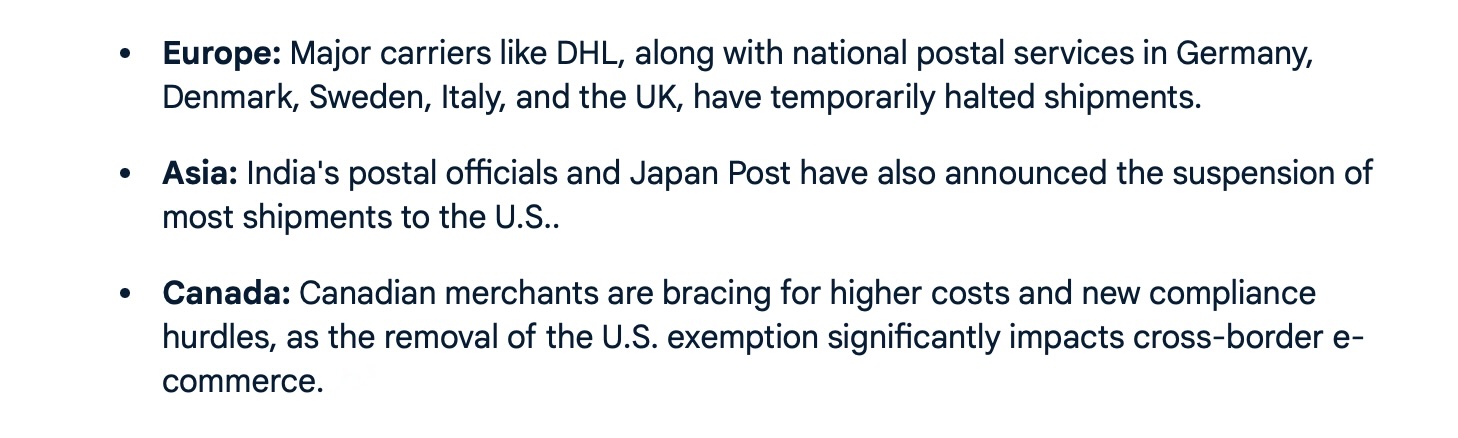
For brands, the near-term work is operational: Shift volume from postal channels to express integrators (often at higher rates), enable Delivered Duty Paid checkout to pre-collect duties, ensure accurate HS classifications and disclosures, and reset delivery promises – fast – to avoid chargebacks and unfair-practice claims tied to missed timelines under the FTC’s Mail Order Rule.
It is also reputational. Brands that have relied on the loophole may fail to deliver on promises, thereby, creating risks tied to eroding customer trust. Delays and unexpected duties do not merely just spark complaints; they can weaken brand equity, push consumers toward competitors, and spark public backlash that can undermine positioning in crowded global markets.
Luxury and fashion labels broadly face added pressure amid an evolving trade landscape, including harmonizing global prices as tariffs erode margins; safeguarding selective-distribution strategies as customers seek grey market alternatives; and/or redesigning returns flows now that reverse-logistics via post is unreliable.
The Bigger Picture: Cross-border retail has shifted from a question of how to create demand to a question of how to navigate compliance. The brands that win will be the ones that treat landed-cost accuracy, customer communications, and carrier diversification as core product features, not afterthoughts.
>> For a dive into what the end of the loophole might mean from an anti-counterfeiting perspective, you can find that right here.
Publicis Chief Commerce Strategy Officer Jason Golberg took on the topic of U.S. retail growth this week …
“If you’re wondering where the growth is coming from in U.S. retail, looking at percentages and growth rates can be misleading. It’s better to think about absolute dollars of growth. In the first 6 months of 2025, brick & mortar stores (except restaurants, auto dealerships, and gas stations) added $66B in sales, e-Commerce added $29B. What’s interesting is the biggest U.S. retailers (Walmart and Amazon) are growing digital much faster than brick and mortar, which means for most of the rest of retail, growth is predominantly in brick and mortar.”

Historically, the EUIPO has been skeptical of 3D trademarks in perfumery and cosmetics, often refusing applications on the basis that consumers do not perceive packaging shapes as indicators of commercial origin. Yet in 2025, the landscape appears to be shifting: 35 different 3D marks in Class 3 for perfumes and cosmetics (one of the marks is pictured below) have already been registered, according to Jérôme Tassi, a partner at Paris-based firm AGIL’IT.
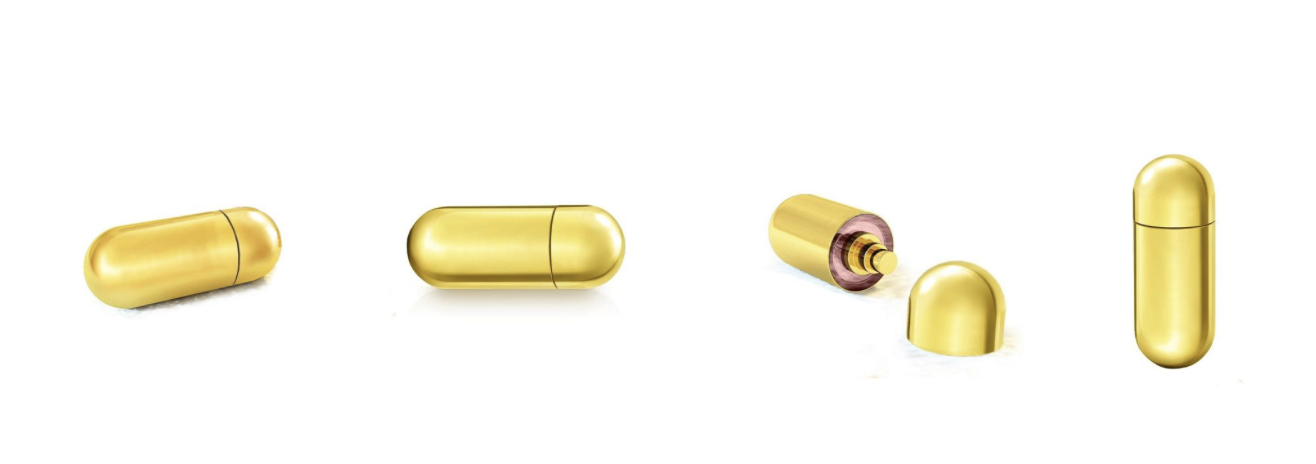
While the legal threshold remains the same – protection is only afforded where the form “differs significantly from the norms and habits of the sector,” the surge in acceptances suggests greater flexibility in practice, and potentially, a broader scope for brand owners to safeguard distinctive packaging and bottle designs.
The debate was crystallized in two recent(ish) EUIPO Board of Appeal cases – R 62/2024-5 and R 006/32024-5 – involving Dutch perfume manufacturer Coscentra B.V. Both applications for 3D bottle shapes (one pictured below) were initially refused under Article 7(1)(b) EUTMR, with the Examiner reasoning that the designs were too conventional and did not “differ significantly from the standards and customs” of the perfume sector. The examiner also noted that consumers are generally not in the habit of relying solely on bottle shapes to identify origin.
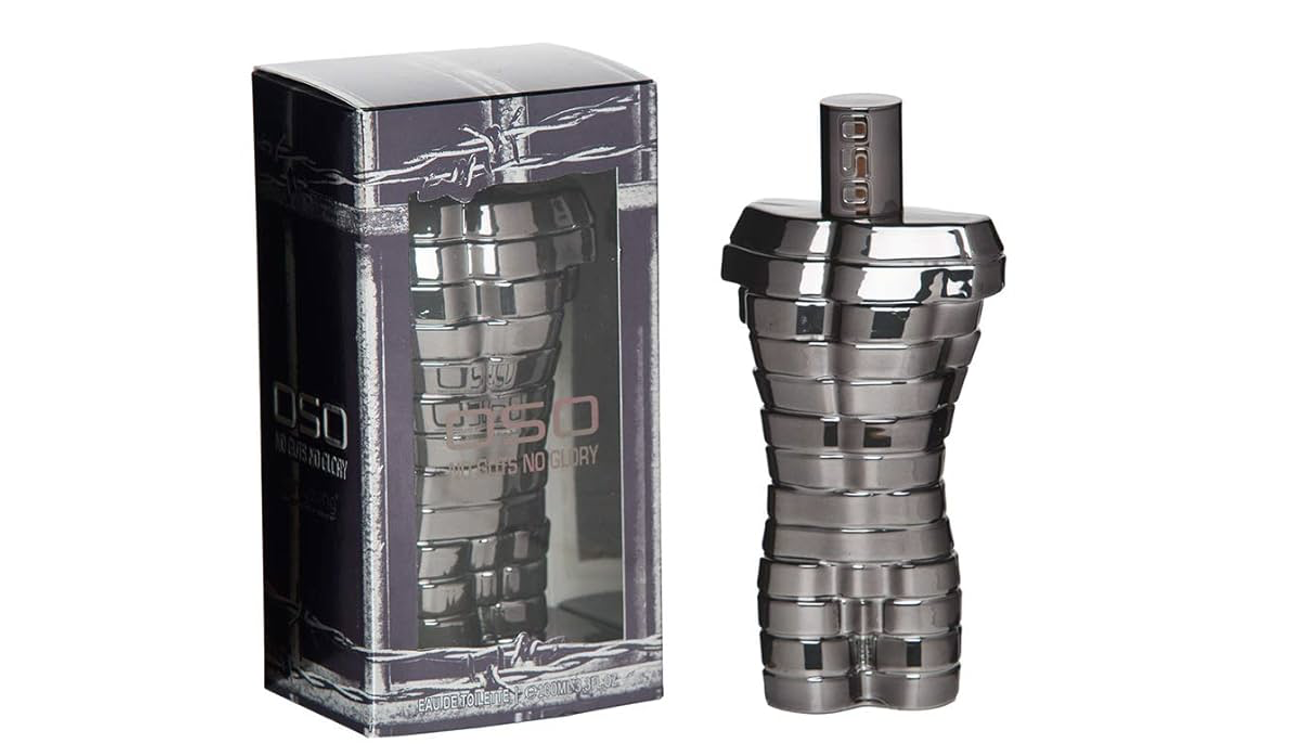
Coscentra countered with evidence of prior registrations, sales history, and recognition in the market. On appeal, the Board sided with the applicant, holding that the bottles were distinctive:
> “the use of horizontal discs of the same width which are aligned, has specific characteristics which make the bottle distinctive and unusual.”
> “the mark applied for cannot be regarded as simple or banal.”
> “the mark applied for… has both special and original characteristics and also enables the public to distinguish perfumes from those of third parties.”
The decisions annulled the refusals, allowing the marks to proceed to registration. Importantly, the Board emphasized that perfume bottles play an essential role as brand identifiers in this market – a recognition that may open the door to more successful 3D filings, provided the shapes depart meaningfully from sector norms.
For brand owners, the lesson is clear: Eye-catching, unusual designs stand a better chance of registration, while arguments about acquired distinctiveness or market context can help overcome objections.
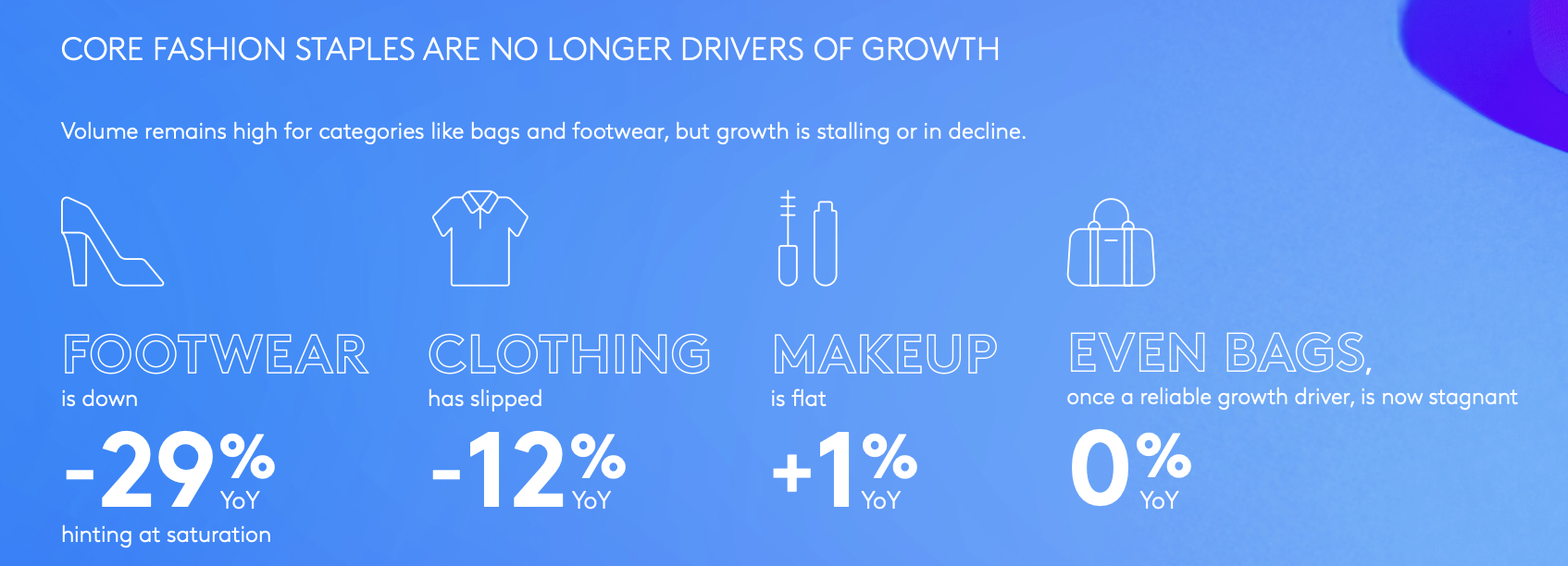
Kantar released a new BrandDigital report this week, built on 8.5 billion+ searches across 30 global luxury brands over four years in the U.S. This report offers a lens into the signals shaping the U.S. luxury market today, showing how digital curiosity translates into cultural momentum and commercial outcomes. It reveals that consumers are moving away from traditional status symbols like handbags and apparel, and toward vintage, resale, fragrance, and culturally resonant collaborations.
As Kantar points out: Consumer desire is being redefined not by timeless exclusivity, alone, but by authenticity, emotional fit, and access points that feel personal rather than prescriptive.
Among some of the report’s key points …
> The slowdown is real: 73% of brands tracked saw a year-on-year decline in search interest, echoing a 1% contraction in global luxury spend in 2024 – the first in 15 years.
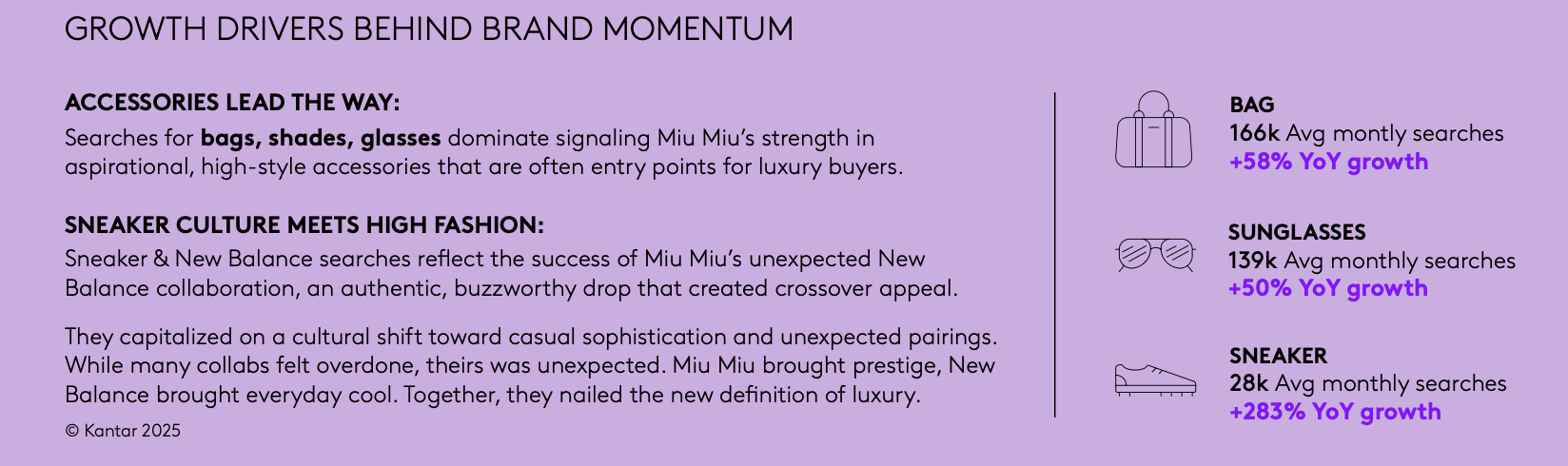
> Power remains concentrated: Four brands – Louis Vuitton, Chanel, Gucci, and Dior – account for nearly half of all luxury searches, while smaller players like Miu Miu, Brunello Cucinelli, and Missoni are gaining unexpected momentum.
> U.S. standouts face headwinds: Tory Burch leads U.S. brand searches with 4.6M average monthly queries, but interest dropped -30% YoY, showing visibility alone is no longer enough.
> Secondhand is mainstreaming: Vintage searches are up +31% YoY, with resale and rental increasingly driving consumer interest, reframing luxury around experience and authenticity rather than just ownership.
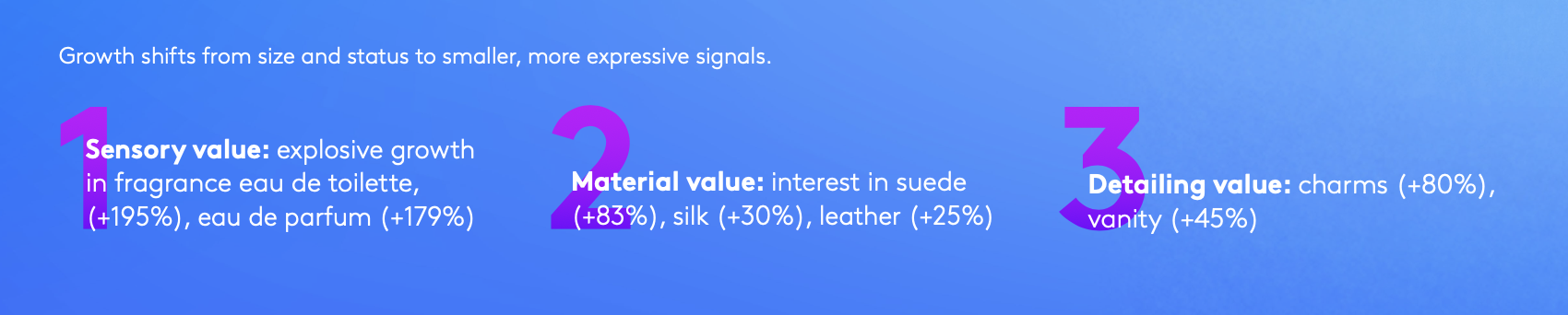
> Category shifts: Traditional growth engines like clothing, footwear, and bags are stagnating, while fragrance, materials (suede, silk, leather), and detailing (charms, vanity) are seeing sharp spikes.
> Collaborations must resonate: Distinctive partnerships (e.g., Miu Miu x New Balance, D&G x Skims, LVMH x Murakami) drove massive search spikes, underscoring the need for cultural relevance over mere commercial impulse.
The Takeaway: Kantar’s analysis makes clear that luxury is in flux. Legacy dominance still matters, but consumer desire is fragmenting, with secondhand, cultural collaborations, and sensory-driven products increasingly setting the tone. Brands that adapt to shifting signals – moving at the speed of culture, reframing value, and acting early – will be the ones that remain truly desirable in the next era of luxury.