

It is a common misconception – among fashion industry insiders and observers alike – that individuals are automatically entitled to use their personal names in a commercial capacity simply because the name belongs to them. That assumption is not necessarily correct. Nor does the use of one’s own name automatically confer trademark rights or the ability to prevent others from using similar names in commerce.
At the same time, launching an eponymous brand is widely seen as a natural – and often appealing – move for designers. After all, some of the most successful fashion brands in the world bear the names of their founders. Gucci derives its name from founder Guccio Gucci. Louis Vuitton shares its name with the trunk maker who established the house in 1854. The same holds true for labels built around designers, such as Gianni Versace, Giorgio Armani, Marc Jacobs, Roberto Cavalli, Yves Saint Laurent, Christian Dior, Calvin Klein, Ralph Lauren, and Alexander McQueen, among many others.
The Appeal – and Pitfalls – of Eponymous Branding
Given the enduring success of these brands, it is not difficult to understand why emerging designers often assume that using their own name is the most logical choice. In practice, however, eponymous branding can create legal complications – and in some cases serve as a cautionary tale rather than a roadmap for success.
One of the most immediate barriers designers face when attempting to launch a brand using their personal name is that the name may already be in use. If another party is using the same – or a confusingly similar – name in connection with related goods or services, trademark law may prevent a newcomer from using that name commercially. In the United States, trademark rights generally accrue to the party that first uses a mark in commerce, rather than to the individual whose name it happens to be.
This principle has played out in a number of disputes. In the case between Chanel and an Indiana-based small business known as Chanel’s Salon, for example, the Paris-based fashion house successfully challenged the salon owner’s use of the name “Chanel” in connection with her services. While individuals remain free to use their names in everyday, non-commercial contexts, trademark law can limit the commercial use of a personal name when it risks creating consumer confusion.
Other disputes have emerged across the fashion industry. One example involves the clash between New York-based menswear label Thaddeus O’Neil and surfwear company O’Neill, which opposed the registration of the THADDEUS O’NEIL mark before the U.S. Patent and Trademark Office’s Trademark Trial and Appeal Board on the grounds that it was likely to cause confusion with its existing trademarks.
Selling the Brand – and the Name
Another key consideration arises when designers sell their companies. In many acquisitions, the intellectual property associated with the brand – including trademark rights in the founder’s name – transfers to the buyer. As a result, founders may later find themselves unable to use their own names in connection with future ventures.
One of the most widely cited examples is the case of Joseph Abboud. After launching his label in 1987, Abboud sold the brand and associated intellectual property rights to JA Apparel in 2000 for $65.5 million. The deal included sweeping restrictions preventing him from using variations of his name in connection with clothing or related products. Years later, when Abboud attempted to promote a new clothing line referencing his name, a federal court barred him from doing so, citing the terms of the sale agreement.
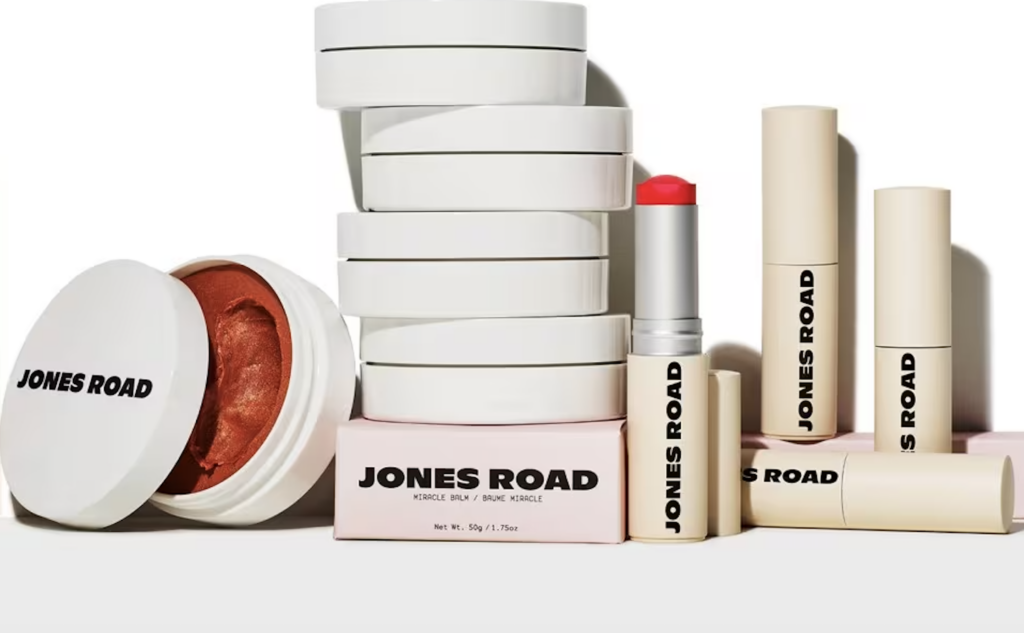
More recently, the experience of makeup artist and entrepreneur Bobbi Brown has offered a similar illustration of the legal realities surrounding eponymous brands. After selling her namesake beauty label to The Estée Lauder Companies in the 1990s, Brown relinquished trademark rights to the “Bobbi Brown” name in connection with cosmetics and related products. When she returned to the beauty industry years later with a new venture, she did so under a different brand name – Jones Road Beauty – rather than her own, reflecting the contractual and trademark constraints that often accompany the sale of founder-led brands.
THE TAKEAWAY: Taken together, these examples highlight the legal complexities that can accompany the use of personal names in fashion and beauty branding. While eponymous labels can offer strong identity and storytelling potential, they also come with significant legal considerations – particularly when it comes to trademark rights, market conflicts, and the long-term implications of selling a brand.
For designers weighing whether to build a brand around their own name, the lesson is clear: what may seem like the most natural branding decision can also carry meaningful legal consequences.
Share