


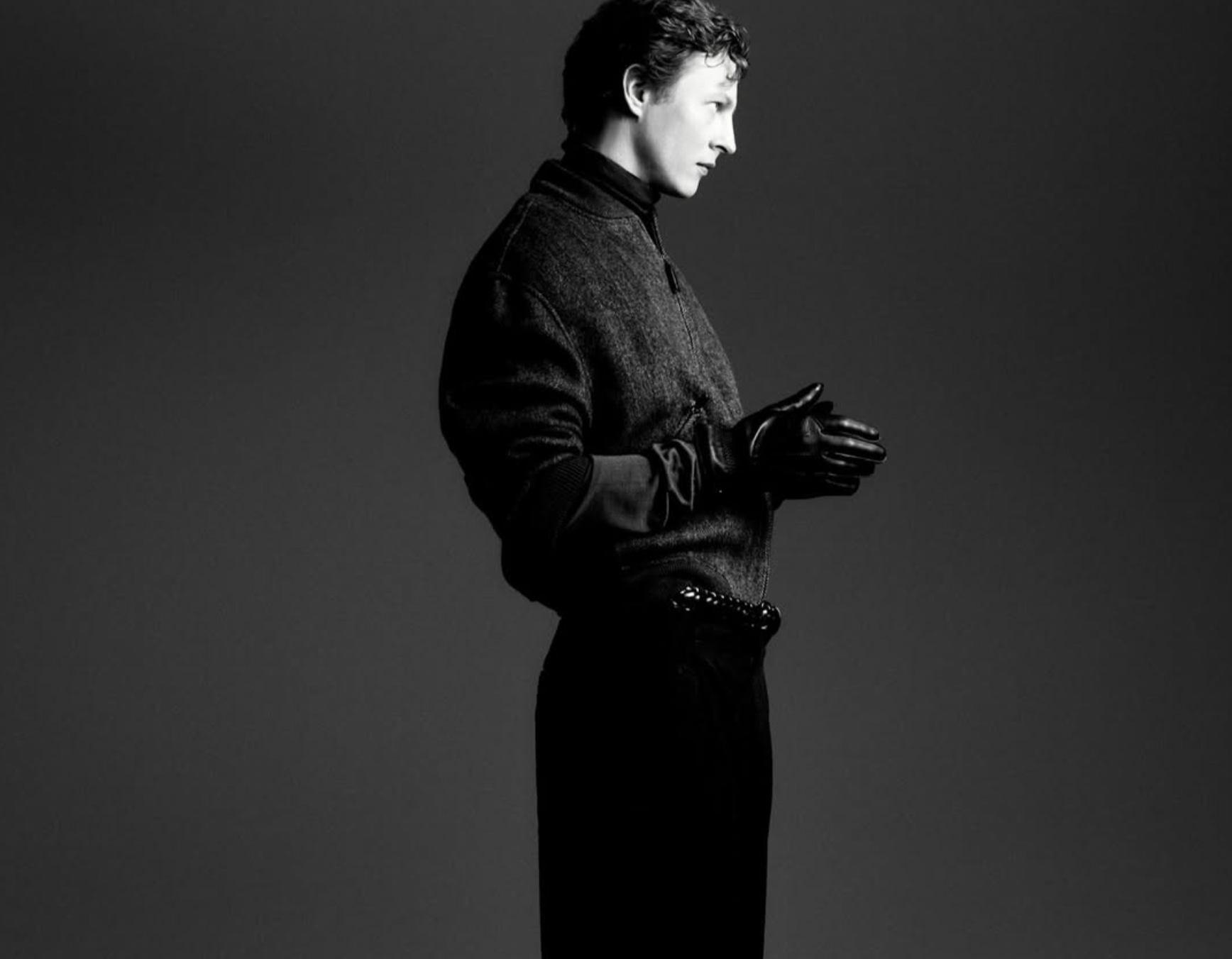
As fashion industry insiders gather in Milan on Monday for Giorgio Armani’s first menswear show since its eponymous founder’s death in September 2025, critical questions loom about the future of the company. Hanging over the debut of Mr. Armani’s long-time partner Leo Dell’Orco – who gave his first interview, published this weekend by Italian outlet Corriere della Sera – is a key issue that remains unresolved: What should come next for the business Giorgio Armani spent five decades building – sell stakes now or position the company for an IPO?
The question of strategy and timing is pressing, as in the months before his death at age 91, Mr. Armani crafted a detailed and binding roadmap for the company’s next phase. Mr. Armani’s will – which was published by Italian media outlets in September and reviewed by TFL’s team of lawyers and legal analysts – mandates that the independently owned Giorgio Armani Group bring in outside shareholders.
The Architecture of Armani’s Exit
The structure of Mr. Armani’s plan is precise. Within 18 months of his death, the company must sell a 15 percent stake, with a second transaction – ranging from 30 percent to as much as 54.9 percent – to follow within three to five years. The will – the most recent version of which was drafted in April 2025, just months before his death – names three French groups listed on the Paris Stock Exchange as preferred buyers. Alternatively, the company must list on a major stock exchange.
The mandate sits uneasily alongside Giorgio Armani’s public legacy. As a designer, he built an empire on clean lines and quiet power, reshaping wardrobes from Hollywood red carpets to corporate boardrooms. As a businessman, he was an equally uncompromising advocate of independence. “I have always believed that economic independence was the fundamental principle to work in full freedom,” he said in 2018, adding that whenever approached about a sale, “the answer is always the same.”
He was even more explicit in 2021, when he dismissed the idea of a French buyer outright, distancing the brand from groups such as LVMH and Kering. That stance was formalized in 2016 with the creation of the Giorgio Armani Foundation, a governance structure designed to shield the company from foreign acquisition or internal fragmentation and to preserve its autonomy beyond the founder’s lifetime.
As speculation intensified in his final years, Mr. Armani doubled down. “Never with the French,” he said in 2023. “Why should I be dominated by one of these megastructures?” The statement left little room for interpretation.
Equally as puzzling is how the terms of the will outline a sale structure that stops short of ceding outright control but still invites external influence into the company’s inner workings. A minority stake of this size would give a buyer influence without authority, which could create a strategic limbo: enough involvement to carry risk, but not enough to drive direction. That ambiguity may deter investors or depress valuation, as potential buyers weigh the limits of their role.
The Most Telling Language
The company’s newly appointed board is formally responsible for overseeing the company’s strategic transition (and possibly reversing the media-reported downward revenue trend of the last 2 years). However, the will quietly shapes the incentives for Mr. Armani’s heirs, who appear to be participating in the succession plan.
The most telling language – as first reported by TFL – grants heirs Leo Dell’Orco, Silvana Armani, and Andrea Camerana voting power and a share of the company’s income, but not true ownership or the ability to sell. These “usufruct” rights are intentionally temporary: they expire upon a sale, an IPO, the heir’s death, or after ten years.
And though a transaction would terminate these privileges, it is only through a sale or listing that the heirs stand to gain from a monetary standpoint. Armani’s heirs are only entitled to benefit from the company’s value – through cash proceeds – if the Foundation executes the designated 15 and 30 percent share sales or proceeds with a public listing. If no transaction occurs, the rights expire and the heirs receive nothing, giving them a clear incentive to support the succession plan and the company’s move toward external ownership.
The Strategy Behind the Next Steps
What the will does not resolve is timing – which is now the most contentious issue facing the company and the family behind it. Selling the initial 15 percent stake within the 18-month timeframe set out by Mr. Armani would mean doing so at a moment when the Armani Group is not at its strongest and when the broader luxury sector is under pressure. Slowing demand, uneven recovery across key markets, and renewed investor caution have weighed on valuations. A minority sale under these conditions risks locking in a discounted price and establishing a valuation benchmark that could be difficult to escape.
For now, it remains unclear which route the board and the family will take, leaving potential investors to weigh a near-term minority sale against the longer-term prospect of an IPO.
The runway in Milan marks the end of an era, but what is clear is that the path ahead will be defined just as much by changes in financial structure, market dynamics, and legacy management, as it will by creative vision.
Share