



For decades, Tiffany & Co. has been synonymous with fine jewelry, robin’s egg blue boxes, and its sweeping Fifth Avenue flagship. But a recently-filed trademark proceeding shows how the LVMH-owned luxury brand views the reach of its reputation. In an opposition that it lodged with the Trademark Trial and Appeal Board (“TTAB”) late last year, Tiffany & Co. is looking to shut down the registration of a similar mark for use on coffee products, arguing that the TIFFANY’S COFFEE name and blue-hued packaging could confuse consumers when used in connection with coffee and coffee-related goods.
In December 2025, Tiffany (NJ) LLC lodged an opposition to block Tampa, Florida-based coffee company Brewer’s Best Buddy LLC’s application to register the mark “TIFFANY’S COFFEE” for coffee and coffee-related goods, including capsules and substitutes. The basis for Tiffany & Co.’s opposition: Likelihood of confusion and dilution by blurring and tarnishment. Despite the distance between coffee and Tiffany’s core offerings, the opposition underscores the company’s efforts to safeguard the exclusivity of its famous mark.
Defining & Policing the Scope of the TIFFANY Name
Setting the stage in its opposition, Tiffany & Co. emphasizes its longstanding priority in the TIFFANY name, noting that it has used the mark in commerce for more than a century across a wide range of goods and services. The company points to dozens of federal trademark registrations, many dating back to the early 1900s, covering not only jewelry but also tableware, glassware, bar accessories, and retail services – categories that it says make the leap to coffee-related goods neither unexpected nor remote.
Against that background, it argues that registration of the “TIFFANY’S COFFEE” mark would give rise to a likelihood of consumer confusion, pointing to the incorporation of the TIFFANY name in its entirety and the related nature of the applied-for goods and services, which it says could lead consumers to mistakenly believe that the coffee products are affiliated with, sponsored by, or otherwise connected to the luxury brand.
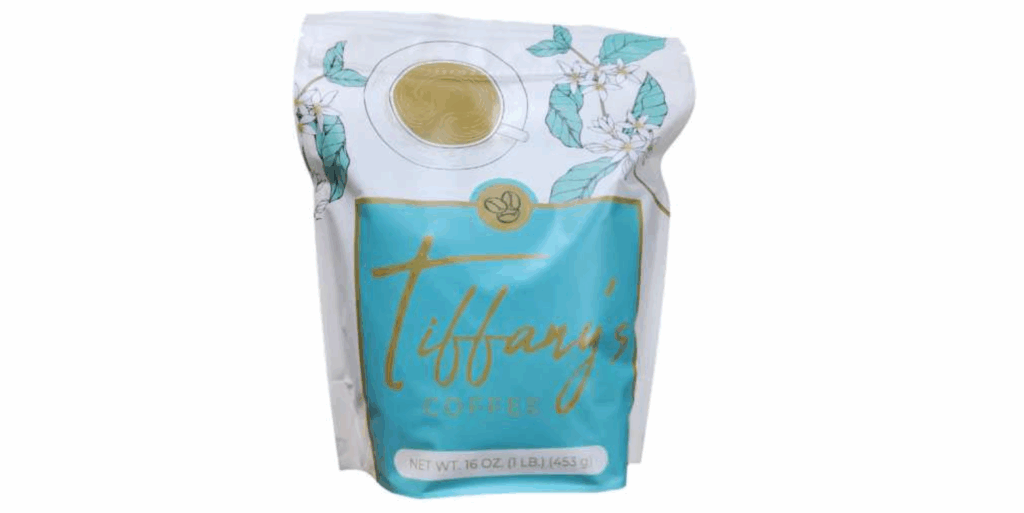
Beyond confusion, Tiffany & Co. leans heavily on the well-known nature of its house mark, repeatedly emphasizing that “TIFFANY” has been deemed a famous mark by courts, cited as such in congressional legislative history, and long treated by commentators as a paradigmatic example of a dilution-worthy brand. That fame, the company argues, extends protection beyond confusion, allowing it to block later uses that dilute the distinctiveness of its mark. On that basis, Tiffany maintains that “TIFFANY’S COFFEE” would impair the distinctiveness of the TIFFANY mark by associating it with everyday consumer goods far removed from the brand’s luxury positioning. This issue is exacerbated by Brewer’s Best Buddy’s use of a robin’s egg blue hue on its packaging, which Tiffany characterizes as an attempt to trade on its brand equity.
What is notable about this opposition is not that Tiffany is enforcing its trademark rights; oppositions are a relatively routine aspect of companies’ brand enforcement activities. Instead, the stand-out aspect is how far afield it is willing to go. While the company does operate cafés in connection with its flagship retail experiences, the opposition does not hinge solely on overlapping services. Instead, Tiffany points to the breadth and longevity of its trademark portfolio to argue that consumers could reasonably expect the brand to extend into adjacent lifestyle categories, including food and beverage offerings.
By doing so, Tiffany reinforces a long-standing strategy among luxury brands: maintain a broad perimeter of protection around the brand name itself, not just around the goods that generate the bulk of revenue.
THE BOTTOM LINE: At its core, the dispute highlights how aggressively heritage luxury brands continue to police the use of their names – even in categories that might once have been dismissed as too far removed to matter. For Tiffany, the fight over coffee is less about caffeine and more about ensuring that the TIFFANY name remains singular, controlled, and unmistakably tied to the brand’s carefully cultivated image.
Share