

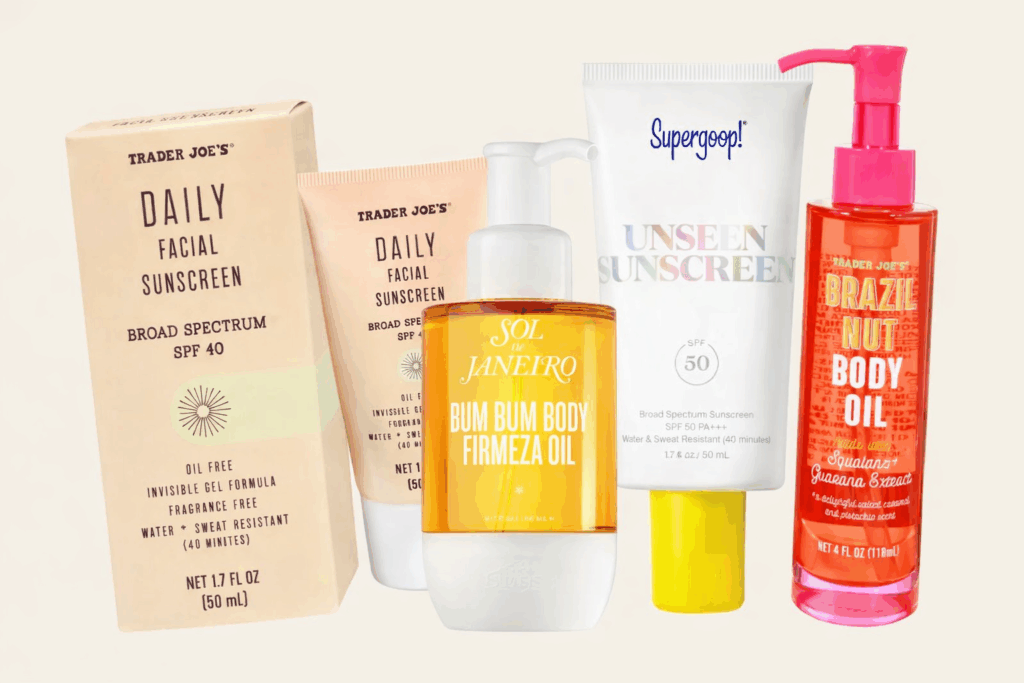
Trader Joe’s is currently enjoying a wave of attention for its beauty and cosmetics offerings, many of which are being touted as dupes of other companies’ heavily-sought-after products. That momentum has fueled social media buzz and consumer goodwill, but if a recent lawsuit lodged against Trader Joe’s over a “dupe” food product is any indication, the retailer’s private-label strategy is not without potential legal consequences.
The underlying lawsuit – filed in federal court in Ohio in October 2025 – pits Trader Joe’s against the J.M. Smucker Company over Trader Joe’s crustless peanut butter and strawberry jam sandwiches. In its complaint, Smucker alleges that the product copies the legally-protected look and feel of its Uncrustables line, including the round, crustless shape, crimped edges, and product packaging that Smucker claims consumers closely associate with its brand.
Smucker says that it has invested more than $1 billion over the past two decades to build Uncrustables into a nationally recognized product, and Trader Joe’s designed its competing product to capitalize on that recognition. Part of the problem, according to Smucker, is that Trader Joe’s is “willfully exacerbat[ing]” the likelihood that consumers are confused about the source/nature of its “copycat” uncrustable product by only using the Trader Joe’s name in small print on the outside of its product carton and omitting the Trader Joe’s name entirely from the individual product wrappers.
Against that backdrop, and citing alleged instances of actual consumer confusion, Smucker asserts claims of trademark infringement, unfair competition, false designation of origin, trademark dilution, and deceptive trade practices. Trader Joe’s has since responded to the complaint with a motion in January, in which it seeks dismissal of Smucker’s dilution claim and/or a transfer of the case to a different venue.
Dupes, Trade Dress & Legal Exposure
From a merchandising perspective, dupes allow retailers to capitalize on viral trends without entering into formal brand partnerships or bearing the costs and constraints that often accompany them, while retaining control over pricing, margins, and supply chains. For consumers, particularly younger shoppers active on TikTok and Instagram, lookalike products offer access to trending aesthetics at more accessible price points.
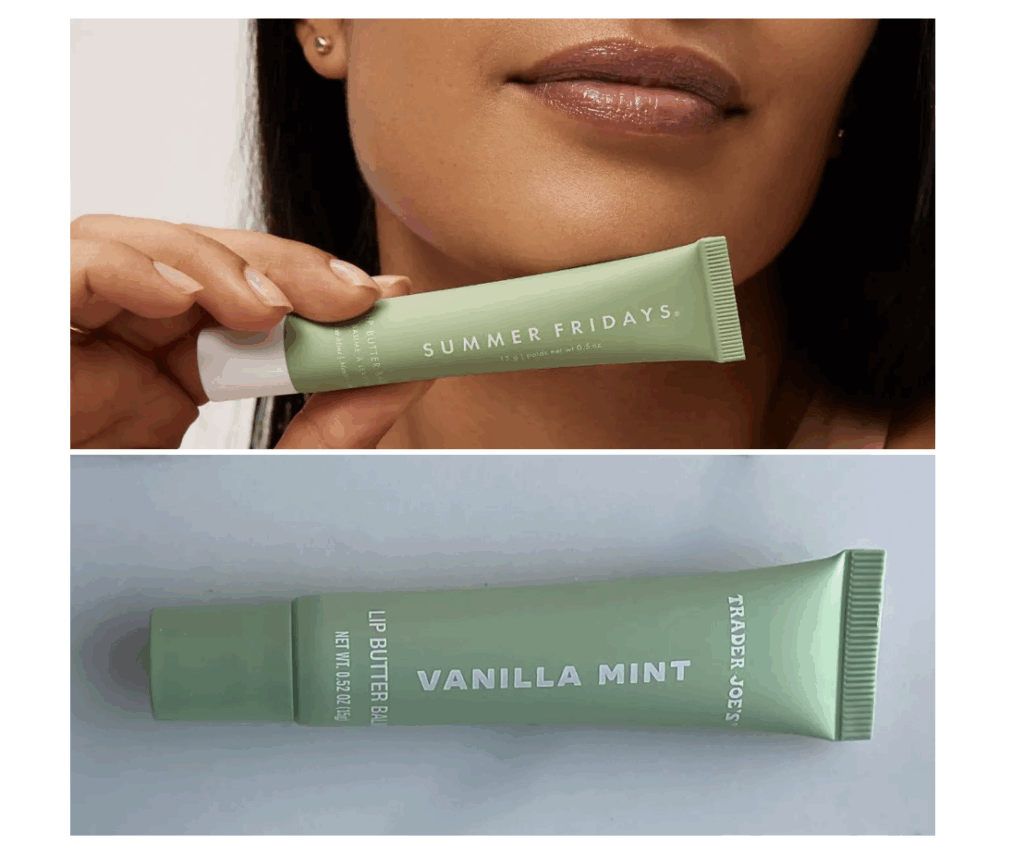
From a legal perspective, however, the strategy carries risk. The dispute between Smucker and Trader Joe’s focuses on a single food product, but it raises broader questions about the boundaries of dupe-driven strategies. Trader Joe’s has long distinguished itself through a highly curated private-label model that has expanded beyond food into categories such as beauty and cosmetics and is supported by a customer base that actively tracks, reviews, and amplifies new product launches online.
As that model increasingly relies on products that evoke familiar brands without naming them outright, similarities that were once implicit have become more visible through consumer- and influencer-driven comparisons, with social media users frequently pointing to perceived dupes of brands, such as Sol de Janeiro, Supergoop, Summer Fridays, Glow Recipe, Ouai, and Laneige.
Trademark law can extend protection beyond brand names and logos to encompass a product’s overall look and feel, provided that the trade dress has acquired distinctiveness and is non-functional. Claims for trademark dilution, on the other hand, are reserved for marks that are widely recognized by the general consuming public, a demanding standard that defendants frequently challenge at the pleading stage.
THE BOTTOM LINE: Whether the court ultimately dismisses Smucker’s dilution claim or transfers the lawsuit remains to be seen. Either way, brands in the food industry and beyond are undoubtedly watching the Uncrustables case closely, as it not only shows that dupe strategies can be commercially effective, but also demonstrates the legal risks at play.
Share