



Today’s read: 5 minutes
April 24, 2026: Copyright limits, founder identity, platform liability, pricing control, and resale competition took center stage this week, with pressure points emerging around design ownership, influencer marketing, and control over resale and pricing.
As founder-led brands continue to scale and sell, a shift is becoming clear: the rise of the “arm’s-length” brand. Instead of embedding a founder’s name directly into a venture’s name, companies are increasingly building brands that remain closely associated with key individuals but legally distinct from them. That distinction matters when ownership changes, as while trademark rights can be transferred; personal identity cannot.
The consequences of failing to separate the two have played out repeatedly – from disputes involving Karen Millen and Joseph Abboud to more recent conflicts over how founders like Jo Malone can use their own names post-sale.
>> In practice: A shift away from eponymous branding is playing out in the fashion and beauty segments – and beyond. Separating identity from the most critical brand assets reduces friction come exit time, limits key-person risk and preserves flexibility for founders operating across multiple ventures.
Two cases this week bring the boundaries of design copying into focus from opposite ends of the spectrum …
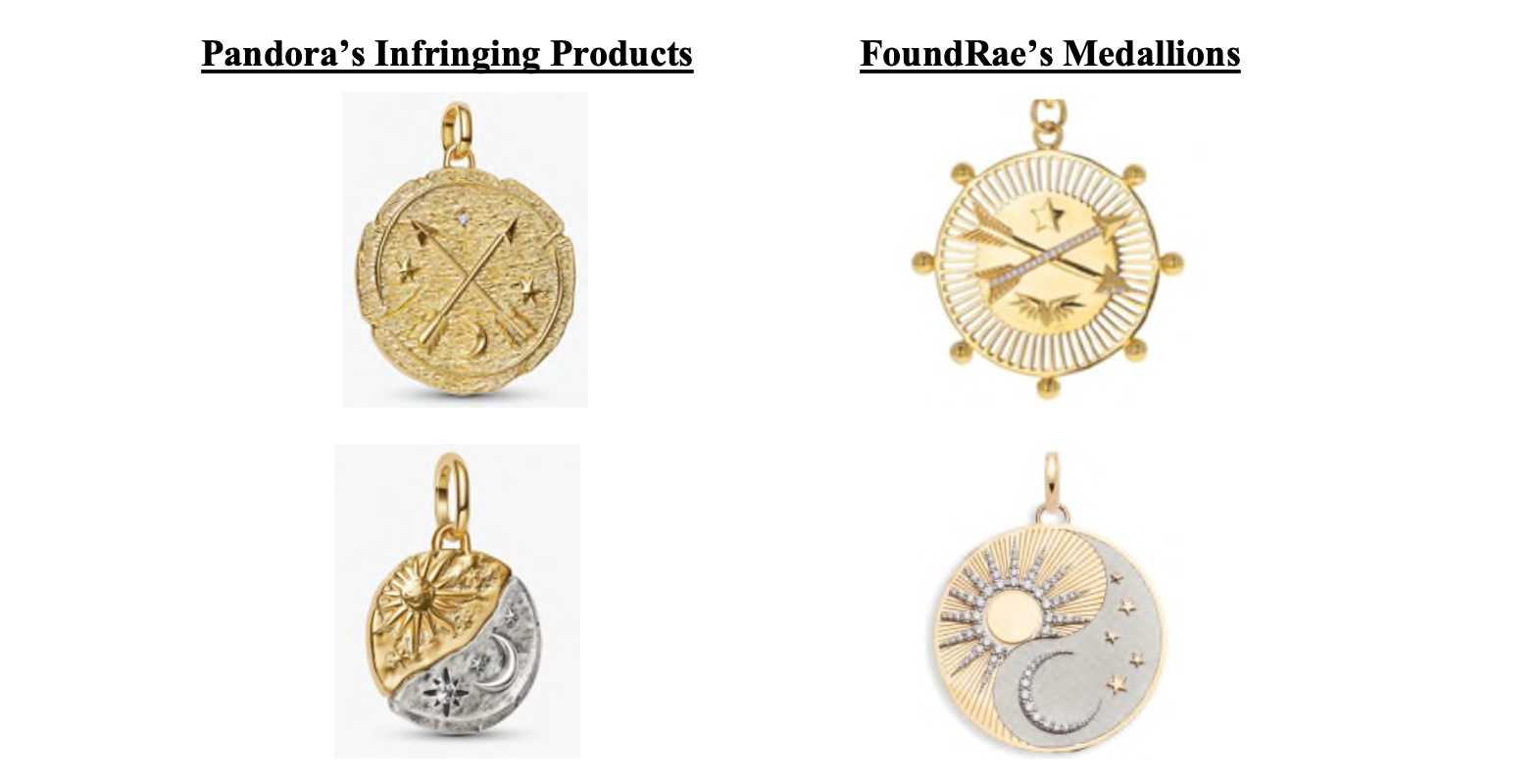
> In the U.S., Pandora is moving to dismiss Foundrae’s copyright lawsuit, arguing that the designs at issue rely on unprotectable, commonly used symbols like suns, moons, and crossed arrows. Rather than focusing on similarity, Pandora is framing the dispute around what copyright protects at all, contending that once public domain elements are filtered out, any protection is “thin” and requires near-identical copying.
> A criminal case in South Korea is bringing the limits of design imitation to the fore, with authorities arresting the former CEO of Blue Elephant earlier this year over allegations that the company created near-identical copies of Gentle Monster eyewear, store designs, and accessories. The case relies on a Korean statute that allows enforcement against the imitation of unregistered product designs – and notably, provides for criminal penalties.
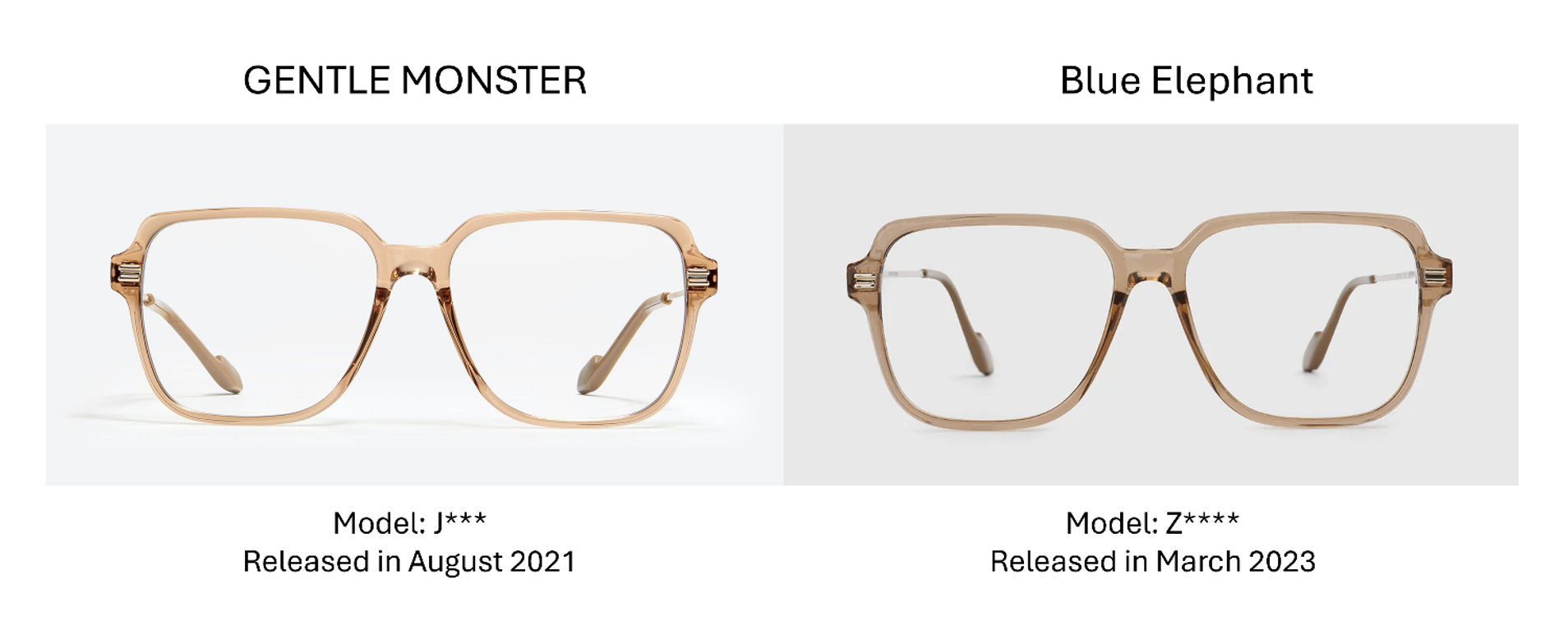
>> The takeaway: Taken together, the cases outline the outer limits of dupe culture. Designs built on widely used symbols may be difficult to protect at all, while near-exact copying – even of unregistered designs – may trigger liability that extends beyond civil claims.
Quince is facing a lawsuit from major record labels alleging widespread copyright infringement tied to its social media strategy. The case does not stop at Quince’s own posts. Instead, it targets influencer-driven content, with the plaintiffs arguing that the “luxe for less” retail success story directed, reviewed, and promoted videos that incorporated unlicensed music – including through practices like encouraging the use of trending audio and reposting creator content.
The theory of liability comes amid a broader crackdown on influencer marketing. Regulators and courts – in and outside of the U.S. – have begun to scrutinize influencer-driven content in the context of dupe marketing, disclosure obligations, and misleading comparisons, with liability increasingly turning on the role brands play in shaping that content.
>> The takeaway: Whether the issue is copyright, false advertising, or consumer protection, the same underlying question is emerging: when brands help script, direct, or amplify influencer content, they are less likely to be treated as passive beneficiaries and more likely to be seen as responsible actors in that marketing ecosystem.
And speaking of platforms and control, in the latest round of the long-running dispute between Chanel and The RealReal, the resale platform is seeking to revive its antitrust counterclaims, which cast Chanel’s enforcement efforts as part of a broader campaign to crackdown on the resale market.
After the court dismissed its initial counterclaims, The RealReal has moved to amend, adding allegations that extend beyond trademarks and authentication. Its theory centers on how Chanel allegedly influences multiple layers of the resale ecosystem – from access to advertising to retail relationships, supply constraints, and consumer messaging.
The amended claims point to a range of conduct: efforts to limit advertising opportunities, restrict access to retail and consignors, shape supply by discouraging resale at the source, and reinforce consumer perceptions that resale goods are likely counterfeit. The RealReal frames these actions collectively, arguing that they operate to reduce resale supply, steer demand back to primary channels, and maintain higher prices.
>> In practice: The case could test how far brands can go in shaping resale markets without directly controlling them.
California’s antitrust case against Amazon gained traction this week with newly unsealed evidence detailing how the company allegedly used vendors to influence pricing across competing retailers. According to the recently-released filings, Amazon flagged lower prices on rival sites, prompting brands like Levi’s to push those retailers to raise prices or remove listings. The result, the state argues, is a system where lower prices do not persist, and competition is effectively suppressed across channels.
>> The takeaway: The case reframes price competition as a system-level issue. The question is not just how Amazon prices goods on its platform, but whether it can use its position to shape pricing across the broader retail market through vendors.
Across these stories, the common thread is how rights are playing out in practice. In the Foundrae v. Pandora case, the issue is whether copyright can extend to designs built on shared symbols. In influencer marketing, liability is increasingly tied to how content is shaped and controlled across distributed systems. When it comes to Amazon, it’s about whether the tech titan can influence prices not just on its own site, but across other retailers too. And in Chanel v. The RealReal, the focus is shifting to how brands influence resale markets without directly participating in them.
At the same time, enforcement is expanding beyond traditional boundaries, as seen in South Korea’s move toward criminal liability for large-scale design copying. Finally, the shift toward arm’s-length branding reflects a parallel realization: some of the most valuable assets in retail, like identity and reputation, do not map neatly onto legal rights at all.
Taken together, the focus is less on what companies can claim – and more on what those claims actually allow them to control.