

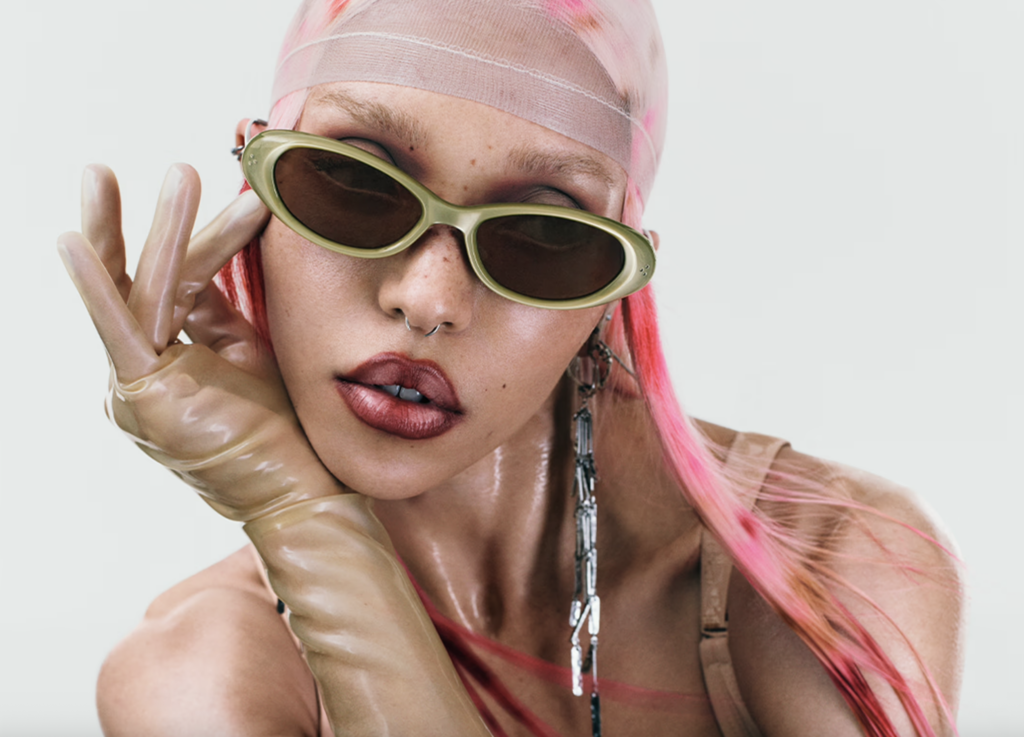
A criminal arrest in South Korea is testing the limits of dupe culture – and the protection of unregistered designs. In a first-of-its-kind move, a Korean court issued an arrest warrant for the former CEO of Blue Elephant on charges stemming from the imitation of unregistered product designs. The case, which is proceeding in both criminal and civil courts, centers on allegations that eyewear brand Blue Elephant copied dozens of designs from cult-followed eyewear brand Gentle Monster.
The dispute highlights a legal gray area that has long defined the fashion industry: when does “inspiration” cross the line into unlawful imitation, particularly in a market where most designs go unregistered?
A Landmark Case for Unregistered Design Protection
At the center of the case are charges brought under South Korea’s Unfair Competition Prevention and Trade Secret Protection Act, which prohibits the commercial use of goods that imitate another party’s product “shape” – including form, image, color, or gloss – within three years of its creation, regardless of whether the design is registered. While the law has existed for years, criminal enforcement has been rare, but that appears to be changing in a way that could expand legal exposure for companies operating in design-driven, fast-moving categories.
Authorities arrested and detained former Blue Elephant CEO Jinwoo Choi in February, citing the scale of the alleged infringement and concerns over evidence destruction. Prosecutors allege that the company’s growth was driven not by independent design, but by systematically replicating other brands’ products.
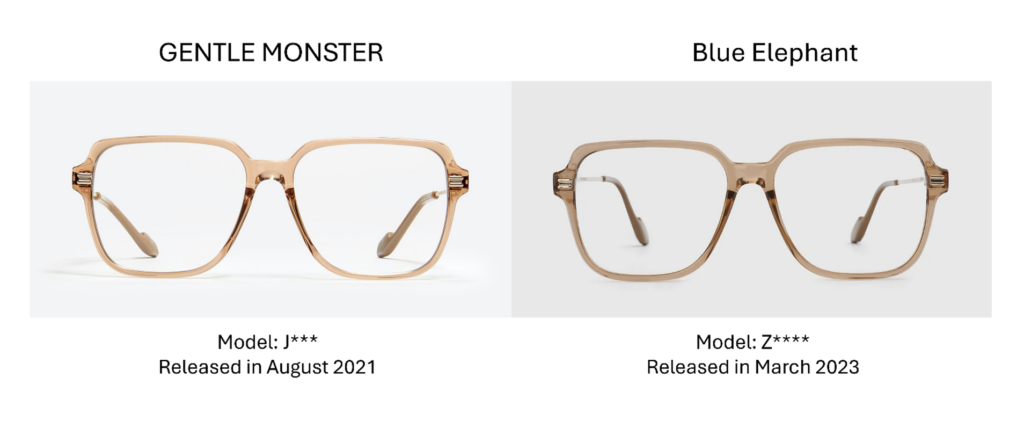
The alleged scheme by Blue Elephant has seen the company create near-exact replicas of more than 50 eyewear models, primarily from Gentle Monster. Forensic analysis using 3D scanning technology found that a significant number of the products matched the originals with over 95 percent accuracy, with some exceeding 99 percent – a level that local investigators characterized as “dead copies.”
And the matter extends beyond individual products, as authorities have pointed to similarities in retail environments and eyewear accessories, suggesting a broader replication of brand identity and trade dress.
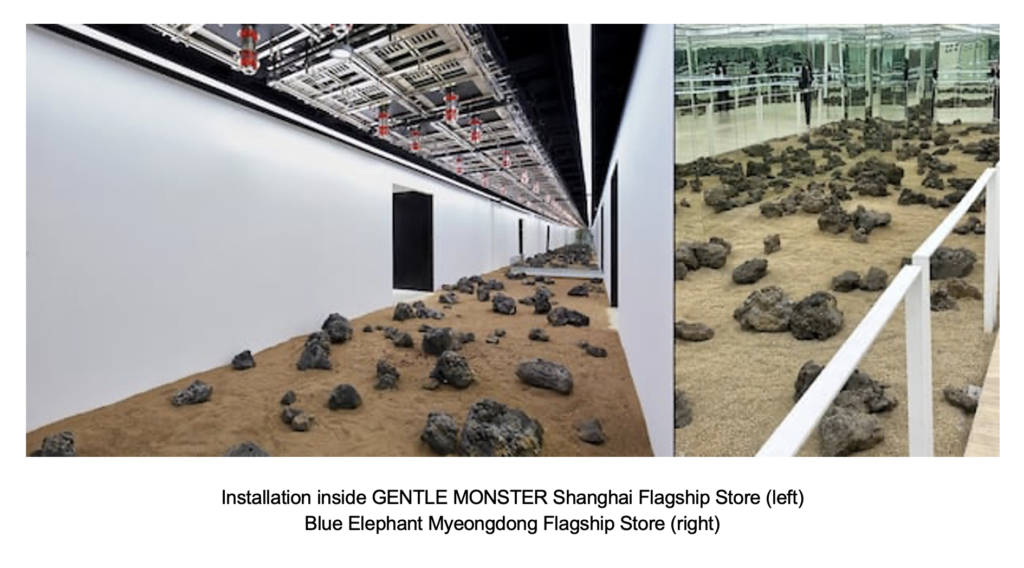
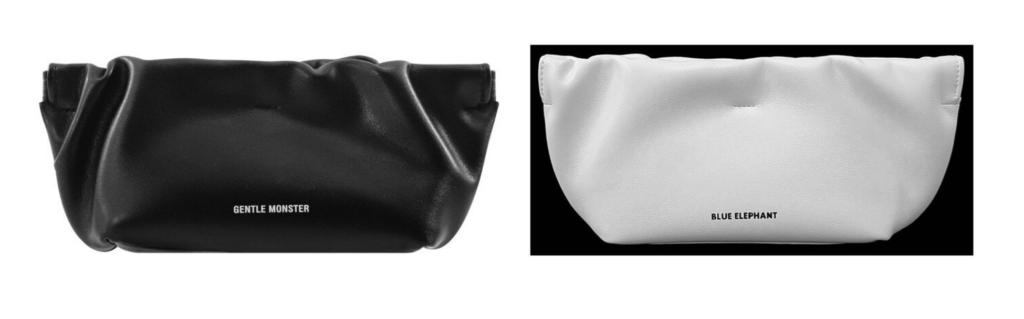
Blue Elephant is being accused of stealing the design of its Myeongdong Flagship store, which opened in 2024, from the spatial concept of GENTLE MONSTER’s Shanghai installation from 2021. At the same time, a pouch design originally introduced by Gentle Monster in 2021 was later registered with the Korean IP Office by Blue Elephant. In response, Gentle Monster’s parent company, IICOMBINED, initiated invalidation proceedings, which are currently pending before Korea’s Intellectual Property Trial and Appeal Board.
“Due to the ergonomic structure of eyewear, similar forms are unavoidable. Referencing prior products is a common industry practice,” Blue Elephant said in a statement. “The Unfair Competition Prevention Act stipulates that the typical forms of goods in the same category are not subject to protection.”
Redefining the Limits of Imitation
The implications of the case stand to extend beyond the parties involved. Fashion has long operated in a space where design borrowing is part of its creative and commercial reality, with rapid product cycles and the impracticality of registering every design making comprehensive protection difficult to amass and enforce.
South Korea’s law offers a distinct approach. While it echoes the U.S. doctrine of trade dress or the European Union’s Unregistered Community Design protection, Article 2, Section 1 of the Korean statute provides a distinct, time-limited criminal remedy for unregistered product shapes. However, this criminal pathway has historically remained more of a theoretical deterrent than a practical tool in the fashion industry.
By pursuing criminal charges against Choi, authorities are treating large-scale design copying not just as a routine infringement case, but as a form of “unfair imitation,” moving beyond the standard civil causes of action – and remedies – commonly pursued in other jurisdictions. The implication is clear: systematic imitation at scale may no longer be confined to civil enforcement proceedings.
A Reckoning for Dupe Culture
For established brands investing heavily in design and retail experience, the case points to a more assertive enforcement environment in one of Asia’s most influential fashion markets. For newer entrants and fast-moving players, especially those that have built businesses around dupe culture, it signals rising legal risk. Strategies that rely on rapid design replication, long tolerated in many markets, may increasingly trigger not just lawsuits, but criminal exposure.
The court’s stance suggests a hardening legal boundary: when a “dupe” becomes a “dead copy,” it may cease to be a byproduct of consumer trends and instead enter the realm of criminal unfair competition. More broadly, the case positions South Korea at the forefront of an emerging enforcement approach to fashion IP. If upheld, it could serve as a model for jurisdictions seeking to address large-scale design copying more aggressively.
Share