

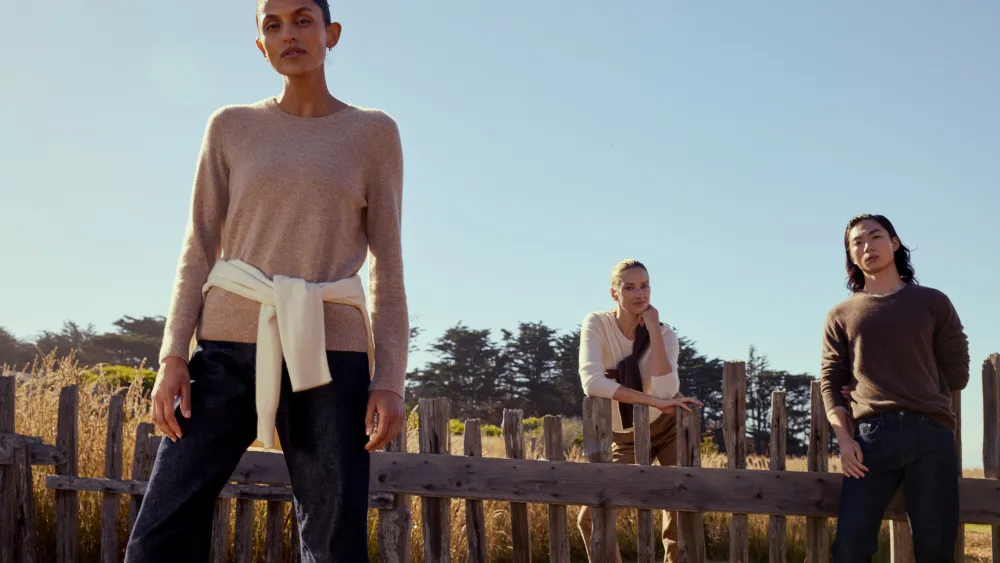
Quince is facing a new lawsuit from a group of major record labels and music publishers, which accuse the company of engaging in “rampant and brazen” copyright infringement by using music without authorization in social media marketing. In particular, the plaintiffs – including UMG Recordings, Capitol Records, and Concord Music Group – argue that not only is Quince using copyright-protected music without authorization on its own social media accounts, it also directed, encouraged, and benefited from similar uses by influencers promoting its products.
A Case Over Music & Influencer Marketing
Setting out their case in a complaint filed in the U.S. District Court for the Northern District of California on April 16, the plaintiffs allege that Quince’s marketing strategy – centered on social media and creator partnerships – has resulted in the unauthorized use of copyrighted sound recordings and musical compositions in promotional videos. At the core of the music companies’ case is their allegation that “Quince and its social media influencers have, without authorization, used many of [their] most valuable musical compositions and sound recordings in marketing and advertising videos for Quince’s products.”
Notably, the music company plaintiffs do not limit their claims to Quince’s own social media activity but instead advance a theory of liability that squarely targets influencer-driven content.
According to the new lawsuit, Quince “has garnered millions of followers on their own social media accounts and have collaborated with hundreds (if not thousands) of influencers and creators who similarly have audiences in the thousands.” The plaintiffs allege that both Quince and its collaborators created and disseminated “hundreds of Infringing Videos” that pair product-focused visuals with copyrighted music, often featuring “the most recognizable portions of musical works, such as the chorus or hook.”
Central to the plaintiffs’ theory is the degree of control Quince allegedly exerts over influencer output. The complaint alleges that Quince was directly involved in “creating, commissioning, reviewing, and selecting creative elements” for social media content and in “directly working with and overseeing social media influencers,” including by providing “advice and direction” through briefs. The plaintiffs further claim that Quince “actively review[ed] influencer-made videos then promot[ed] and/or redistribut[ed]” them via its own channels. In one example, the plaintiffs allege that Quince reposted an influencer’s video but made “one substantive change: replacing the music with one of Plaintiffs’ works.”
Trending Audio & Platform Rules
The complaint also points to Quince’s alleged reliance on “trending audio” to drive engagement. The plaintiffs claim the company encouraged creators to track social media trends and incorporate popular music in order to maximize reach and visibility, a strategy that they claim runs headlong into platform restrictions. The filing cites TikTok’s terms, which state that music is limited to “personal, non-commercial purposes” unless separate permissions and necessary rights are obtained, and Instagram’s music guidelines, which similarly prohibit commercial use absent appropriate licenses. According to the plaintiffs, Quince proceeded despite those limitations and with knowledge of applicable licensing requirements.
The complaint also alleges that Quince continued to post infringing content well after receiving notice, pointing to activity as recently as March 2026, including posts featuring works popularized by Olivia Dean, Justin Bieber, and Zara Larsson.
Against that backdrop, the plaintiffs set out claims for direct, contributory, and vicarious copyright infringement – each aimed, in part, at capturing Quince’s role in influencer-created content, and are seeking damages, including statutory damages for willful infringement, along with injunctive relief to bar further unauthorized uses of their copyright-protected music.
THE BOTTOM LINE: While disputes over the use of music in social media marketing are not new, the case puts a spotlight on influencer-driven content, and whether a brand can be held liable where it is alleged to direct, compensate, and promote that activity.
The case is UMG Recordings, Inc. et al. v. Last Brand, Inc. d/b/a Quince, 3:26-cv-03244 (N.D. Cal.).
Share