

In a decision with implications for the beauty industry’s robust dupe-driven segment, a federal court in New York ruled that Sol de Janeiro’s Brazilian Bum Bum Cream packaging is functional, granting summary judgment to Apollo Healthcare and dismissing Sol de Janeiro’s trade dress infringement counterclaim. The court’s finding sheds light on a familiar principle in U.S. trademark law: product features that serve useful purposes are not protectable as trade dress.
The Background in Brief: In 2022, Apollo began offering its NUTRIUS® Brazilian Body Butter Cream, which it developed at Costco’s request as a “dupe” intended to “capture the entire sensorial” experience of Bum Bum Cream and use “the exact same jar,” prompting Sol de Janeiro to threaten suit over alleged trade dress infringement. Apollo Health and Beauty Care responded with a declaratory judgment action in September 2022 seeking a ruling that the claimed packaging trade dress is “functional, unprotectable, and unenforceable,” and Sol de Janeiro followed by asserting trade dress and trademark infringement counterclaims against Apollo and Costco.
Functionality Under the Microscope
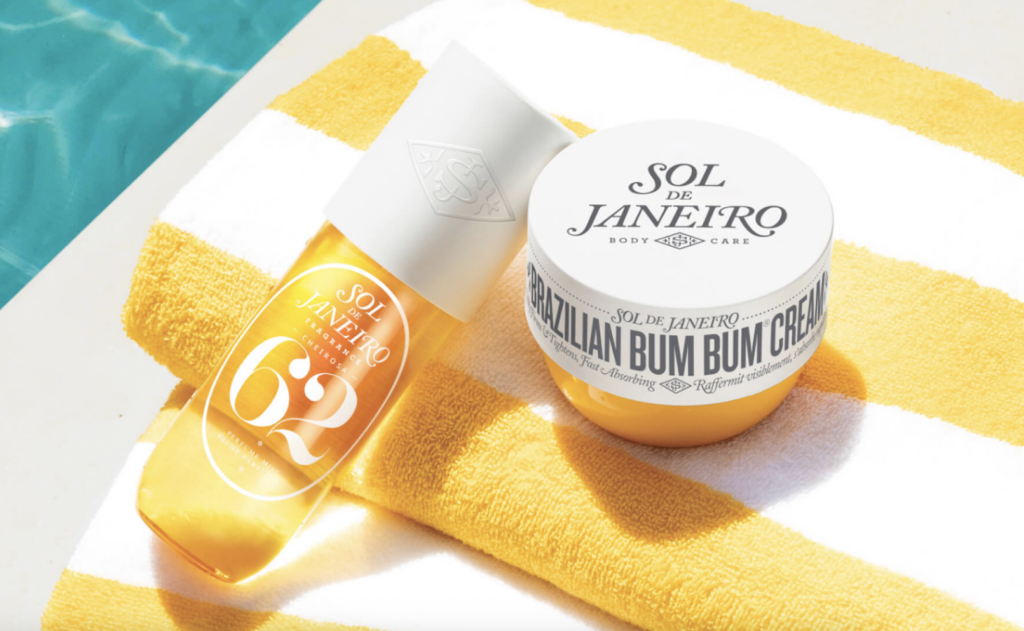
At the center of the rival cases is Sol de Janeiro’s Brazilian Bum Bum Cream jar trade dress, which it defines as a container “gently rounded at its bottom,” paired with “a large, overhanging lid that extends nearly half the height of the product and protrudes outward,” along with a yellow-and-white color scheme and capitalized gray lettering. Because Sol de Janeiro asserted rights in unregistered trade dress, it bore the burden of proving that the claimed trade dress is not functional.
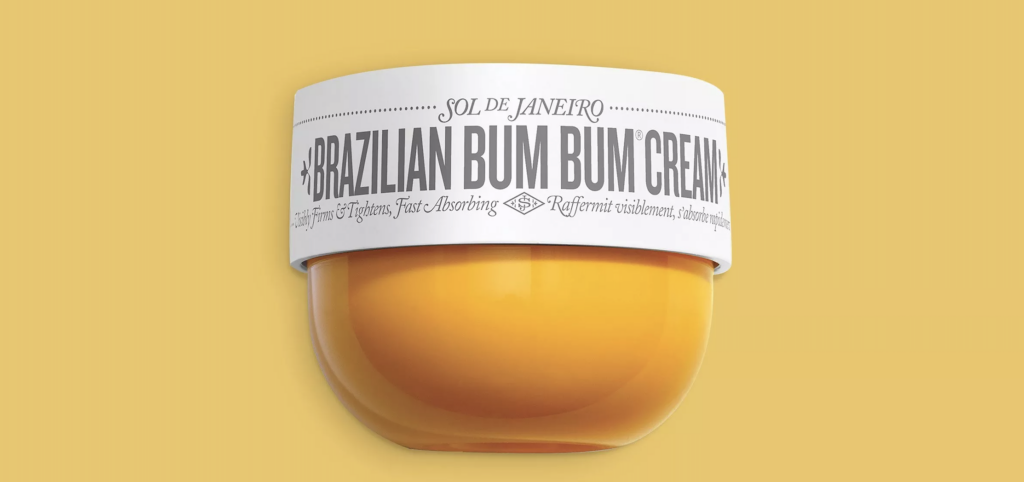
In an order on March 17, Southern District of New York Judge George B. Daniels concluded that Sol de Janeiro failed to raise a genuine issue of material fact as to functionality and that each element of the Bum Bum Jar was functional, both individually and collectively …
> The Shape: The court found that the body and lid of the jar served utilitarian purposes, with the rounded jar improves access to thick creams and durability, while the oversized lid aids grip and sealing. Although Sol de Janeiro pointed to testimony from co-founder Heela Yang that the design was chosen for aesthetic reasons, the court held that subjective aesthetic intent does not negate objective functionality.
Sol de Janeiro’s argument that the design was “a hundred percent aesthetics” did not carry weight, with the court making clear that subjective intent does not override objective utility.
> The Color Scheme: The yellow-and-white color-blocking also did not survive scrutiny, with the court citing evidence showing that Sol de Janeiro uses packaging colors to communicate fragrance and product benefits across its product line. Drawing on Second Circuit precedent, the court held that features are functional when they “improve the operation of the goods,” including by helping consumers distinguish between product variations.
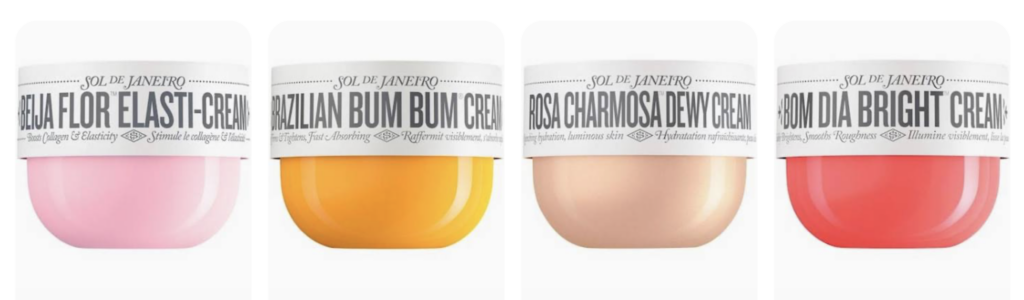
> The Lettering: The court also held that the lid’s capitalized dark-gray lettering and surrounding smaller text were functional, as contrasting, capitalized text enhances visibility and readability. As with the other elements, the court dismissed arguments that these were purely aesthetic choices, emphasizing that functionality turns on what the features do – not why they were chosen.
The court further noted that the jar’s shape was derived from a stock container offered by a third-party vendor, reinforcing that “generally, style elements taken from the public domain are considered functional because their exclusive use would undermine effective competition.” It also pointed to USPTO refusals of similar Sol de Janeiro packaging, which found that “the shape of the screw-on cap and the shape of the rounded jar” are functional because such containers are commonly used for cosmetic products.
THE BOTTOM LINE: The ruling sheds light on the limits of trade dress law in a market where lookalike products are widespread, making clear that brands cannot use trademark law to claim exclusivity over packaging features that serve practical functions – such as container shapes that improve usability, colors that signal product attributes, or design elements drawn from widely available, stock components. Even where a competitor deliberately sets out to create a “dupe,” trade dress law does not prohibit copying unless the features at issue are non-functional and source-identifying.
The case is Apollo Health and Beauty Care v. Sol De Janeiro USA, 1:22-cv-07719 (SDNY).
Share