



A Delaware federal court has tossed a proposed class action lawsuit against Capri Holdings and Tapestry over their failed $8.5 billion merger, making clear that defunct deals do not always give rise to merited securities fraud claims. In a newly issued opinion, the court granted the fashion groups’ motion to dismiss – without prejudice, finding that none of the challenged statements – including those regarding the headline-making deal’s anticipated closing, competitive impact, and market structure – are actionable under federal securities law.
The Background in Brief: Investors sued Capri Holdings, Tapestry, and their executives after a proposed merger collapsed following the Federal Trade Commission’s move to block the deal on antitrust grounds. In their complaint, which was filed in April 2024, the plaintiffs accusing the companies of misleading investors by expressing confidence the deal would close, portraying the handbag market as fragmented, and touting the transaction as “pro-competitive” and “pro-consumer.”
According to the plaintiffs, internal documents show that Tapestry and Capri (the “defendants”) viewed each other as close competitors within a distinct “accessible luxury” segment, in which they allegedly held more than 80 percent market share, while downplaying regulatory risk and overstating the likelihood of regulatory approval. To support their Section 10(b) and Rule 10b-5 claims, the plaintiffs pointed to internal analyses, benchmarking, and alleged pricing strategy as evidence that the defendants knew or recklessly ignored the deal’s anticompetitive risks.
Capri and Tapestry moved to dismiss, arguing that the complaint relies on hindsight and fails to plead falsity, scienter, or actionable statements.
No Fraud in the Failed Deal
In a March 31 opinion, Judge Stephanos Bibas sided with Tapestry and Capri, dismissing the complaint in its entirety without prejudice. The court grouped the challenged statements into three categories – timeline statements, competitive-impact statements, and market-structure statements – and found that each category failed under the applicable securities law standards …
> Timeline statements: The court held that statements about the deal’s anticipated closing, including repeated assertions that the transaction was “expected” to close in 2024, were forward-looking and thus generally protected. It emphasized that such statements “fit comfortably” within statutory forward-looking statements and, particularly in SEC filings and other written disclosures, were accompanied by meaningful cautionary language regarding regulatory approval and litigation risk.
> Competitive-impact statements: The court found that many statements characterizing the transaction as “pro-consumer” or “pro-competitive” reflected subjective views about the deal’s future effects and were therefore non-actionable opinions and/or forward-looking statements. At the same time, it singled out broader assertions that the merger “will not limit, reduce, or constrain competition,” noting that plaintiffs plausibly alleged scienter as to at least one such statement.
Notably, even where the court found scienter adequately alleged, the claims still failed because those statements were forward-looking and protected by the PSLRA safe harbor.
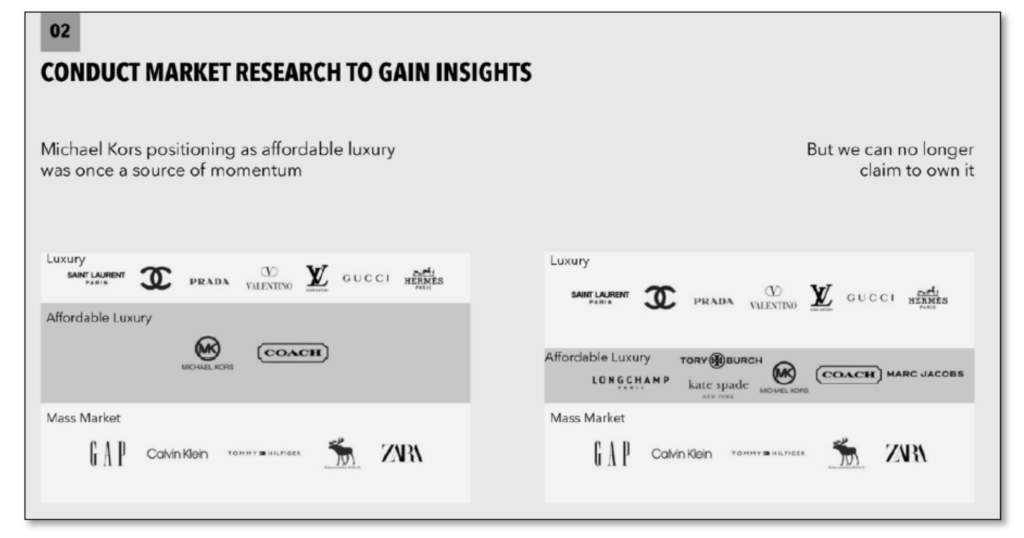
> Market-structure statements: The court treated statements describing the handbag market as “fragmented” or highly competitive as opinions about present market conditions, explaining that market definition is a “deeply fact-intensive inquiry” on which reasonable minds can differ. Still, it found that some of these statements could be actionable where they allegedly omitted contrary internal views, such as plaintiffs’ allegations that Capri and Tapestry viewed each other as key competitors within an “accessible luxury” segment. Those claims nevertheless failed because plaintiffs did not plead a strong inference of scienter.
More broadly, the court concluded that the “most compelling inference” was not that defendants intended to mislead investors, but that they genuinely believed the merger would be approved and that the relevant market was broader than the “accessible luxury” segment, rather than that they intended to mislead investors. It also rejected plaintiffs’ reliance on internal documents as insufficient to show that defendants knew their public statements were false or misleading or that the merger would necessarily be blocked.
THE BOTTOM LINE: The ruling makes clear that failed M&A deals – even those undone by antitrust concerns – do not, on their own, translate into securities fraud exposure. For retail companies, it also signals that internal segmentation frameworks, such as “accessible luxury,” may carry increasing weight in regulatory contexts, particularly amid heightened FTC scrutiny of consolidation within price-defined segments, but will not automatically render public-facing statements misleading absent particularized allegations of falsity and scienter.
The case is In re: Capri Holdings Ltd. Securities Litigation, 1:24-cv-01410 (D. Del.).
Share