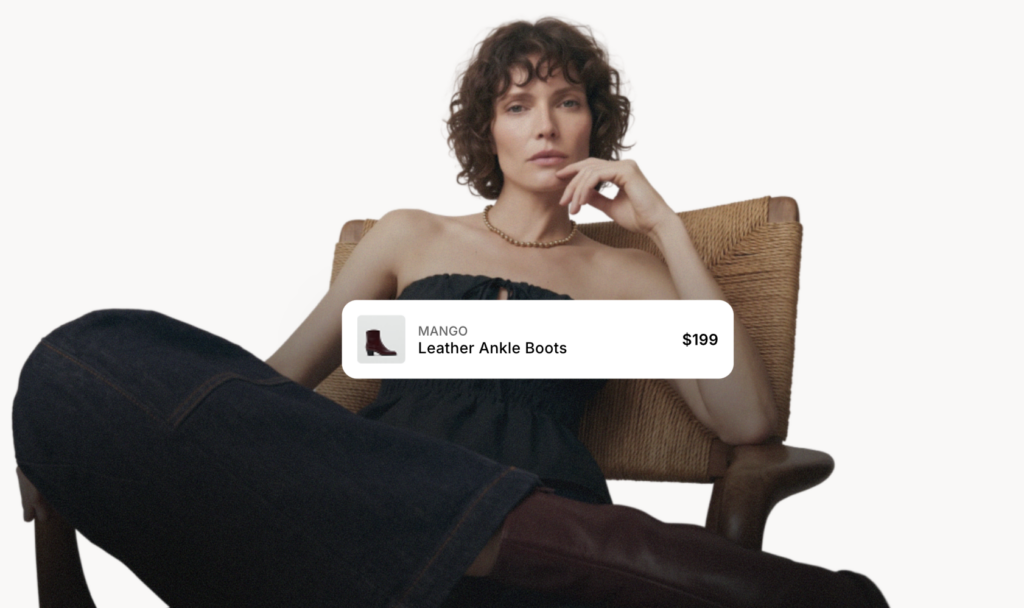
Farfetch launched in 2008 to connect physical luxury boutiques with a global online audience while preserving their brand identities. The platform handled logistics, payments, and customer service, allowing partners to control product and presentation. Over time, Farfetch expanded into owned retail, brand acquisitions, and white-label tech services, positioning itself as infrastructure for the luxury industry.
Strategic deals with Gucci, Chanel, Alibaba, and Richemont reinforced that role, but market volatility and heavy spending led to a reset. Now owned by Coupang, Farfetch returns to its core model: enabling global luxury commerce without replacing the brands it supports.
Origins & the Marketplace Thesis
Founded in 2007 by entrepreneur José Neves, Farfetch launched in 2008 as a marketplace that connected small, influential boutiques to global demand without taking on any inventory and without stripping the brands of their carefully-controlled identities. Farfetch provided the infrastructure – catalog ingestion, fraud prevention, duties, logistics, and customer service – enabling coveted products to move at internet speed without feeling commoditized. The legal and commercial promise was clear: preserve third-party marks and local reputations while aggregating reach, data, and operational scale on the platform side.
To show that online and offline could co-exist, Farfetch acquired London’s Browns in 2015, with Browns becoming the company’s experiment in appointment styling, data-assisted merchandising, and connected fitting rooms. In 2017, Farfetch’s “Store of the Future” demo pushed this further, using RFID-aware service tools and clienteling to make a boutique visit feel as fluid as a great app.
That same year the company bought Condé Nast’s Style.com assets to fuse editorial discovery with commerce, and secured a $397 million strategic investment from JD.com to accelerate China access and logistics.
Capital, M&A, and Strategic Partners
An NYSE IPO in September 2018 raised roughly $885 million for Farfetch, funding a faster push into culture-driven categories and owned IP. In December 2018, Farfetch acquired sneaker marketplace Stadium Goods for about $250 million, then in 2019, it bought New Guards Group – the Milan platform behind Off-White, Palm Angels, and Heron Preston – for about $675 million, adding brand creation and licensing to distribution.
Behind the scenes, Chanel took a minority stake in Farfetch in 2018 and signed an innovation partnership focused on in-store tech and clienteling.
The platform business became a second engine alongside the marketplace. Under “Platform Solutions,” Farfetch white-labeled e-commerce, apps, payments, and logistics for brands and retailers – a behind-the-scenes stack that made Farfetch part software company, part freight forwarder, part retail operator.
In late 2020, Alibaba and Richemont announced a $1.1 billion package – convertible notes into Farfetch and a joint venture for Farfetch China – designed to plug the platform into Alibaba’s Tmall Luxury Pavilion and accelerate brand onboarding in the world’s most dynamic luxury market.
U.S. Tie-ups, Macro Whiplash & the Coupang Chapter
In the U.S., Farfetch and Neiman Marcus Group announced a 2022 partnership alongside a $200 million Farfetch minority investment in NMG – the plan was to re-platform Bergdorf Goodman on Farfetch tech and list NMG banners on the marketplace. By February 2024, NMG ended the operational piece while Farfetch remained a minority investor, a reminder that enterprise re-platforming in luxury is as much governance and timing as it is code.
By 2022–2023, Farfetch was hit on several fronts: volatility in China, the exit from Russia, and a broader luxury cool-down, all while it was digesting acquisitions and building out its Platform Solutions business. A proposed deal to take a substantial stake in Richemont’s Yoox Net-a-Porter stalled and was officially terminated in December 2023. Days later, with trading halted and liquidity in question, Coupang stepped in with $500 million in financing and agreed to acquire Farfetch’s operating assets.
The deal closed on January 31, 2024. Farfetch was delisted from the NYSE, and the business now operates under Coupang, refocused on core marketplace and platform capabilities within a larger commerce group.
What the Brand Became – and What Endures
Farfetch’s brand was defined by function, not just image: a platform that brought together heritage maisons, emerging labels, and independent boutiques without stripping them of their identity. It helped normalize full-price luxury online, made cross-border logistics and same-day delivery standard, and used scale to support (rather than replace) curation. But its larger bets, including Stadium Goods, New Guards Group, and the China joint venture, highlighted the risks of overextending a platform model built on thin margins.
Farfetch’s rise rested on timing, a network design that respected third-party IP, and relentless investment in the “boring” bits – taxes, compliance, fraud, returns – that actually make cross-border luxury work. Its stumbles underscored the cost of carrying too much platform ambition on too much cash burn, and how quickly cycles can turn when partners, regulators, or markets shift.
Under Coupang, the strategy is more focused: operate the infrastructure, not compete as a retailer. The enduring lesson is practical – a luxury marketplace succeeds only when the platform protects brand equity and masters the operational mechanics behind it.
This piece was prepared in collaboration with Jamie Zwirn and Emilie Mentrup.
Share