

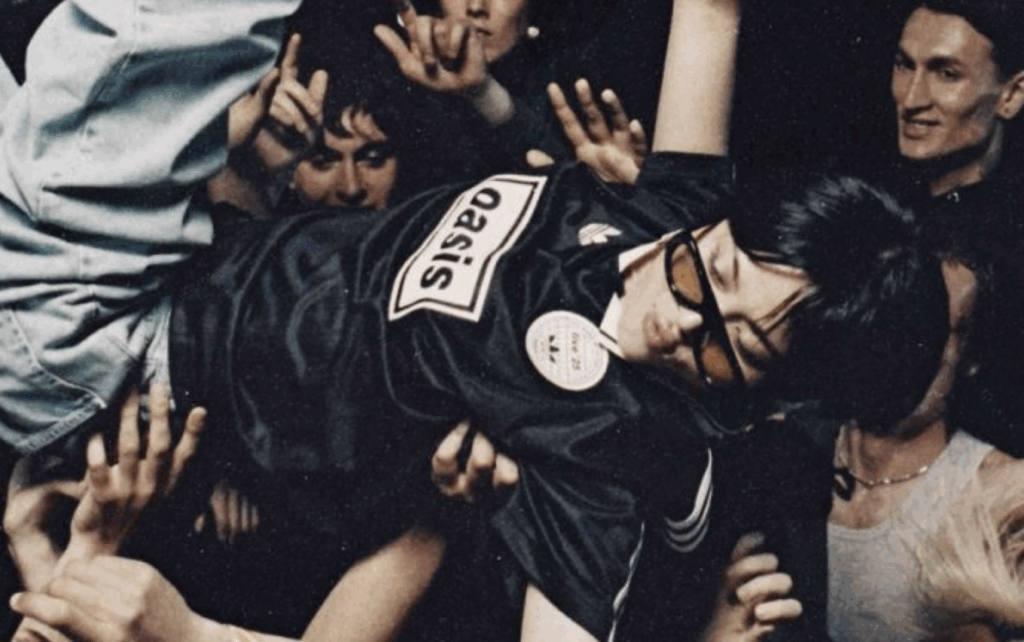
Oasis’ global reunion tour is doing more than filling arenas from Manchester to the MetLife Stadium in New Jersey. The reunion of the Gallagher brothers, sixteen years after their infamous split, is shining a light on the evolving state of the consumer landscape. Not just a series of concerts, by way of the Live ’25 tour, Oasis is reasserting itself as a band and as one of the buzziest brands of the moment. It is also a case study in how experiences are driving sales in the consumer goods market.
Behind the roaring demand for the return of Oasis is a marriage of nostalgia and discovery: For older fans, the tour offers a chance to relive the Britpop years; for younger audiences, it delivers an authenticity missing from today’s algorithm-driven music market. The economics behind Live ’25 are striking: the tour is expected to generate a cool £1.06 billion, including sales of merch, which has been driving both revenue and search traction.
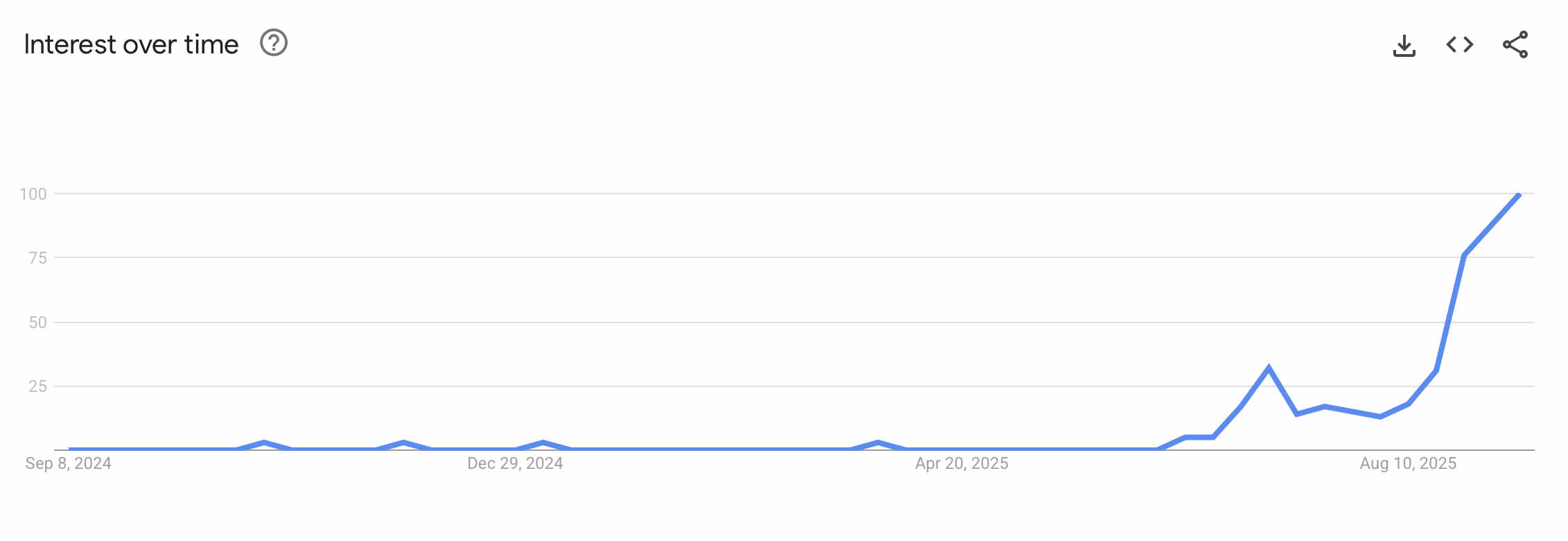
Looking beyond the economics, the Oasis phenomenon is part of an ongoing shift in consumption: the preference for experiences over products. Oasis has tapped into this market evolution with precision. A ticket is not just admission to a show; it is access to a cultural moment, and a piece of merch is not merely another t-shirt or hat to be acquired. It is a physical token tied to an unforgettable experience.
Against this background, Oasis merch is purchased – and carries weight – because it conveys that the wearer was there, participating in something coveted and potentially hard to access. This is why logoed baseball caps from Aman or The Ranch, Hotel Il Pellicano totes, or the ever-coveted US Open merch is inundating the market. It is also something that traditional retail brands struggle to replicate.
Reflecting on the enduring downturn in the personal luxury goods segment, Tony King, the founder and CEO of strategic branding, campaigns, and marketing agency King & Partners, recently stated, “The slowdown … has been in motion for over a decade, as consumers shifted their spending from products to experiences. Travel, hospitality, and once-in-a-lifetime moments hold more meaning than another logo on a bag.”
But is there an in-between? Oasis, Aman, the U.S. Open, and others show that consumers are spending on both – though it is the experience that drives the purchase, in a market where luxury is less about the object itself and more about the experience it represents.
THE BOTTOM LINE: The magic of Oasis in 2025 lies in its balance of past and present. On one hand, the band is leaning unapologetically into its history, reminding fans why they became a global phenomenon in the first place. On the other, the reunion is infused with a sense of newness: fashion-forward collaborations, curated retail strategies, and an aesthetic that resonates with digital natives. Perhaps more importantly, Oasis is no longer just a band. It is a brand, and with each show, each merch drop, and each viral bucket hat, it cements its place not just in the pantheon of rock history but in the cultural and commercial present.
Share