

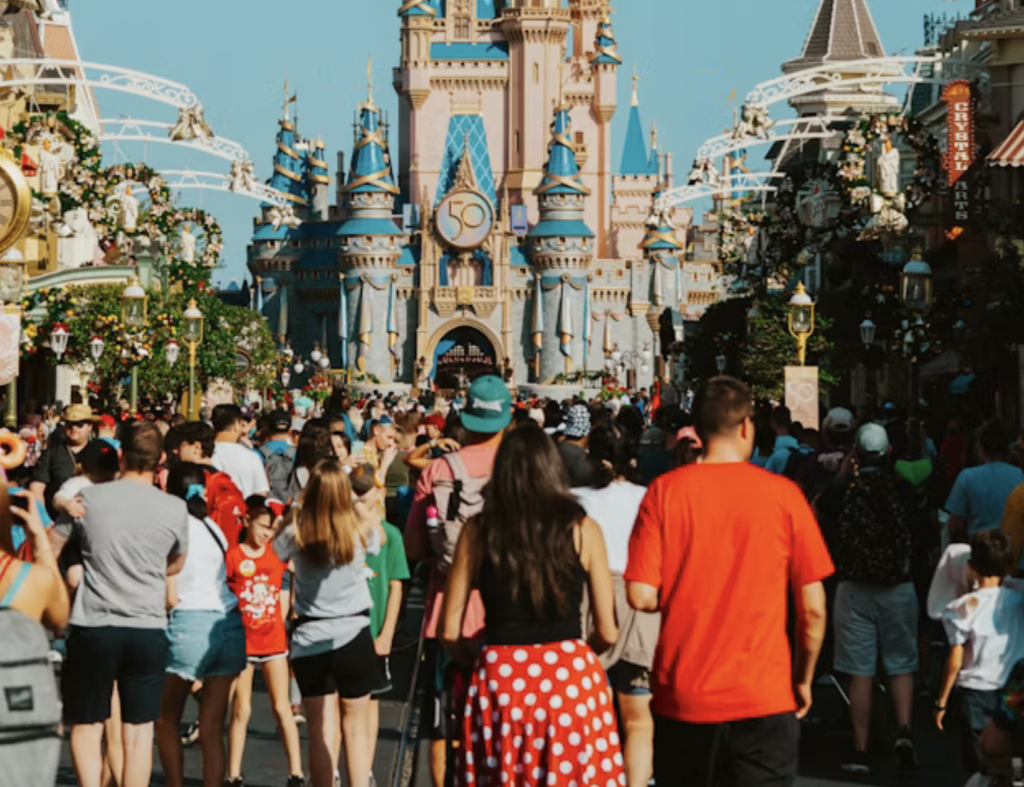
A Disney pin-trading app is at the center of a lawsuit over AI-altered advertising and the limits of creator consent. In a complaint filed in California federal court on October 2, Catherine Esperanza Amador alleges that Pin Trading App used her content in an unauthorized Facebook advertisement featuring an AI-altered depiction of her. The content creator accuses the company of using an altered depiction of her despite licensing terms expressly prohibiting AI modification, raising questions about the use of generative AI in advertising and the scope of creator licensing rights.
Setting the stage in her complaint, Amador says that she began creating promo videos for Pin Trading App in February 2026 under what she alleges were licensing terms requiring separate authorization for paid advertising and expressly excluding “the right to use, modify, repurpose, or exploit the Deliverables with artificial intelligence (AI) or any automated tools.” Although Pin Trading App did not sign a formal agreement, Amador maintains that its written acknowledgment of the terms and subsequent performance established an enforceable contract.
Despite those restrictions, Amador alleges that Pin Trading App used her content in a paid Facebook advertisement depicting her with lighter skin, altered facial features, and a different background. According to the complaint, the changes made her Hispanic features appear Caucasian, while identifying details, including her tattoos and clothing, remained unchanged.
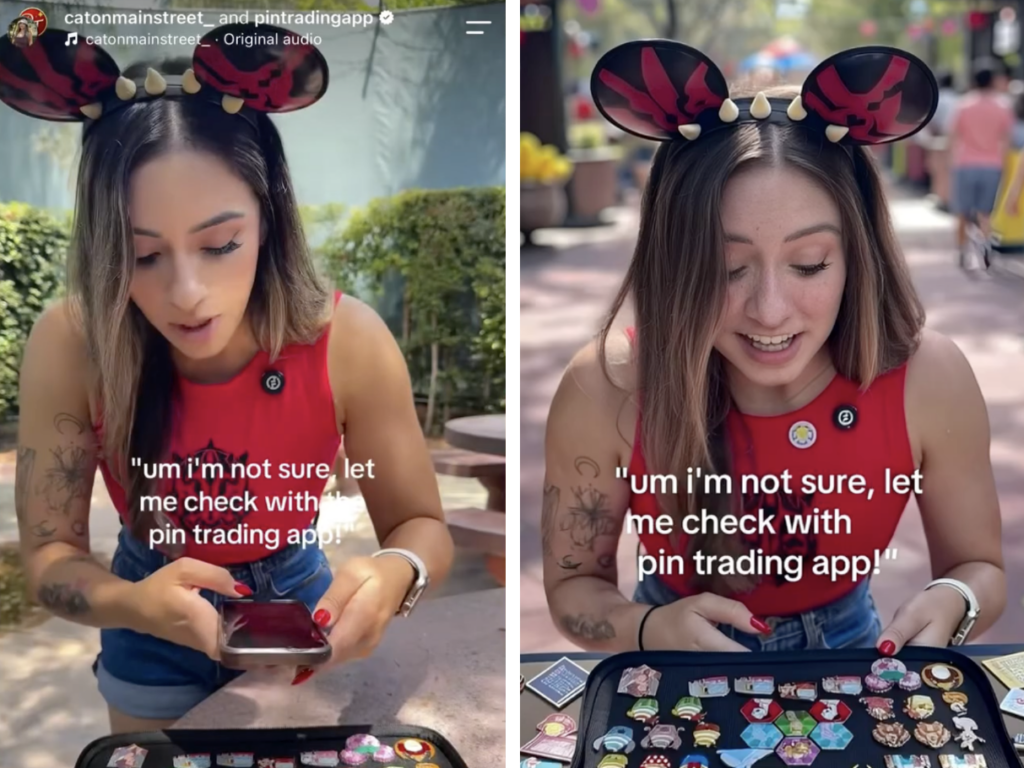
In a September 20 public statement cited in the complaint, Pin Trading App attributed the alterations to Meta’s automatically enabled Advantage+ Creative Standard Enhancements and acknowledged failing to review the advertisements before publication. Amador disputes whether those tools could have produced the changes, maintaining that Pin Trading App bears responsibility for the unauthorized advertising regardless of how the alterations occurred.
Against that background, Amador asserts a federal false endorsement claim, along with California statutory and common law right of publicity claims, false light invasion of privacy, and breach of contract.
The Next Frontier of AI Advertising Liability
As brands increasingly turn to generative AI to create and modify advertising content, the scope of existing model releases and creator licensing agreements is coming under the microscope. At issue is whether authorization to use existing content also permits brands to create new or altered depictions of the individuals appearing in it.
In June, model Francheska Pujols filed suit against Rainbow Shops, alleging that the retailer used AI to generate advertising images depicting her in poses and settings she had not authorized. Rainbow has moved to dismiss the case, arguing that its existing model release permits broad alterations and transformations, regardless of the technology used. Meanwhile, influencer Molly Tranchin sued lingerie brand EBY in June for allegedly creating and using an unauthorized AI-generated video depicting her. Tranchin voluntarily dismissed the federal action without prejudice, leaving the underlying allegations unresolved.
The Pujols and Amador cases present different contractual questions: in its defense, Rainbow argues that its existing model release authorizes broad alterations, including AI-generated imagery, whereas Amador alleges that the parties agreed to terms expressly prohibiting AI modification without prior written consent.
As attorneys at ArentFox Schiff stated in an analysis of the Rainbow case, “Standard photo-use rights should not be treated as consent to automatically authorize AI-generated replicas unless the agreement expressly authorizes that use.” Brands should expressly address AI-generated uses in their licensing agreements, distinguishing between permitted alterations to existing content and the creation of new depictions, and specifying when separate consent is required.
The case is Amador v. Evergreen Apps LLC, 8:26-cv-02904 (C.D. Cal.).
Share