

In a market defined by global sourcing, “Made in the USA” is coming under the scrutiny of consumers and courts. For years, “Made in the USA” has served as a commonly-used marketing claim in the domestic personal care product and beauty industry, but a growing number of consumer-filed cases (and a couple of newly-issued decisions), along with enduring regulatory action, make clear that this approach carries real legal risk.
This month, federal courts in Illinois and California declined to fully dismiss consumer lawsuits accusing haircare companies of deceptively marketing products as “Made in the USA” despite allegedly relying on foreign-sourced ingredients. The cases arise under different statutory schemes – Illinois consumer fraud law, on the one hand, and California’s consumer protection laws and “Made in the U.S.A.” safe-harbor regime, on the other. But they both drive home the point that courts are prepared to treat origin claims as legally meaningful representations, not background marketing language.
Domestic Branding, Global Inputs
At their core, both cases advance the same underlying theory. Consumers allege that haircare companies used unqualified “Made in the USA” labels to signal product quality, influence purchasing decisions, and, in some instances, justify higher prices – even though the products allegedly contained foreign-sourced ingredients alleged to be more than incidental.
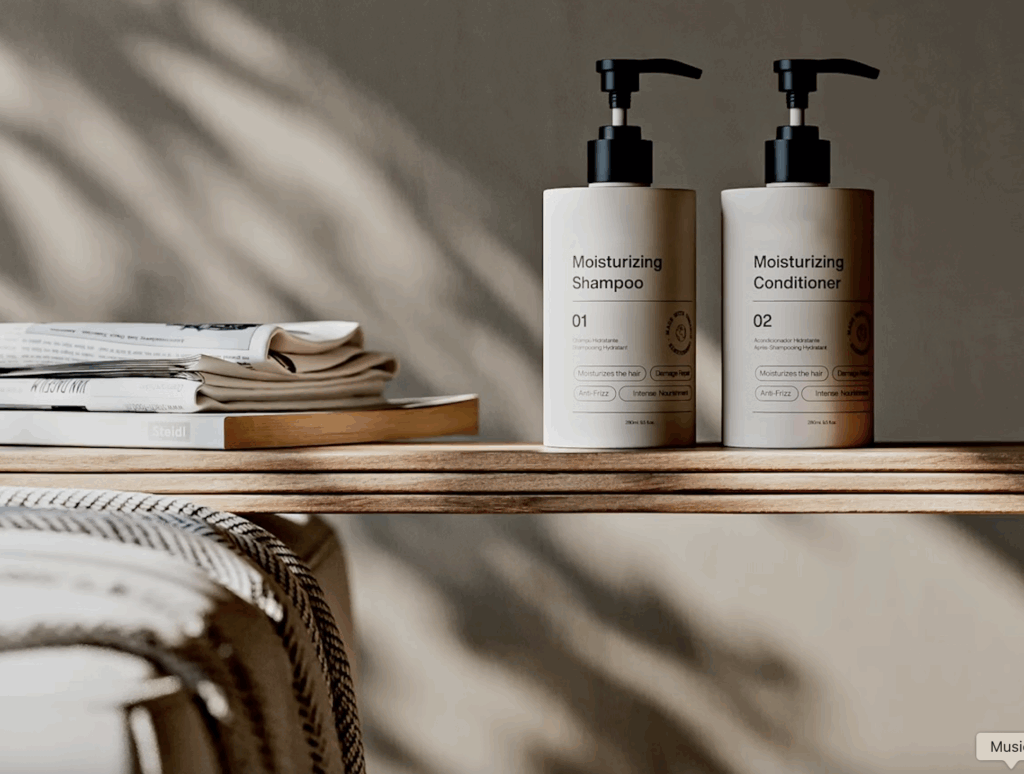
In a case against John Paul Mitchell Systems in the Northern District of Illinois, the challenge centers on Tea Tree–branded products marketed as American-made despite alleged reliance on ingredients such as tea tree oil and jojoba that are not sourced domestically in commercial quantities. The other case – which is being waged against It’s a New 10, LLC in the Southern District of California – centers on a product built around hydrolyzed silk that was labeled “Made in the USA” despite allegedly containing multiple foreign-derived ingredients positioned as central to the product’s identity.
The crux of both cases is not merely that foreign ingredients were present, but that domestic-origin claims were used to sell a narrative of American origin and quality that the underlying sourcing allegedly did not support.
From Marketing Claim to Legal Liability
Recent decisions in both cases are notable, as rather than dismissing “Made in the USA” labeling as immaterial, the courts credited allegations that such claims plausibly influenced consumer purchasing decisions, while also recognizing limits on forward-looking relief once consumers became aware of the alleged misrepresentation.
In John Paul Mitchell Systems, the court expressly accepted that allegations of a price premium – or that consumers chose to pay more because of domestic-origin representations – were sufficient to plead economic injury at the motion-to-dismiss stage. In doing so, the court treated the origin claim as a representation tied to value, not mere branding.
At the same time, the judge in the New 10 case made clear that origin labeling cannot be dismissed as legally insignificant, particularly where a “Made in the USA” claim appears prominently on packaging and intersects with ingredient-driven branding. The judge focused closely on how foreign ingredients were embedded in the product name, emphasized through marketing, and positioned as core components of the formulation. Those allegations, the court held, were enough to plausibly suggest that the ingredients were more than de minimis and that their foreign origin mattered to consumers.
The implication is difficult to ignore. The more a brand elevates ingredient narratives while relying on unqualified domestic-origin claims, the harder it becomes to dismiss those claims as harmless shorthand.
THE BIGGER PICTURE: Taken together, the decisions send a clear message to brands. Unqualified “Made in the USA” claims are not low-risk marketing messages. Courts are prepared to examine what those claims communicate to consumers, how they interact with ingredient sourcing, and, in some cases, whether they plausibly support premium pricing. And of course, that scrutiny does not exist in a vacuum; it coincides with regulatory action.
Actions initiated by the Federal Trade Commission have ensnared the likes of Williams-Sonoma, Inc., Pyrex kitchenware maker Instant Brands, and watchmaker Shinola over “Made in USA” claims. And more recently, the Trump administration has said that it is prioritizing enforcement of advertising rules about “Made in USA” claims, with the FTC sending warning letters to retail giants like Amazon and Walmart this summer, urging them to improve their policing of third-party sellers who advertise their products as USA-made.
Share