

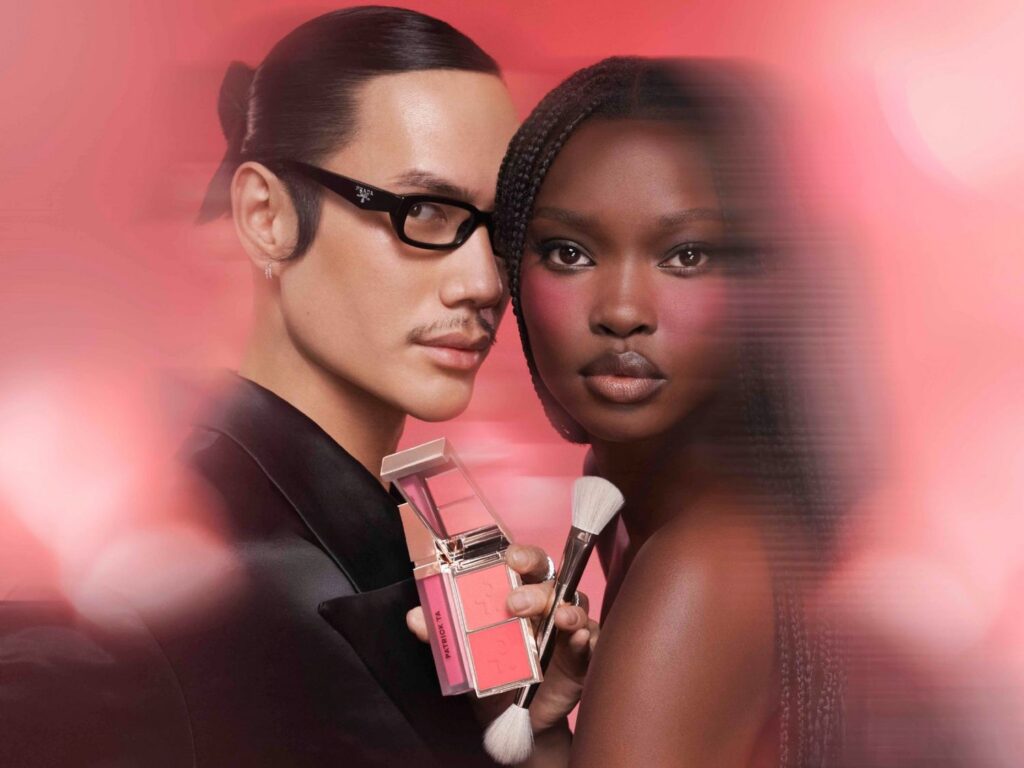
CVS is facing a new lawsuit over its “unauthorized” sale of prestige beauty products, nearly two decades after it faced a dispute over its sale of Davidoff fragrances. This time, Patrick Ta Beauty is suing CVS and a third-party supplier over the retail chain’s sale of Patrick Ta cosmetics. The case is the latest to test an issue that courts have considered in lawsuits involving everything from fragrances to electronics: When can the resale of authentic branded products without the trademark owner’s consent constitute infringement?
In a complaint filed in the Southern District of California on October 14, Patrick Ta Beauty alleges that CVS obtained its products from Akstrom Imports and offered them for sale without authorization. The problem, according to Patrick Ta, is that the goods are materially different from those sold through its authorized channels because CVS customers do not receive the same warranty terms or access to customer service.
The Los Angeles-based beauty brand also challenges CVS’ use of its trademarks in point-of-sale displays, alleging that the promo materials could mislead consumers into believing that the sales are authorized or endorsed by the brand.
CVS Has Been Here Before
At its core, the newly-filed case implicates the first-sale doctrine, which generally permits the resale of genuine trademark-bearing goods following an authorized initial sale. Courts have recognized exceptions to that protection, including where products differ “materially” from authorized goods or their distribution interferes with legitimate quality-control procedures.
In Zino Davidoff’s 2009 trademark infringement case against CVS, for instance, the Second Circuit considered the retailer’s sale of Cool Water fragrances with removed production codes. The appeals court affirmed a preliminary injunction, finding that the removal of the codes interfered with Davidoff’s legitimate quality-control procedures and that the resulting damage to the packaging rendered the products materially different from their authorized counterparts.
Patrick Ta’s complaint advances a different material-differences theory. It does not allege that CVS altered the cosmetics or their packaging, but that it sells the products without the warranty protections and customer-service benefits available through authorized channels.
When Missing Warranties Matter
Courts have previously recognized that differences in warranty coverage and associated services can be material for trademark purposes. In a case involving the unauthorized resale of radar detectors (Beltronics), the Tenth Circuit held that differences in manufacturer warranties and associated services could constitute material differences for trademark purposes, even where the products themselves were physically identical. The court also found that the reseller’s disclosures concerning the absence of the manufacturer’s warranty were insufficient to eliminate the likelihood of consumer confusion.
Similarly, in a 2021 case involving unauthorized sales of OtterBox phone cases, a Colorado federal court found that the absence of the manufacturer’s warranty constituted a material difference, relying in part on consumer survey evidence. The court also concluded on summary judgment that the reseller’s failure to comply with OtterBox’s legitimate quality-control requirements defeated its first-sale defense.
Meanwhile, the Ninth Circuit, whose precedent governs Patrick Ta’s case, has also addressed the limits of the first-sale doctrine. In a 1995 dispute involving professional haircare products (Sebastian International), the court upheld the right of a drugstore chain to resell genuine goods without the manufacturer’s authorization. In a separate case involving repackaged collectible figurines (Enesco), it considered how disclosures can address potential consumer confusion.
THE STRATEGY: For Patrick Ta, the earlier rulings provide a basis for arguing that the absence of warranty coverage and customer-service benefits can render genuine products materially different. More broadly, the case comes as luxury and prestige beauty brands continue to seek greater control over their distribution networks, whether by rationalizing wholesale relationships, imposing restrictions on authorized retailers, or pursuing legal action against unauthorized sellers on the basis of material differences.
In Europe, the Court of Justice of the European Union’s 2017 decision in Coty’s case against Amazon and co. remains a key precedent for luxury brands seeking to maintain control over their distribution networks. The ruling confirmed that luxury brands may, subject to certain conditions, restrict authorized distributors from selling through third-party online marketplaces to preserve their luxury image. In the U.S., where the first-sale doctrine generally protects the resale of genuine goods, differences in warranty coverage and post-sale services can provide a separate basis for challenging unauthorized distribution under trademark law.
For counsel seeking to establish material differences, among the key considerations are how warranty and service benefits are structured, whether they are consistently provided through authorized channels, and whether their absence from unauthorized sales can be documented. Evidence that consumers value those benefits may further strengthen an infringement claim, even when the products themselves are genuine and unaltered.
The case is Patrick Ta Beauty, LLC v. CVS Pharmacy, Inc., 3:26-cv-05867 (S.D. Cal.)
Share