

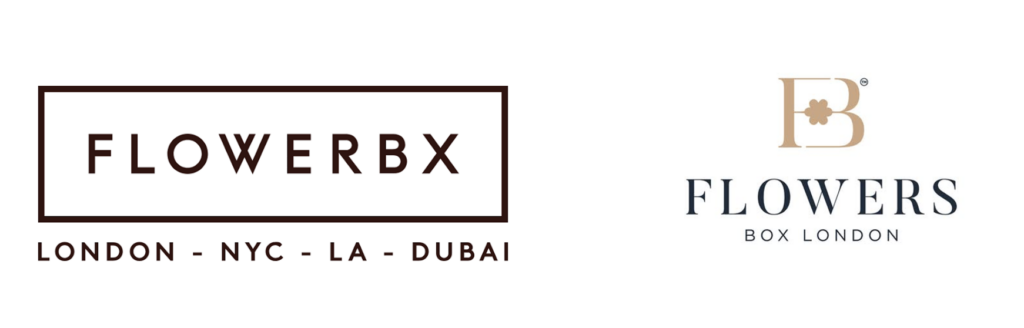
A missing vowel is at the center of a trademark decision. Flowerbx has prevailed in a clash with rival florist Flowers Box London, with a UK court finding that the latter’s use of names, including FLOWERSBOX, FLOWERS BOX, and FLOWERS BOX LONDON, infringes Flowerbx’s trademark rights in its name. The court also rejected Flowers Box London’s effort to invalidate the FLOWERBX trademark on the basis that it is descriptive.
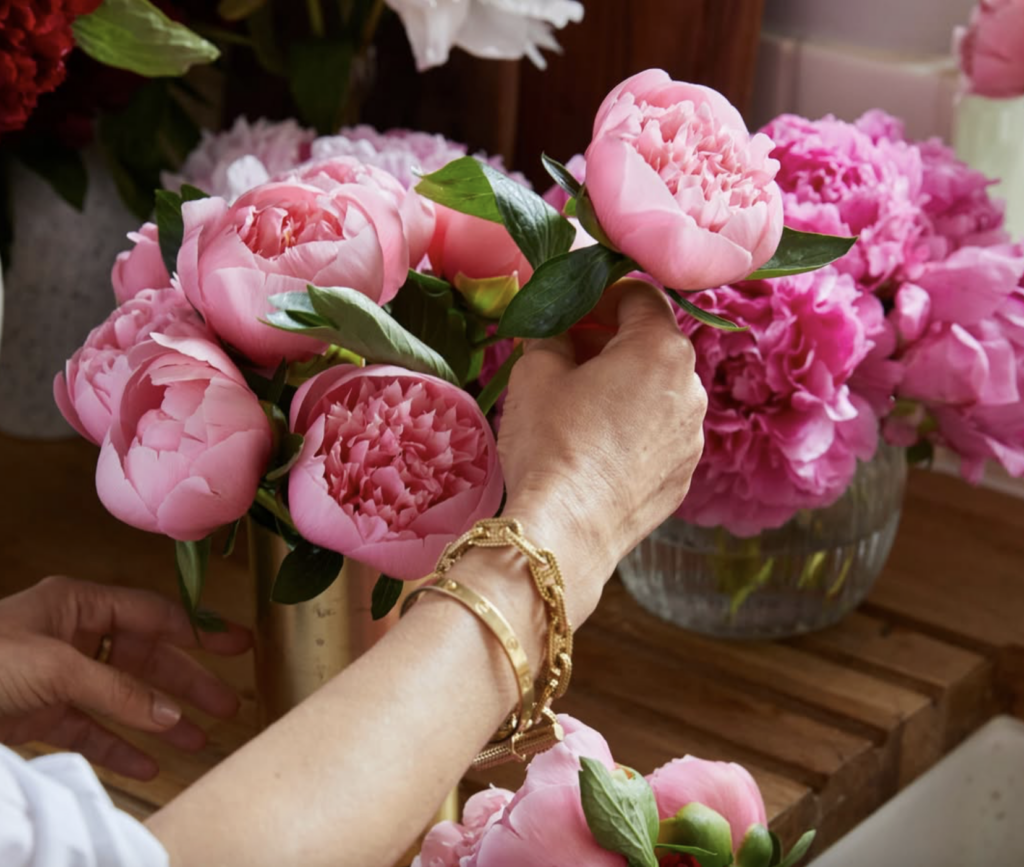
The case pitted Flowerbx against Flowers Box London over the latter’s use of “confusingly similar” names. Founded in 2015 by former Gucci and Tom Ford executive Whitney Bromberg Hawkings, Flowerbx built its business around luxury flower delivery, events, gifting, and installations and registered the FLOWERBX trademark in the UK in 2017. Flowers Box London was incorporated in 2019, and Flowerbx says it became aware of instances of consumer confusion between the businesses in late 2023, prompting it to wage a trademark lawsuit.
In response to Flowerbx’s infringement claims, Flowers Box London challenged the validity of the FLOWERBX mark, arguing that the name – pronounced “flower box” – merely describes the flowers and related retail services for which it is registered.
The Case for Confusion
In a September 7 decision, Deputy Judge Amanda Michaels of the Intellectual Property Enterprise Court sided with Flowerbx. While consumers would understand FLOWERBX to mean “flower box,” the court refused to find that the mark was descriptive. According to the court, “flower box” describes a container in which flowers may be sold or displayed, not the flowers or flower-retail services themselves. At the same time, the court found that FLOWERBX had acquired enhanced distinctiveness by early 2019, citing the company’s turnover, advertising, press coverage, and collaborations, giving the mark a greater degree of protection.
Turning to infringement, the court found substantial similarities between FLOWERBX and the allegedly infringing marks, which were being used for goods and services identical to those covered by Flowerbx’s registration. FLOWERSBOX was “highly similar” visually, while the addition of LONDON or a stylized “B” reduced – but did not eliminate – the similarity, the judge held.
The court also pointed to repeated evidence of actual confusion: Customers purchased from Flowers Box London believing they were dealing with Flowerbx and complained about orders to the wrong company. In another instance, the Serpentine Gallery contacted Flowers Box London about work based on a previous Flowerbx installation, attaching a Flowerbx-branded proposal.
Flowers Box London characterized some of these incidents as mistakes or consumer carelessness, but the court found there were too many to dismiss, calling it “abundantly clear” that consumers had been confused. It concluded that the similarity between the names was causing consumers looking for Flowerbx to reach its rival, supporting a finding of likelihood of confusion under section 10(2)(b).
Flowerbx also prevailed on its reputation-based claim. The court found that FLOWERBX had established a reputation for “luxury and stylish floral design of the highest quality” by April 2019 and that Flowers Box London unfairly benefited from that reputation, including by making sales to consumers who believed they were dealing with Flowerbx.
Steven James, a partner at Pillsbury Winthrop Shaw Pittman and counsel for Flowerbx, said the decision “sends a powerful message” for brands that have built consumer trust and invested in their reputations.
THE BIGGER PICTURE: The case lands against a broader branding trend that has been visible for years: companies dropping vowels or otherwise altering familiar words to create more distinctive names, particularly as trademark registers become more crowded and domains and social media handles become harder to secure.
Flowerbx’s case illustrates both the opportunity and the limits of that enduring branding strategy. An altered spelling does not automatically make an otherwise descriptive term protectable, and the court did not treat the missing “o” as dispositive here. Instead, it found that FLOWERBX – understood as “flower box” – was inherently distinctive for the flowers and related retail services at issue. Years of use, marketing, press coverage, and consumer recognition strengthened those rights further, ultimately leaving Flowerbx with a mark the court found was being infringed by a competitor whose branding was causing actual confusion.
The case is Flowerbx Limited v Flowers Box London Limited [2026] EWHC 2233 (IPEC).
Share