

Guerlain and Maison Francis Kurkdjian are at odds with Christophe Laudamiel over two limited-edition fragrance “remixes” he created using their products. What began with a cease-and-desist letter has developed into a dispute over a proposed settlement that would restrict the independent perfumer from displaying, selling, or giving away products from 14 LVMH beauty brands without prior written consent.
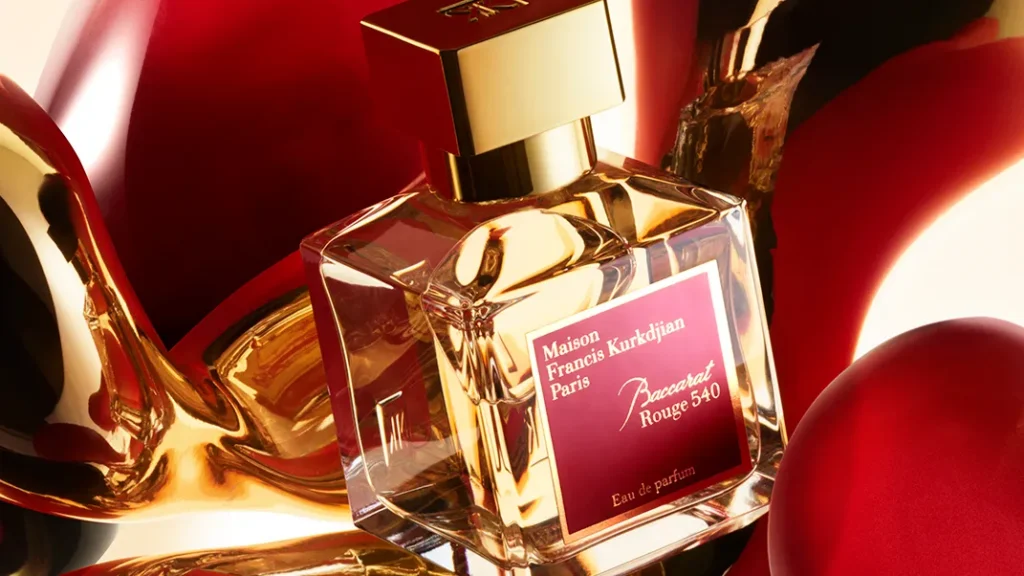
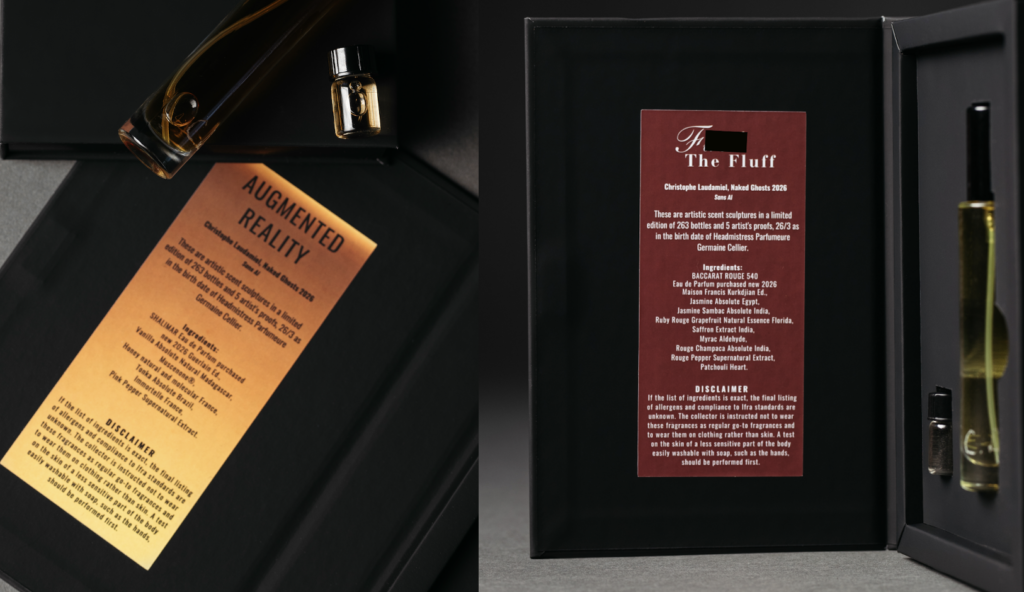
The dispute, as exclusively reported by TFL, centers on two fragrances sold under Laudamiel’s Naked Ghosts label. For Augmented Reality, he added vanilla and tonka absolutes to Guerlain’s Shalimar, while Fuck the Fluff incorporated natural saffron and jasmine into Maison Francis Kurkdjian’s Baccarat Rouge 540. Sold with samples of the unaltered originals, the fragrances were described by Laudamiel as “transformative artistic remixes” intended to comment on the creative and commercial decisions shaping perfumery.
From Fragrance “Remixes” to Broader Brand Restrictions
In a July 30 cease-and-desist letter, counsel for Guerlain and Parfums Francis Kurkdjian accused Laudamiel of trademark infringement, false advertising, and dilution by tarnishment. The brands alleged that he was trading on their goodwill by selling materially altered fragrances they had neither formulated nor approved. They also raised concerns about repackaging, product safety, and quality controls, citing a New York state law that restricts the sale of certain trademark-bearing goods outside their original packaging.
Laudamiel – who created Ralph Lauren’s Polo Blue and Abercrombie & Fitch’s Fierce fragrances – stopped selling the modified perfumes in August but maintained that he had purchased authentic products at full retail price and marketed his creations without suggesting brand affiliation or endorsement.
In September, counsel for Guerlain and Parfums Francis Kurkdjian proposed a settlement that would prohibit Laudamiel from displaying, marketing, selling, or otherwise distributing products from 14 LVMH beauty brands, including Dior, Givenchy, and Loewe, without prior written approval. The proposal also included an indemnification provision without an express monetary cap, covering third-party claims related to the modified fragrances and violations of the agreement. In exchange, the brands offered a conditional release of existing claims, while preserving their rights under the indemnification provision.
Laudamiel rejected the settlement in a November 16 response, arguing that its restrictions could extend to authentic vintage fragrances from Guerlain, Kenzo, and Dior that he owns and uses for educational purposes – and potentially run afoul of the first sale doctrine.
The Nuances of Brand Control
The dispute sits somewhat neatly at the intersection of trademark protection, resale rights, and artistic expression. Primarily, there is the first sale doctrine to consider, as it generally prevents trademark owners from blocking the unauthorized resale of genuine goods, subject to well-established exceptions for materially different products and interference with legitimate quality controls. Those exceptions are relevant here, given Laudamiel’s modifications to the original Guerlain and Maison Francis Kurkdjian fragrances, as well as the brands’ objections to the repackaging and distribution of samples of the originals.
Those considerations could favor the LVMH-owned brands, which have a legitimate interest in preventing materially altered versions of their fragrances from being marketed in ways that compromise their quality controls or create confusion about origin or approval.
Laudamiel’s characterization of the fragrances as artistic commentary introduces another consideration. His references to the Guerlain and Maison Francis Kurkdjian brands and their Shalimar and Baccarat Rouge 540 fragrances arguably identified the products he modified rather than suggested affiliation with their makers, potentially supporting a nominative fair use defense. The brands could counter that marketing altered fragrances under their trademarks nevertheless created confusion about sponsorship or approval. Laudamiel’s use of disclaimers and disclosures distinguishing his creations from the originals would be relevant to that analysis, although not necessarily dispositive.
The proposed settlement raises a separate issue: the extent to which brands can negotiate restrictions beyond their underlying trademark rights. Its terms would reach genuine products unrelated to the original dispute, illustrating how private agreements can provide a means of extending brand control beyond the protections otherwise available under trademark law.
THE BOTTOM LINE: As customizers and other independent creators continue to test the boundaries of trademark law, disputes like this one highlight the enduring standoff between brands’ efforts to control their products and the rights of third parties to modify, reinterpret, and commercialize genuine goods.
Share