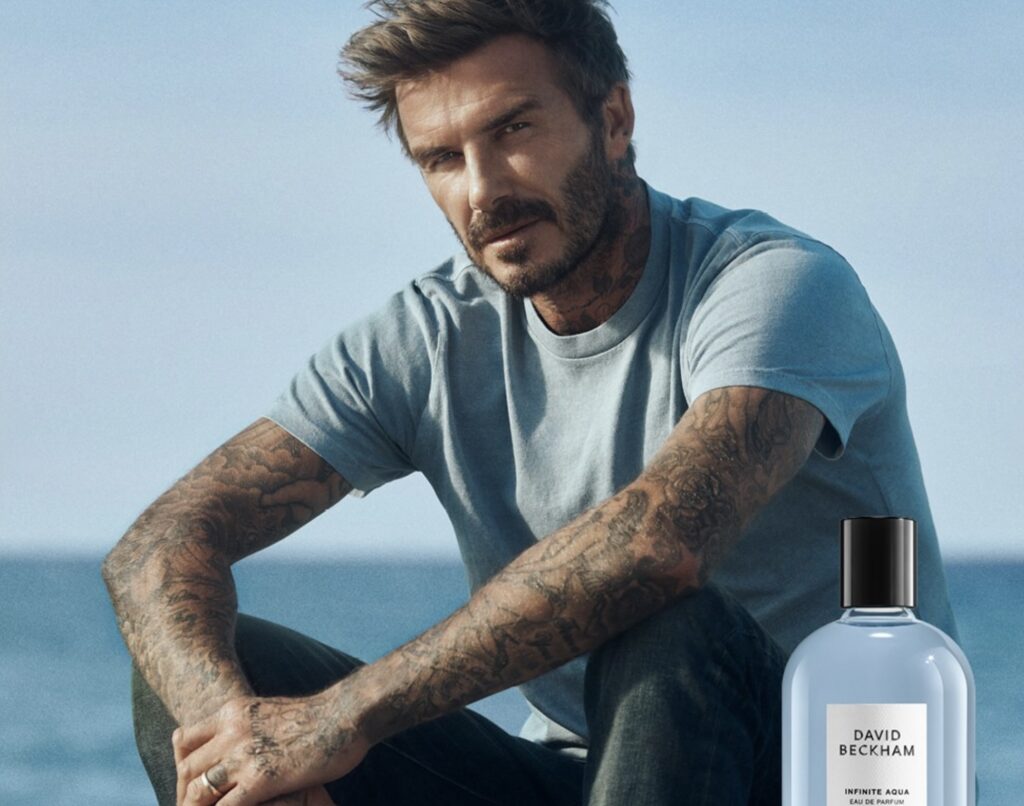


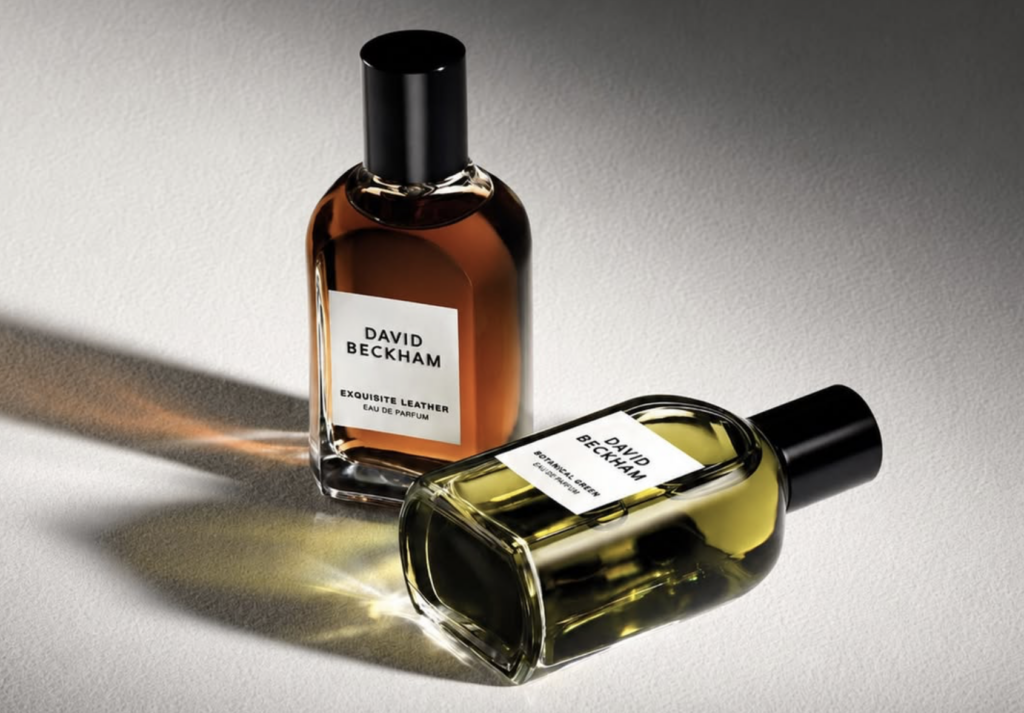
David Beckham’s $41 million legal battle with Coty is bringing attention to an underlying tension in the business of building and commercializing brands. In a headline-making lawsuit, DB Ventures, the company behind Beckham’s commercial rights, accuses its longtime fragrance licensee of dumping millions of dollars’ worth of Beckham-branded products through unauthorized distribution channels, including British discount retailer Poundland. In doing so, DB claims that Coty prioritized its own profitability over the image that Beckham has spent decades cultivating.
The case raises a question with implications well beyond the Beckham fragrance business: Can a brand owner require its licensee to write off the value of unsold merchandise in order to protect the image of the brand instead of selling those products to recoup its costs?
According to DB Ventures, the preliminary findings of a third-party audit revealed that Coty was selling products at discounts of more than 50 percent, which Beckham’s company characterized as evidence that Coty was liquidating merchandise through off-price and closeout retailers. DB Ventures maintains that these types of sales are inconsistent with the parties’ commercial strategy and Coty’s contractual obligation to maintain the “good image” of the Beckham brand.
In March, DB Ventures demanded that Coty acknowledge that any liquidation, closeout, or non-standard distribution of inventory required its prior written approval. Coty refused, according to the complaint. The fragrance giant disputes DB Ventures’ allegations and maintains that the parties’ licensing agreement affords it broad discretion over distribution.
The Economics of Brand Protection
For companies that derive a substantial portion of their value from their brand and associated IP, there is a commercial rationale for keeping products out of certain distribution channels, even if doing so means forgoing sales. Deeply discounted merchandise can alter consumers’ perceptions of what a brand’s products are worth, undermine relationships with retail partners, and make it more difficult to sell future products at full price.
The economics may look quite different for a licensee. Having invested in the development, manufacturing, and marketing of a product, a licensee like Coty has an incentive to recover those costs. Selling goods at a substantial discount may be preferable to incurring a loss on unsold inventory, particularly when the licensee has a finite period in which to commercialize the brand.
There is also a disparity in how the parties stand to benefit from investments in brand equity. While a licensee can capitalize on the strength of a brand for the duration of its licensing agreement, the brand owner may continue to contend with the fallout from its licensee’s distribution decisions years after their commercial relationship has ended.
Who Bears the Cost?
Luxury brands have historically been willing to incur substantial costs to curb unauthorized distribution. In 2018, Cartier and Piaget owner Richemont revealed that it had spent €481 million over two years buying back watches from its retail partners in a bid to address excess inventory and curb discounted distribution. In that scenario, Richemont assumed the financial burden of protecting its brands. Beckham’s company is effectively arguing for a different allocation of that burden: that Coty’s ability to generate revenue from Beckham-branded merchandise is subordinate to its contractual obligations to protect the brand.
Similar commercial tensions are playing out elsewhere in the beauty market, including in the trademark infringement lawsuit that Patrick Ta Beauty filed against CVS and a third-party distributor over the unauthorized sale of its cosmetics. The precise origins of the Patrick Ta inventory at issue remain unclear, the case sheds light on the limits of brand owners’ control over distribution once they have sold their products to third parties.
Contracting for Brand Equity
For companies that rely on licensing and wholesale distribution, some of the most consequential contractual negotiations may center on what happens to products that do not sell as anticipated. Should licensees be prohibited from liquidating inventory without approval if brand owners have no corresponding obligation to repurchase that merchandise? Should licensees be compensated for losses stemming from distribution restrictions intended to protect brand equity?
The answers have implications for the financial terms of licensing deals, including royalty rates and minimum guarantees, as licensees may seek to account for the additional inventory risk they are being asked to assume.
For companies that have built lucrative businesses by licensing their IP, the challenge is determining how much of the cost of protecting their brands they can pass on to their commercial partners – and how much they must be prepared to absorb themselves.
Share