

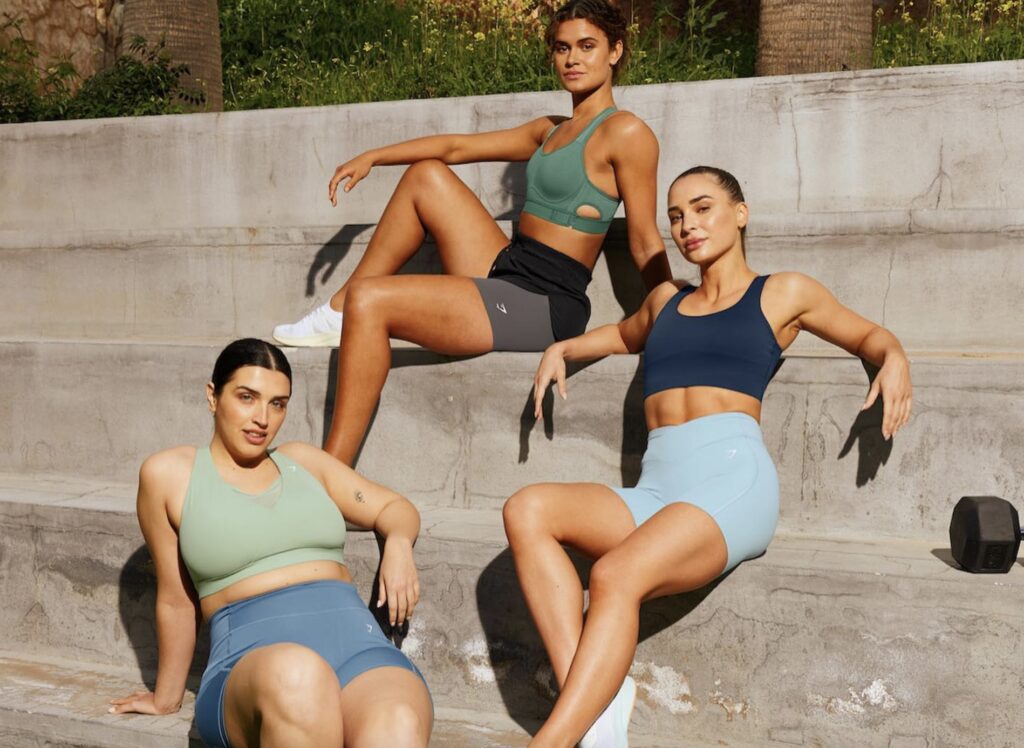
Gymshark is the latest brand to face a proposed class action over its influencer marketing practices, with a new lawsuit accusing the activewear company of systematically disguising paid influencer promotions as authentic endorsements in order to drive sales and command premium prices. In the June 16 complaint, plaintiff Mihaela Lupea alleges that Gymshark has “built a multi-billion-dollar apparel empire on misleading social media marketing strategies that systemically masquerade paid influencer promotion as authentic endorsements of [its] products.”
Going beyond allegations that influencers simply failed to include “#ad” or similar disclosures in their social media posts, Lupea asserts in the complaint she filed with the Southern District of New York that undisclosed influencer marketing is a central component of Gymshark’s business strategy. I In particular, she alleges that Gymshark entered into “exclusive relationships “with influencers that prohibited them from “endorsing, advertising, or wearing competing brands.”
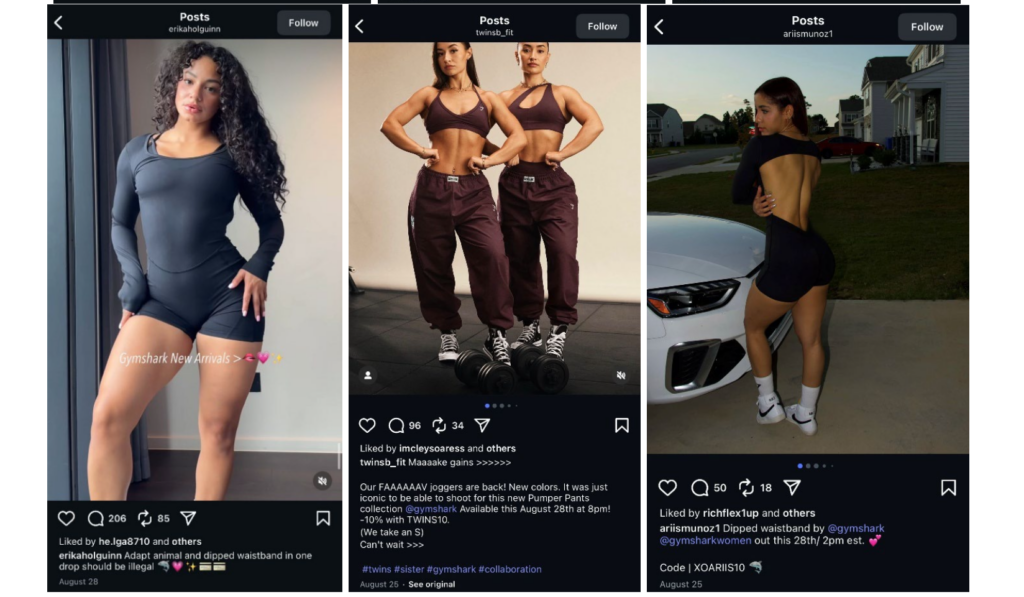
The problem, per Lupea, is that the influencers failed to disclose both that they were “paid to endorse Gymshark’s products” and that Gymshark “prohibits them from endorsing other products.” And she maintains that Gymshark “intentionally, deceptively, and systemically causes paid social media influencers to post advertisements that appear to be non-sponsored, ‘organic’ content.”
Against that background, Lupea asserts a claim under New York’s consumer protection law and alternative unjust-enrichment claims, and is seeking class certification, as well as damages and equitable relief.
More Than Another Influencer Lawsuit
The complaint is the latest in a growing wave of proposed class actions in which plaintiffs are citing alleged influencer disclosure failures as the basis for state-law consumer protection claims.
Since early 2025, consumer class actions have targeted influencer marketing efforts by Celsius, Shein, Revolve, ALO Yoga, and Beach Bunny, among others. The complaints – which target companies ranging from energy drink makers to swimwear brands – follow the same basic framework. They accuse companies and influencers of either omitting sponsorship disclosures altogether or presenting them in ways that are allegedly too obscure to be “clear and conspicuous,” causing consumers to mistake sponsored endorsements for independent recommendations.
Unlike several of the earlier lawsuits, which named both brands and individual influencers as defendants, Lupea’s complaint targets Gymshark alone, focusing on Gymshark’s alleged responsibility for the challenged marketing practices.
Because the Federal Trade Commission (“FTC”) Act does not provide a private right of action, consumer plaintiffs have generally relied on state consumer protection and advertising laws, while pointing to the FTC’s Endorsement Guides as the benchmark for what adequate disclosures should have looked like.
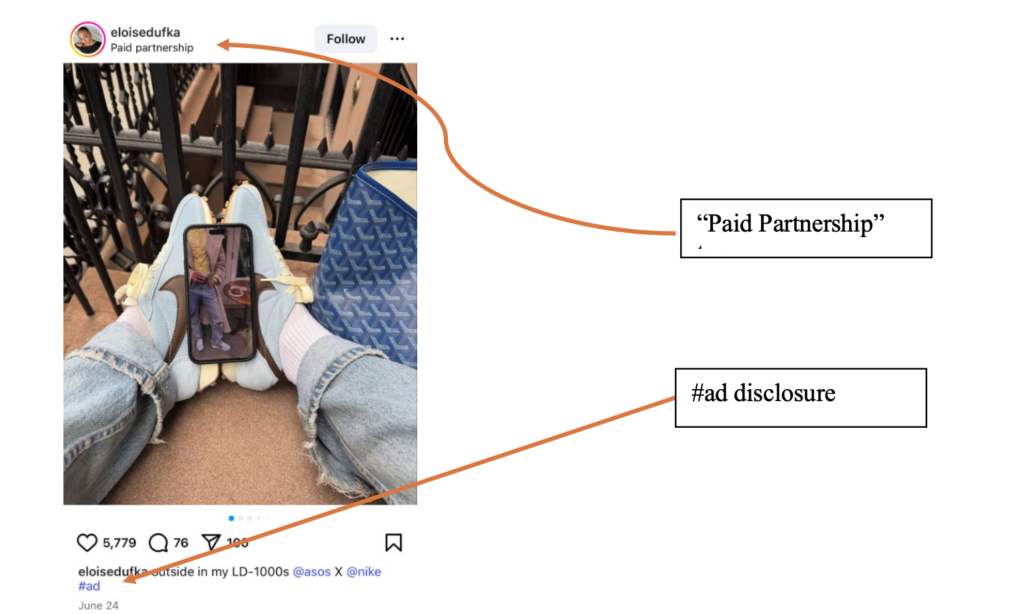
The alleged injury is also largely the same across the cases. The plaintiffs – who are seeking more than $500 million in some cases – contend that they either would not have purchased the products or would have paid less for them had they known the endorsements were sponsored. As such, the lawsuits rely on a familiar “price premium” theory, arguing that the appearance of authenticity increased demand and enabled brands to command higher prices.
That theory does not depend on allegations that the products themselves were defective or failed to perform as advertised. Instead, plaintiffs contend that undisclosed sponsorships distorted consumers’ purchasing decisions and inflated the prices they paid. Whether those claims ultimately succeed, however, remains an open question. While some courts have found comparable allegations sufficient to establish standing at the pleading stage, others have required plaintiffs to tie the challenged marketing more concretely to the products’ value or the alleged overpayment.
The cases have produced different procedural outcomes thus far. The ALO Yoga litigation was resolved through a settlement before the court reached the merits, while the Revolve court compelled the plaintiff’s claims to arbitration and struck the class allegations. The Shein and Beach Bunny cases remain pending. In the Celsius case, the court dismissed the claims against two influencer defendants without leave to amend and dismissed the remaining claims with leave to amend; the plaintiffs filed an amended complaint on July 8.
THE BIGGER PICTURE: The growing number – and similarity – of these lawsuits suggests that alleged influencer disclosure failures are evolving beyond an FTC compliance issue. Depending on the statute invoked, these claims may open the door to statutory damages, restitution, and attorneys’ fees, making alleged disclosure failures potentially attractive vehicles for class litigation.
For brands that rely heavily on creators to build awareness and drive sales, disclosure practices are becoming part of the broader consumer litigation risk landscape.
The case is Lupea v. Gymshark USA, Inc., 1:26-cv-05073 (S.D.N.Y.).
Share