

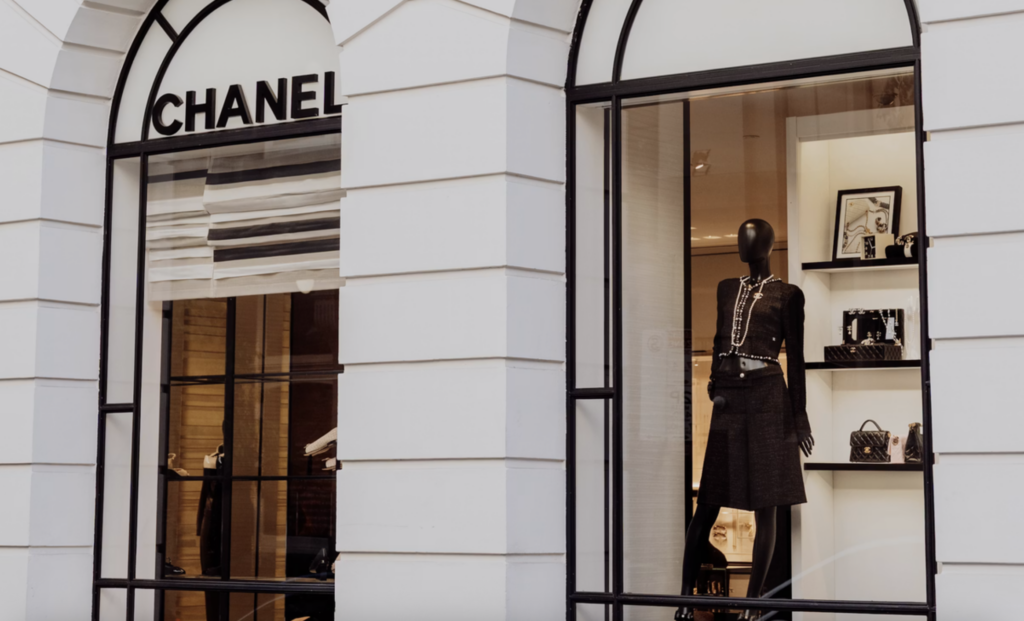
Four former Chanel Hong Kong warehouse employees were handed prison sentences this week with terms ranging from four to seven years for conspiring to steal more than 700 handbags and wallets – worth upwards of $2 million – that the company had designated for destruction. Beyond the headline-making criminal charges, the case sheds light on how luxury brands have long controlled products that no longer fit their commercial strategy – and exposes a much larger shift underway in the industry: how luxury brands are looking to shape the lifespan of authentic products.
The Commercial Tension Remains
Personal luxury goods occupy a unique position in the marketplace. It is not uncommon for merchandise to fall outside a brand’s intended retail offering while continuing to command significant demand in the resale segment, gray market, and other unauthorized channels. For decades, luxury companies reconciled that disconnect by removing those products from circulation through destruction, thereby ensuring that goods they no longer wanted in the market could not undermine their carefully managed pricing, distribution, and brand positioning efforts.
The Chanel case illustrates the tension that product destruction was designed to address. According to prosecutors in Hong Kong, the former warehouse employees attempted to steal hundreds of “out-of-season” handbags and wallets that had been designated for destruction – presumably with the aim of selling them. The criminal scheme at the center of the Chanel matter demonstrates why destruction became part of luxury’s brand-protection arsenal in the first place: removing products from circulation does not eliminate the demand – or the value they continue to hold.
In other words, a product’s value to a brand is not necessarily the same as its value in the broader market.
The Evolution of Brand Protection
As regulation, sustainability initiatives, and growing public scrutiny constrain product destruction, luxury brands are not abandoning efforts to protect scarcity and carefully managed distribution. While companies are likely to closely parse new legal frameworks for loopholes that allow for continued opportunities for destruction, the more significant shift is where they seek to exercise influence over authentic products.
Luxury brands’ bids for control are moving earlier – and extending further – across the product lifecycle. Upstream, they are investing in more sophisticated demand forecasting, inventory analytics, and tighter production planning to reduce excess inventory before it accumulates. Downstream, they are expanding authentication, warranties, repair, material recovery, and other circularity initiatives while turning to litigation over unauthorized resale, upcycling, and other uses they contend undermine brand value or carefully managed distribution.
Viewed individually, these developments may appear unrelated. Taken together, they point to a broader evolution in luxury brand protection, in which brands are not simply aiming to protect against infringement, but to influence how authentic products themselves move through the marketplace.
That evolution helps explain why disputes involving things like resale, upcycling, authentication claims, repair/refurbishment, etc., including those waged by Chanel, have become ever more prominent. They are not isolated legal or commercial developments. Instead, they reflect the same underlying objective: influencing how authentic products circulate both inside and outside authorized channels.
THE BOTTOM LINE: The Chanel prosecution ultimately serves as a reminder that the luxury brands protection playbook has long extended beyond purely policing counterfeit or otherwise infringing goods. It has also come to encompass efforts to wield power when it comes to how authentic products are distributed, circulated, and otherwise managed. Product destruction was once one of the industry’s least visible – and most effective – mechanisms for exercising that influence. As it becomes less of a surefire solution, luxury brands are not relinquishing control but actually seeking even more.
Share