

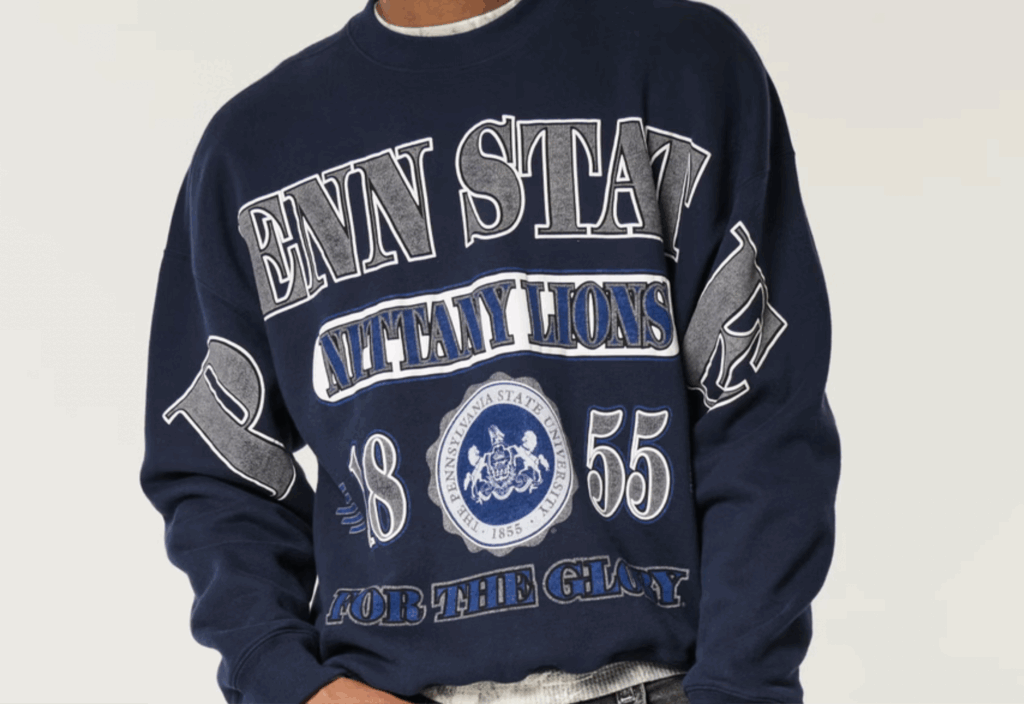
In a notable development in a case with implications for the collegiate licensing industry as a whole, Pennsylvania State University has secured a win against a seller of retro-style sports and collegiate wares. Late last month, a federal court in Pennsylvania denied Vintage Brand LLC’s bid to overturn a jury verdict that found it liable for willful trademark infringement, false designation of origin, and unfair competition over its unauthorized use of Penn State’s name, logos, university seal, and other trademarks on merchandise.
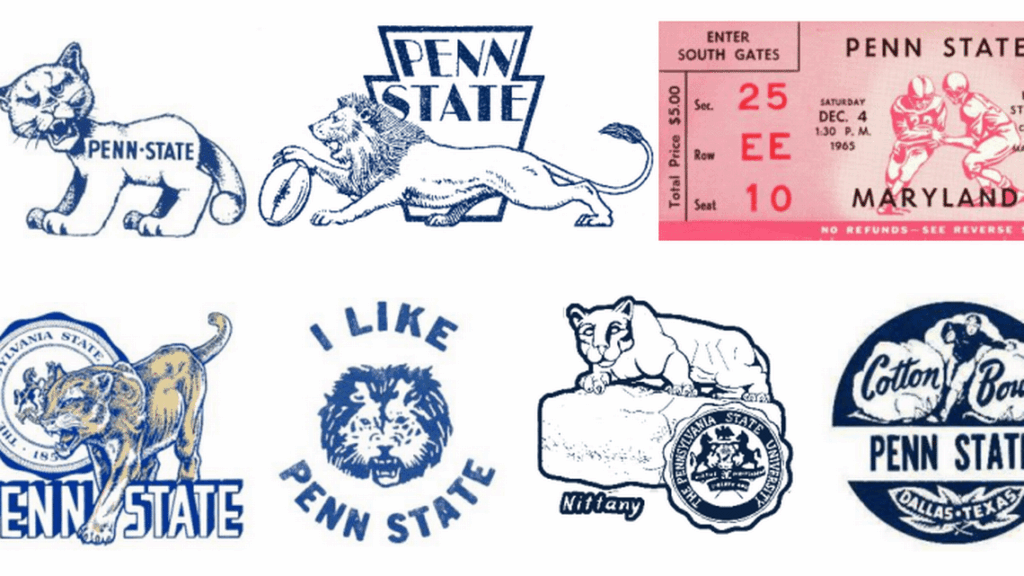
While the ruling affirms Penn State’s ownership of multiple marks, including its iconic Nittany Lion logos and university seal, the case underscores broader questions about how trademark law operates in the context of school/sports merch and third-party use of nostalgia-driven collegiate imagery – especially when the rights holder plays little – if any – direct role in the marketplace.
The Background in Brief: Vintage Brand, LLC, along with Sportswear Inc., marketed and sold retro-style apparel featuring Penn State imagery, prompting the university to file suit in June 2021 lawsuit. Penn State alleged that the unauthorized use of its trademarks – including the “Penn State” word mark, various lion logos, and the university seal – amounted to trademark infringement, false designation of origin, unfair competition, and dilution.
The defendants countered that the imagery was drawn from public domain memorabilia, that their website included clear disclaimers of affiliation, and that the marks were not being used “as trademarks.” They also raised aesthetic and functional defenses.
After a six-day jury trial in May 2024, the jury found willful infringement and awarded $28,000 in damages. The court later issued a permanent injunction but denied Penn State’s request for attorneys’ fees. Instead of lodging an immediate appeal, Vintage Brand moved for judgment as a matter of law or a new trial.
Takeaways from a TM Perspective
In an opinion issued on October 31, Chief Judge Matthew W. Brann of the U.S. District Court for the Middle District of Pennsylvania denied Vintage Brand’s motion for judgment as a matter of law, finding that the jury’s infringement verdict was supported by substantial evidence and that no miscarriage of justice warranted setting it aside. Among some of the key takeaways from the decision …
> Consumer Confusion Theories Expanded: The court affirmed that point-of-sale, initial interest, and post-sale confusion are all valid bases for trademark liability under the Third Circuit’s Lapp factors. Even minimal evidence – like Vintage Brand appearing in search results next to licensed sellers – supported a finding of likely confusion. The opinion underscores that under current law, even minimal evidence of initial interest or post-sale confusion may support liability.
> What Counts as Trademark Use: Invoking Jack Daniel’s Properties v. VIP Products, the defendants argued that Penn State failed to prove its marks were used “as trademarks.” The court disagreed, holding that use suggesting endorsement or affiliation is enough – especially in university merchandising, where perceived association itself carries commercial value.
> Aesthetic Functionality Rejected: The court dismissed the defense that Penn State’s marks were merely decorative and thus, unprotectable. It found the logos and seal served a clear source-identifying role, placing them outside the narrow bounds of the aesthetic functionality doctrine.
> Pozniak Lion in Commerce: Challenging Penn State’s rights in the “Pozniak Lion” logo, the defendants claimed it had not been used in commerce. The court disagreed, citing consistent use on apparel sold to student groups and in campus contexts – sufficient to meet the Lanham Act’s threshold without requiring large-scale retail sales.
> Liability for Fulfillment Providers: The court held that even manufacturers and backend service providers – like Sportswear Inc., which handled production and shipping – can be directly liable for infringement. This ruling could have ripple effects for vendors who support unlicensed sellers while avoiding direct sales themselves.
What This Means for Brands (and Schools)
The case underscores how trademark law today is not limited to preventing consumer confusion at the point of sale; it is increasingly a vehicle for institutions to control brand identity, perceived affiliation, and licensing value. In what might be the most interestingly aspect of the decision, Judge Brann noted his “skepticism” that trademark law was ever meant to apply in cases like this – where universities, themselves, play little to no role in the sale of merchandise. While bound to apply the law as written, Brann signaled discomfort with how institutional rights holders, like Penn State, are leveraging trademark doctrines to assert control over third-party uses of historical imagery and strongly encouraged appellate review, noting that the case raises multiple novel and unsettled legal issues.
The court acknowledged that the evidence of initial interest confusion was “not overwhelming,” but it ultimately held that the jury’s finding was supported by sufficient evidence under multiple confusion theories, including post-sale confusion. This reinforces a broader reading of actionable trademark harm – one that includes brand misuse affecting perception, without the need for an actual sale.
The court’s decision to grant a permanent injunction, despite the modest monetary damages award of $28,000, further reflects this shift: the true harm for Penn State was not in lost sales, but in the school’s loss of control over how its brand was commercially presented and perceived.
THE BOTTOM LINE: The court’s ruling may not reshape trademark law overnight, but it is a win for institutional brand control. At the same time, the judge’s candid skepticism could provide ammunition for future defendants – or spur appellate courts to clarify whether trademark law should apply so forcefully where the trademark owner is commercially distant from the alleged harm.
Share