


A collaboration between Prada and designer Jonathan Riss was allegedly supposed to put the Italian luxury brand’s stamp on a fleet of Rolls-Royces and take them to events around the world. Instead, the project has landed Prada and three of the Italian fashion group’s top executives in a $5 million-plus contract dispute, with Riss accusing them of abandoning the venture after he spent years developing it and millions of dollars preparing to bring it to market.
In a lawsuit filed in the High Court of Hong Kong, Riss and his company, Ahrsenal Limited, are seeking upwards of $5 million in damages from Prada – as well as Prada chairman Patrizio Bertelli, Miuccia Prada, and their son, Prada executive director Lorenzo Bertelli – in connection with the collapse of the project, which the parties called “Prada Strada.” The dispute stems from nearly two years of work between the parties, during which Riss claims the project progressed from early discussions to agreed-upon terms and substantial development work, even as a final contract remained unsigned.
From Handbags to Rolls-Royces
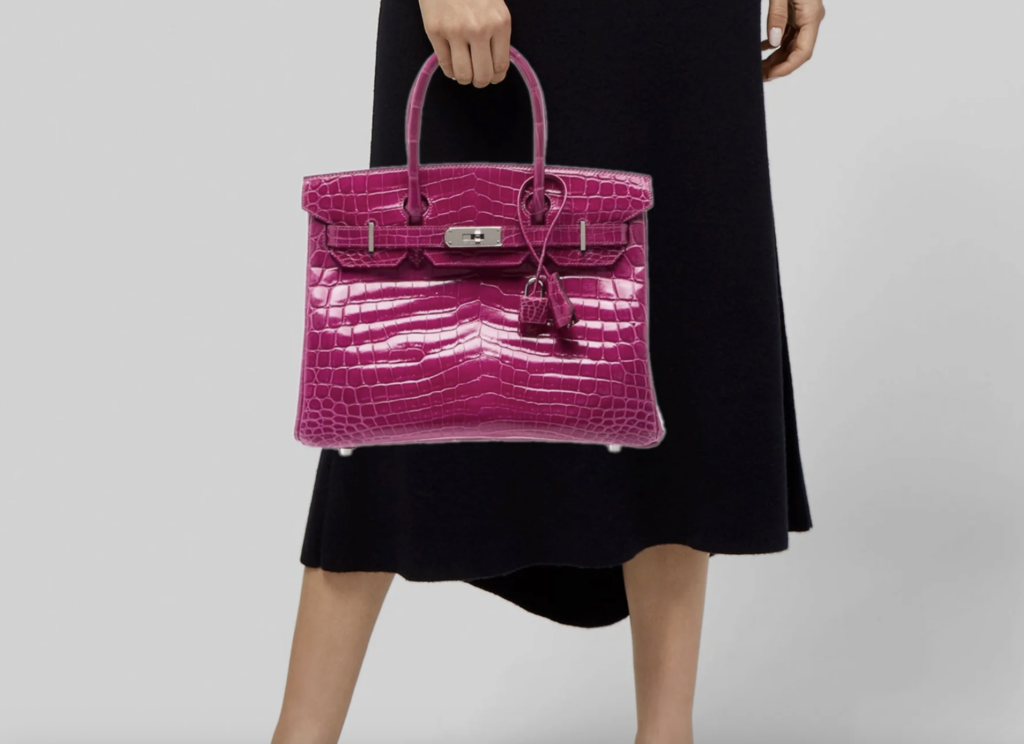
According to Riss’s complaint, he began collaborating with Prada in February 2024, when Patrizio Bertelli engaged him to rework Prada Galleria and Nylon bags. Riss – the Belgian designer known for his collaborations with the likes of Louis Vuitton, Hermès and Rolls-Royce – alleges that the work expanded into “Prada Strada,” a project that would see him redesign Rolls-Royce Corniche cars for automotive showcases, exhibitions, and rallies across the globe.
By April 2025, the parties had allegedly developed a deal setting out deadlines and compensation, with Riss slated to receive approximately $900,000 for each of the 10-plus redesigned Rolls-Royces contemplated for the project. Riss alleges that he worked on the project even though a final agreement was never executed, investing in design, technology, and research and acquiring three cars from Rolls-Royce, which is not named as a defendant, as part of the planned collaboration.
The project allegedly continued through 2025 before unraveling early this year. In February, Riss claims that Lorenzo Bertelli informed him that Prada Strada was being “paused” for “accountability” reasons. Riss claims that Prada’s decision amounts to a repudiation of the parties’ agreement, alleging that Prada and the individual defendants entered into written and oral agreements concerning the project and acted in accordance with those agreements, leading Riss to commit resources to it.
In addition to damages, Riss is seeking restitution, payment for Prada bags that he says he already transformed, and an injunction aimed at preventing Prada from pursuing the Prada Strada concept without him.
THE BOTTOM LINE: Looking beyond the headline-making prospect of Prada-branded Rolls-Royces, the lawsuit will ultimately turn in large part on what the parties said and did as Prada Strada took shape. The absence of a signed final agreement is important, but it does not necessarily resolve whether enforceable obligations arose along the way. The court will likely look at whether key terms had been settled and critically, whether the parties’ conduct was consistent with a deal that had moved beyond preliminary negotiations.
For brands and their collaborators, the case is a reminder that when work and spending move ahead of the paperwork, the absence of a final contract does not necessarily mean that no binding obligations exist.
Share