

The Supreme Court is set to weigh in on a trademark battle between PepsiCo and Rise Brewing that could reshape how courts evaluate one of the most important factors in trademark infringement litigation. The justices agreed on Monday to review PepsiCo’s victory in the long-running dispute over Pepsi’s use of the “MTN Dew Rise” mark, taking up a question that extends well beyond the parties themselves: whether a court may resolve the conceptual strength of a trademark as a matter of law or whether that inquiry should instead be left to a jury.
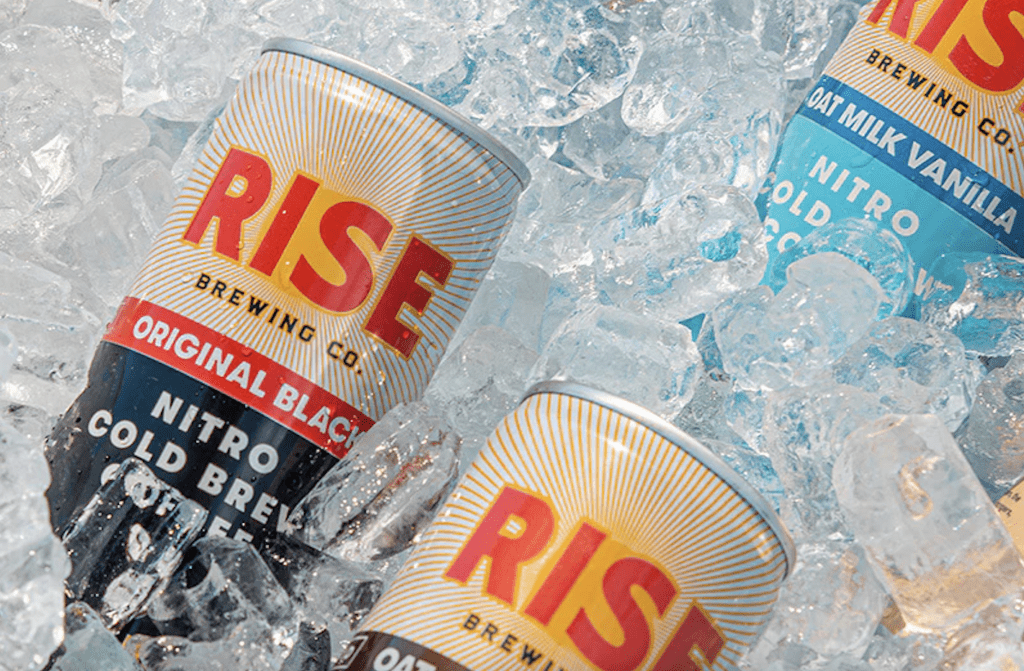
The Case in Brief: The dispute dates back to 2021, when Rise Brewing sued PepsiCo over its launch of “MTN Dew Rise Energy,” alleging that Pepsi’s use of “Rise” for a morning-focused caffeinated beverage would overwhelm its Rise canned coffee brand and create consumer confusion. Rise advanced a theory of reverse confusion, arguing that Pepsi’s enormous commercial presence would cause consumers to mistakenly believe Rise Brewing’s products were affiliated with the beverage giant.
Rise initially won a preliminary injunction, with the Southern District of New York finding that Pepsi’s use of the name posed a serious threat to Rise Brewing’s business. But the Second Circuit reversed, holding that the Rise mark was conceptually weak because of its association with coffee, mornings, and energy, and that the parties’ marks and overall product presentations were not sufficiently similar. On remand, the district court granted summary judgment to Pepsi, and the Second Circuit affirmed in 2024, holding that no reasonable jury could find a likelihood of confusion.
Who Decides Whether a Mark Is Strong?
The issue now before the Supreme Court is considerably narrower than the underlying branding dispute. Rise argues that the Second Circuit wrongly treated the inherent or conceptual strength of its mark as a legal question, rather than a factual issue tied to marketplace context, consumer perception, third-party use, and acquired distinctiveness. Rise contends that, in doing so, the Second Circuit effectively resolved fact-intensive evidence bearing on the strength of its mark – issues it says should have been left to a jury.
By granting certiorari, the Court will now have an opportunity to resolve that question for trademark litigation nationwide.
That distinction is significant, as in trademark cases, the strength of the plaintiff’s mark is a central part of the likelihood-of-confusion analysis. If courts may continue to resolve conceptual strength as a matter of law at the summary judgment stage, defendants may have a clearer path to early wins in cases involving common, suggestive, or crowded-field terms. If the Court sides with Rise, more disputes over mark strength may need to be resolved by juries.
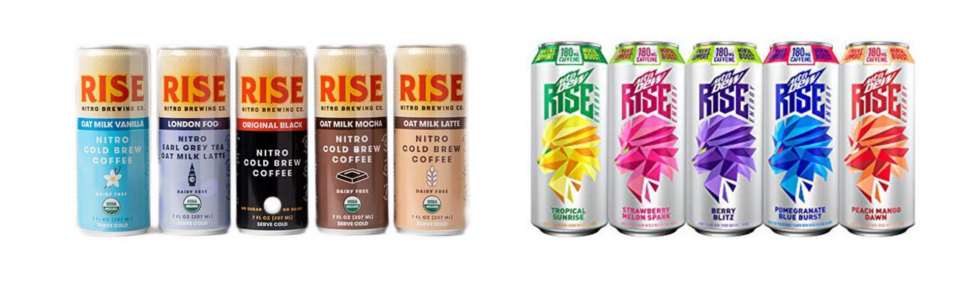
The case is also noteworthy because it arrives amid a broader wave of reverse confusion litigation, in which smaller brands have increasingly challenged larger companies whose extensive marketing and distribution allegedly overwhelm smaller but established brands. While such claims have become more common, they remain notoriously difficult for plaintiffs to win, particularly where the shared term is suggestive or widely used.
The Supreme Court’s decision to hear the case comes despite the U.S. Solicitor General’s recommendation that review be denied. The government acknowledged that there is disagreement among the circuits over how to characterize the strength-of-mark inquiry but argued that the Second Circuit’s approach likely did not affect the ultimate outcome in Pepsi’s favor.
THE BOTTOM LINE: For brands, the case is worth watching less for what it says about “Rise” specifically than for what it may say about trademark litigation more broadly. A ruling for Rise could make it harder for courts to dispose of certain infringement claims before trial. A ruling for Pepsi could reinforce courts’ ability to narrow trademark protection for suggestive marks in crowded fields, especially where a plaintiff’s mark is conceptually weak or the relevant market is crowded with similar marks.
The case is RISEANDSHINE Corp. v. PEPSICO, 1:21-cv-06324 (SDNY).
Share