

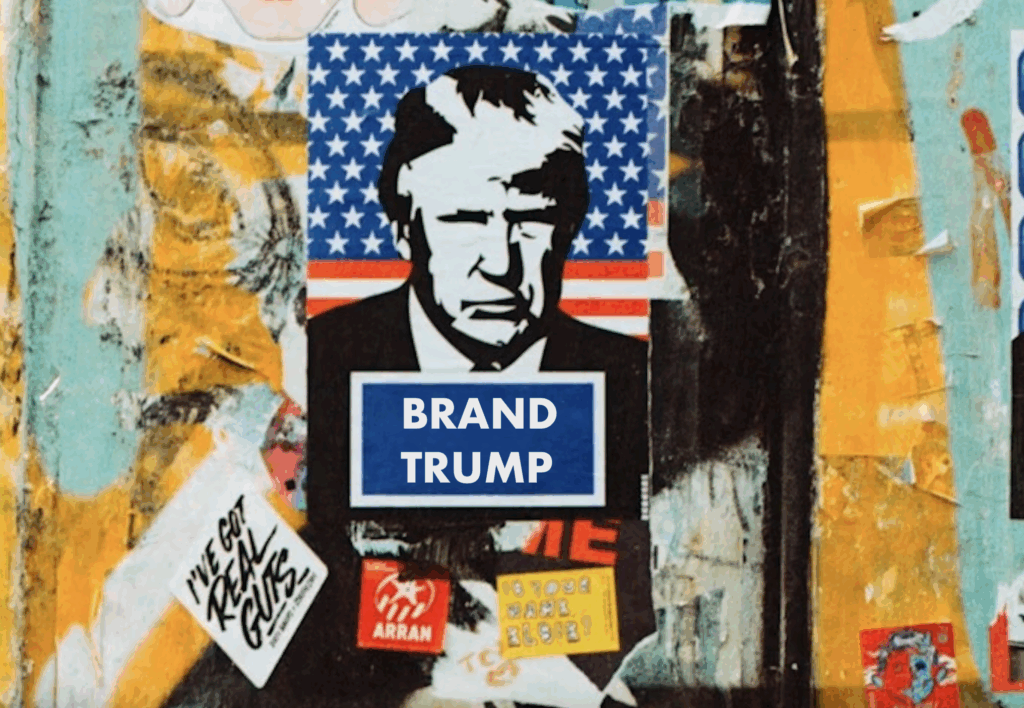
A new lawsuit filed by the Trump Organization sheds light on the sheer scope of the Donald Trump-branded merchandise machine – and the enduring appeal of Brand TRUMP if an influx of fakes is any indication. In a newly filed complaint, the Trump Organization alleges that a cohort of online merchants – largely operating anonymously on platforms like Amazon, Walmart, DHgate, AliExpress, and eBay – are engaging in a coordinated effort to market and sell counterfeit products that are trading on “the fame, incalculable goodwill,” and commercial appeal of the president’s brand.
According to the complaint that it filed with the U.S. District Court for the Middle District of Florida on July 25, the Trump Organization claims that an array of entities are offering t-shirts, sneakers, hats, bumper stickers, etc. that bear the TRUMP name – albeit without authorization. The allegedly infringing goods are designed to appear legitimate and often make use of official-looking logos, layouts, and product photography, the Trump Organization argues.
Employing a Schedule A litigation strategy, a controversial one that increasingly used by rights holders in the luxury, sports, and entertainment spaces, the Trump Organization is seeking broad injunctive relief, including an order requiring that the defendants’ seller accounts be disabled across all platforms, the ads and search indexing linked to infringing listings be removed, and the counterfeits at issue be seized and destroyed. The company is also pursuing an accounting of profits or, alternatively, up to $2 million in statutory damages per infringement.
A Brand with Broad Commercial Reach
The flood of TRUMP-targeted counterfeits in the market – which is currently inundated with fake Labubus, copycat LOVE bracelets, and Lululemon dupes – comes as the Trump Organization continues to parlay Donald’s presidency into a consumer brand in its own right, complete with a robust ecosystem of politically-themed offerings.
While the TRUMP name has, over the course of its more than 40-year history, served as a consumer-facing brand associated with real estate and hospitality, the newest, most publicly visible, and arguably most famous iteration of the brand is firmly rooted in the presidency. That shift has given rise to a new kind of brand architecture: one that blurs the line between political identity and commercial enterprise. In many ways, the Trump Organization has transformed the presidency into a commercial brand that sells politics and politically-steeped merchandise, alike.
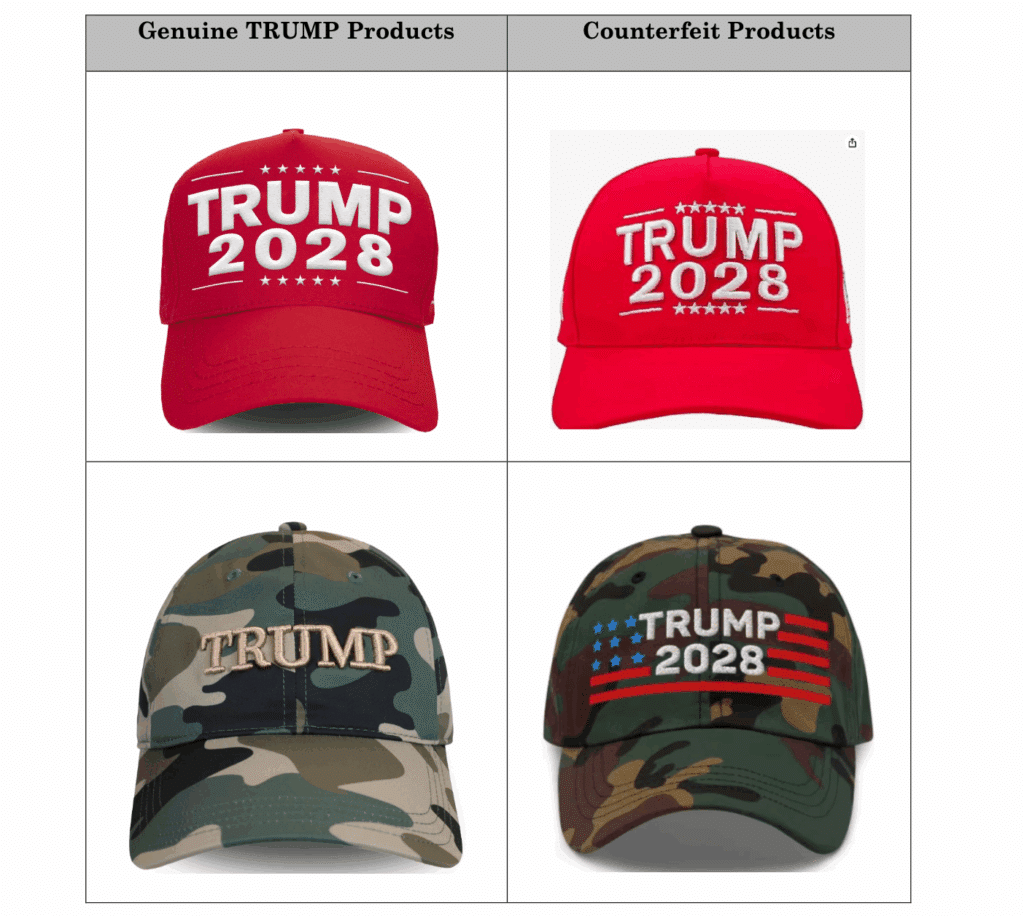
From MAGA hats and apparel to campaign slogan and TRUMP trademark-emblazoned mugs, flags, watches, and sneakers, the company has cultivated a politically charged retail arm that stretches far beyond traditional campaign fundraising.
The official Trump Store, positioned as the sole authorized outlet for this growing collection of consumer goods, functions not only as a commercial venture; it is also a key vehicle for reinforcing the Trump brand’s political presence – making trademark enforcement an essential part of maintaining its message, as well as its ability to serve as an indicator of source in the minds of consumers.
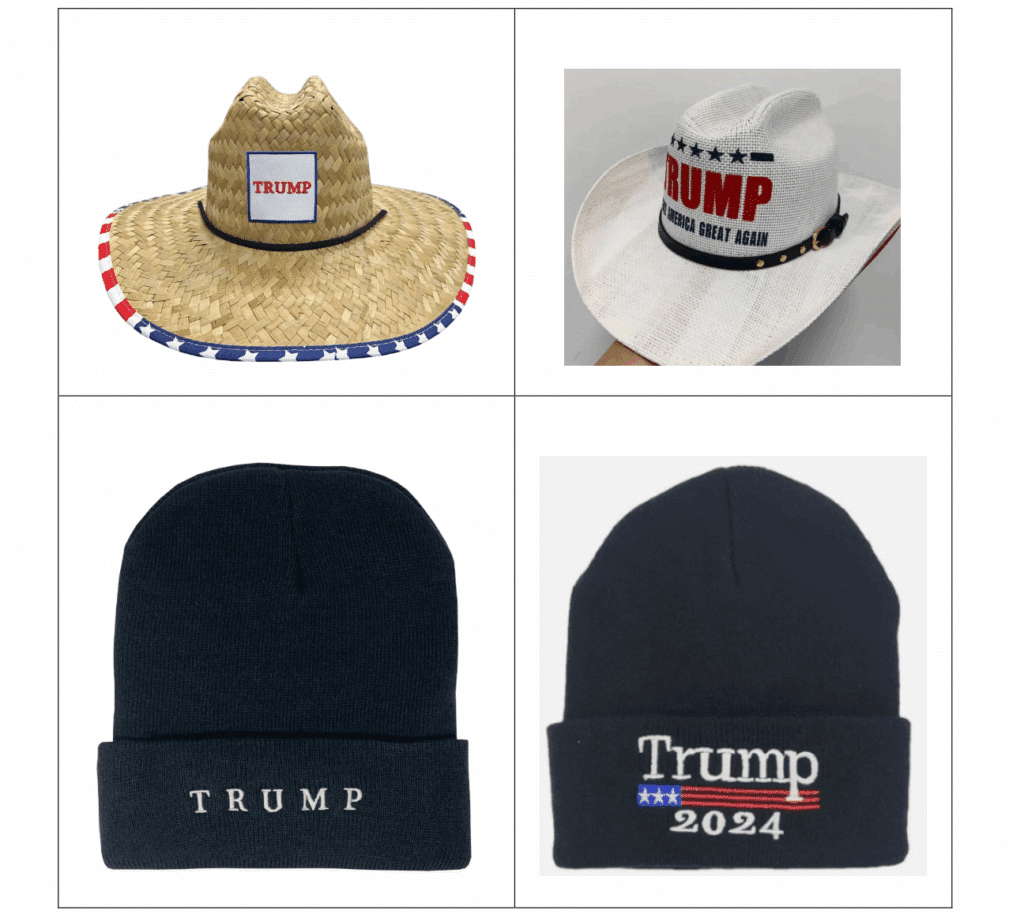
The products at the heart of the lawsuit reflect the broader shift in TRUMP brand positioning. The counterfeits in question target the political dimension of the TRUMP brand – not its legacy in hospitality or real estate. There are no bootleg Trump National Golf Club polos or fake Mar-a-Lago hats here. The lawsuit centers on unauthorized items that trade on Trump’s political persona, including knockoff MAGA hats and T-shirts featuring the TRUMP name alongside slogans like “Keep America Great” and campaign-style imagery – design elements the Trump Organization says are intended to falsely suggest endorsement or affiliation with its official political operations.
And that is, of course, the problem. As the Trump Organization asserts in its complaint, the proliferation of counterfeits undermines this network of authorized offerings and misleads consumers as to the nature/source of the copycat wares.
The Politics of IP
The lawsuit lands amid broader debates about the limits of liability for marketplace platforms where counterfeits have flourished and the growing use of trademark litigation to enforce not just consumer protection principles but brand control over politically charged IP. As political brands – like TRUMP – continue to blur the lines between campaign identity and commercial enterprise, the risks of infringement and the need for enforcement are on the rise, as well.
The case is The Trump Organization LLC v. The Individuals, Corporations, Limited Liability Companies, Partnerships, and Unincorporated Associations Identified on Schedule A, 8:25-cv-01962 (M.D. Fla.).
Share