

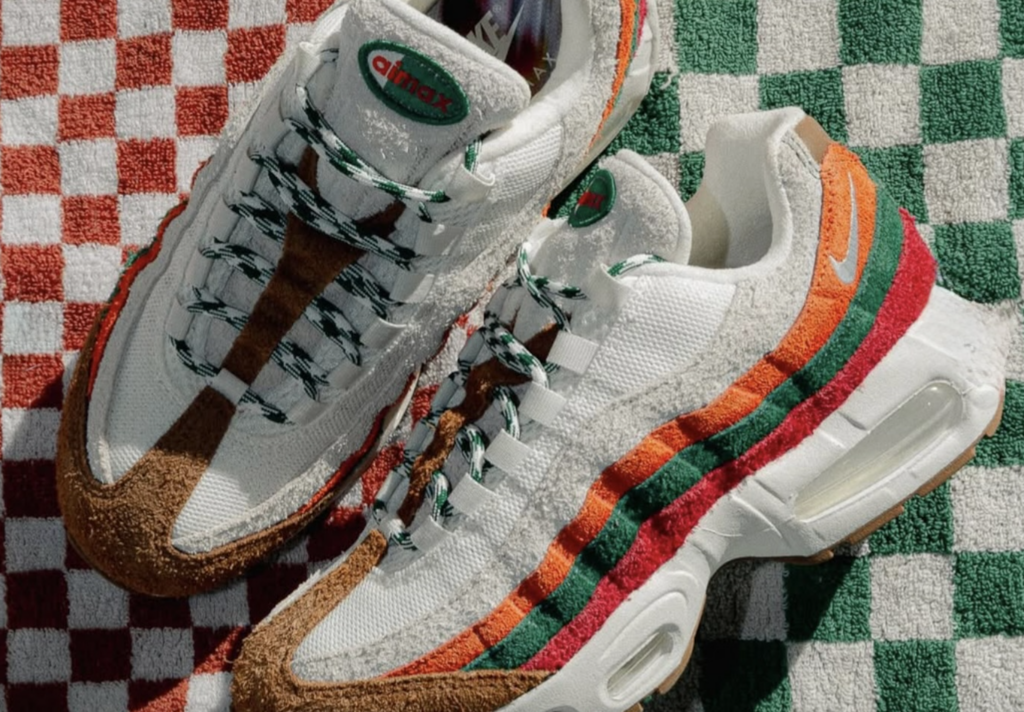
Nike has been hit with a new trademark lawsuit from 7-Eleven over a forthcoming Air Max 95 sneaker that the convenience store giant claims deliberately appropriates its iconic orange, green, and red “Tri-Color Mark.” In a newly-filed lawsuit, 7-Eleven alleges that Nike’s planned July 11 release infringes and dilutes its longstanding trademark rights in the distinctive combination of orange, green, and red horizontal stripes that has appeared on its stores, branding, and merchandise for decades.
According to the complaint that 7-Eleven filed on July 1 in the U.S. District Court for the Northern District of Texas, the allegedly infringing Nike sneaker bears a “confusingly similar imitation” of that stripe pattern and is scheduled to launch on July 11 – better known as “7/11 Day” or “Free Slurpee Day” – a release date that the company contends further demonstrates Nike’s deliberate attempt to associate the shoe with its brand. The complaint points to Nike’s SNKRS app, which lists the shoe’s release for July 11, as further evidence that the launch was intentionally timed to evoke 7-Eleven.
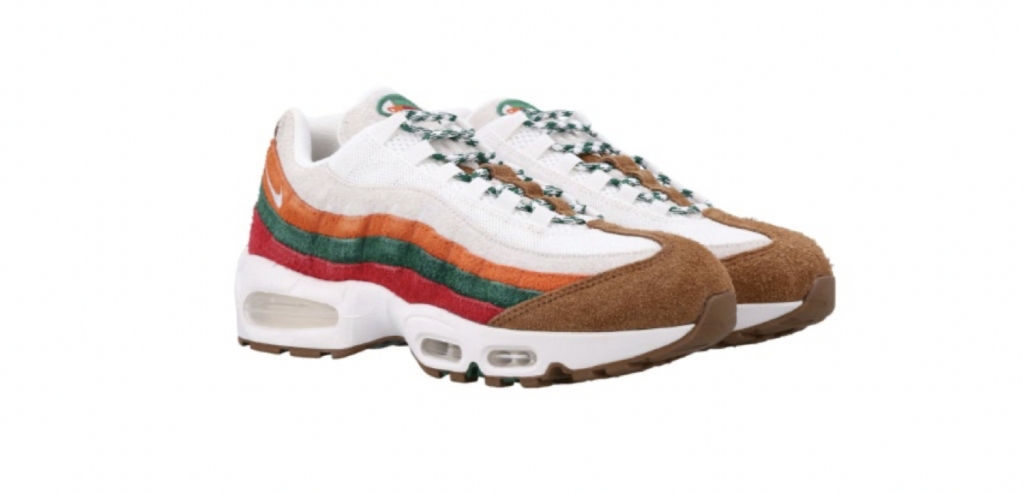
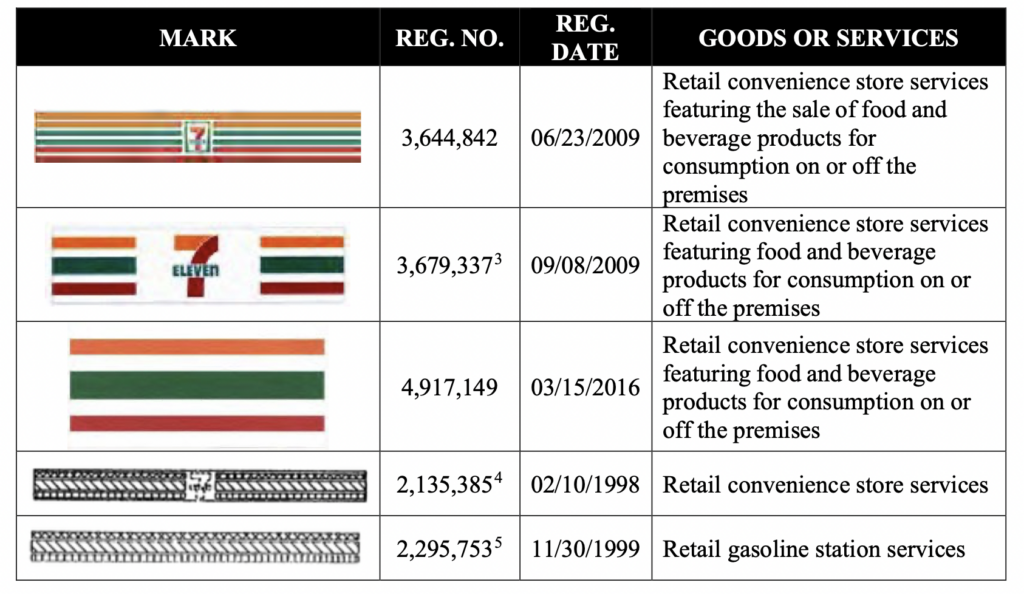
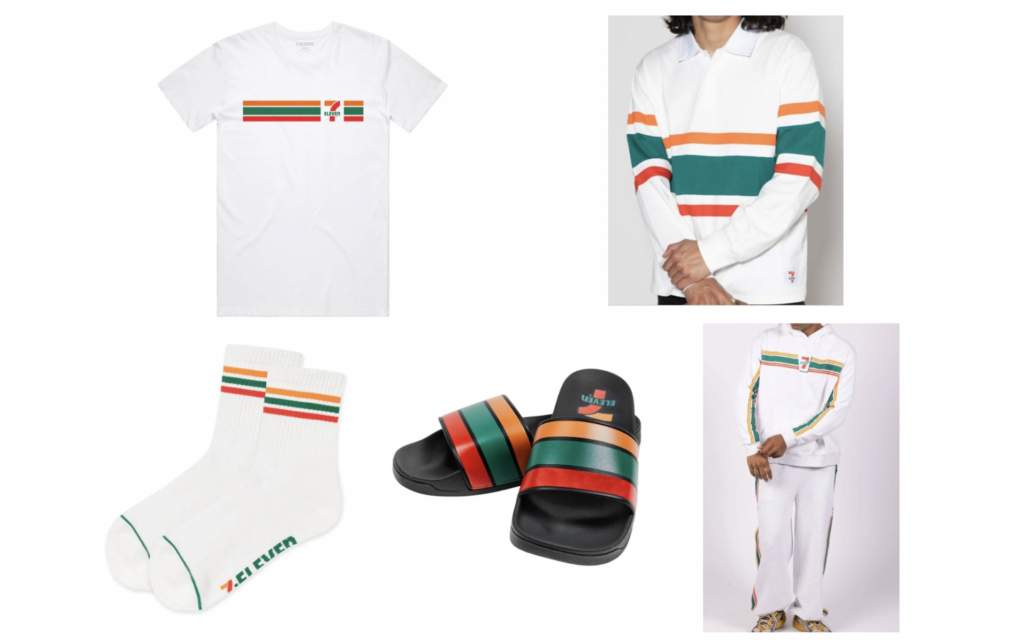
The convenience store company argues that it has used its distinctive orange, green, and red stripe pattern – what it calls its “Tri-Color Mark” – in commerce since at least 1987 and that the design is protected by both longstanding common law rights and multiple federal trademark registrations. Beyond storefront signage, 7-Eleven says it has long used the design across apparel, footwear, and accessories and has collaborated with brands including Crocs, DGK, Sunday Golf, and Breezy Golf, which it argues has led consumers to expect that products bearing the stripe pattern are authorized by or affiliated with the company.
Building a Case for Consumer Confusion
In furtherance of its trademark claims, 7-Eleven relies heavily on evidence that sneaker media and consumers have already linked the allegedly infringing Nike shoe to its brand. For instance, 7-Eleven cites coverage describing the colorway as a “7-Eleven” sneaker or an “homage” to the convenience store chain. It also points to product listings that allegedly identify the model as the “7-Eleven” Air Max 95, arguing that such references demonstrate actual consumer confusion regarding sponsorship or affiliation.
The company contends that Nike intentionally sought to capitalize on the goodwill associated with its branding by adopting a color combination that consumers immediately recognize as identifying 7-Eleven.
7-Eleven also highlights its history of licensing its branding for collaborations with footwear and lifestyle companies, arguing that consumers have come to expect products bearing its signature stripe pattern to be officially authorized. Against that backdrop, the company maintains that Nike’s use of a similar stripe pattern is particularly likely to create confusion regarding sponsorship or endorsement.
Color Marks, Brand Identity & Consumer Perception
The case centers on an intriguing issue in the trademark realm: when can colors or design elements function as source identifiers independent of a word mark or logo? 7-Eleven’s claims focus on its asserted trademark rights in the Tri-Color Mark – a distinctive combination of orange, green, and red horizontal stripes that it says consumers recognize as identifying a single commercial source. The retailer claims that decades of exclusive use have caused consumers to associate the stripe pattern itself – not merely the 7-Eleven name – with the company. It further alleges that the Tri-Color Mark is nonfunctional, inherently distinctive, and famous.
Against that background, 7-Eleven asserts claims for federal trademark infringement, false designation of origin, trademark dilution, common law trademark infringement and unfair competition, trademark infringement under Texas law, unfair competition by misappropriation, and trademark dilution under Texas law. The company is seeking a permanent injunction blocking Nike from selling the sneakers, along with Nike’s profits, compensatory and enhanced damages, attorneys’ fees, and other relief.
THE BIGGER PICTURE: The dispute underscores how some of the most valuable trademarks today are no longer words or logos alone, but visual shorthand. As brands look to build equity in distinctive color combinations, stripe patterns, and other nontraditional branding elements, a growing body of litigation is testing when those design features have acquired trademark significance – and where courts will draw the line between lawful inspiration and trademark infringement.
The case is 7-Eleven, Inc. v. Nike, Inc., 3:26-cv-02201 (N.D. Tex.).
Share