

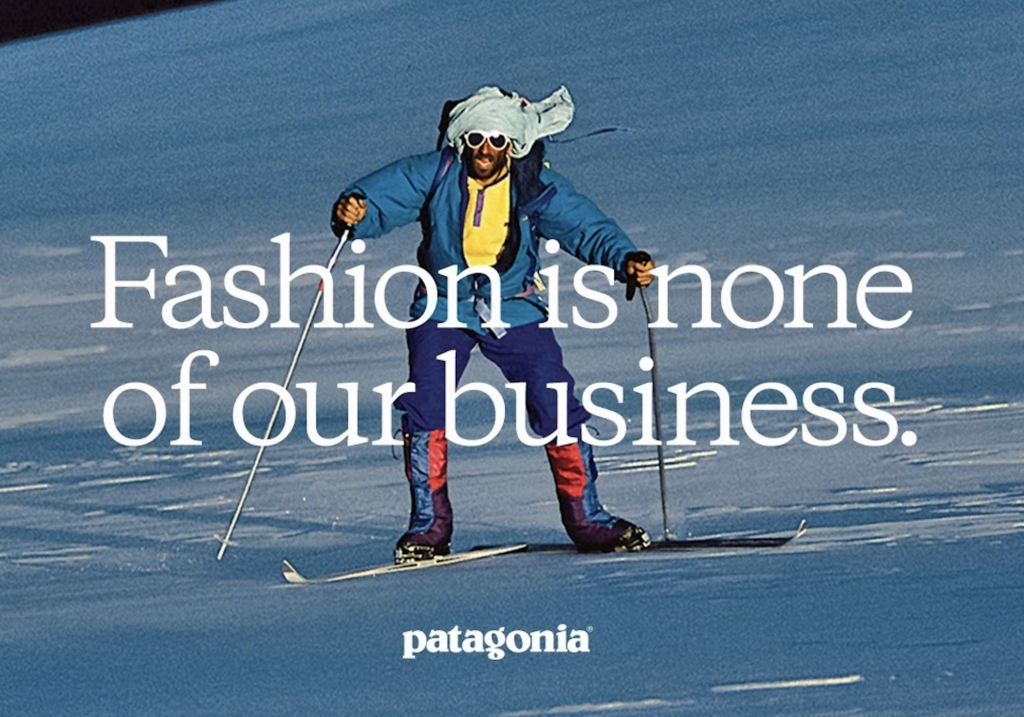
Patagonia is asking a federal court to rule that Pattie Gonia infringed its trademarks by turning a playful reference to the outdoor apparel company into a commercial business trading on its name and reputation. In a motion for partial summary judgment, first reported by TFL, Patagonia alleges that Wyn Wiley – the drag performer and environmental activist known as Pattie Gonia – used the name and logos resembling its own to sell merchandise and promote commercial activities, creating a likelihood of confusion about Patagonia’s sponsorship or affiliation.
Patagonia seeks judgment in its favor on trademark infringement and against Pattie Gonia’s laches defense, which alleges that the company waited too long to sue.
From Drag Persona to Commercial Wares
Wiley adopted the Pattie Gonia name in 2018 for a drag persona associated with outdoor recreation and environmental advocacy. According to Patagonia’s November 11 motion, the company met with Wiley in 2022 over a proposed Hydro Flask collaboration. Patagonia says it agreed not to oppose the collaboration but communicated restrictions on using the Pattie Gonia name on products or imitating its logos and typeface.
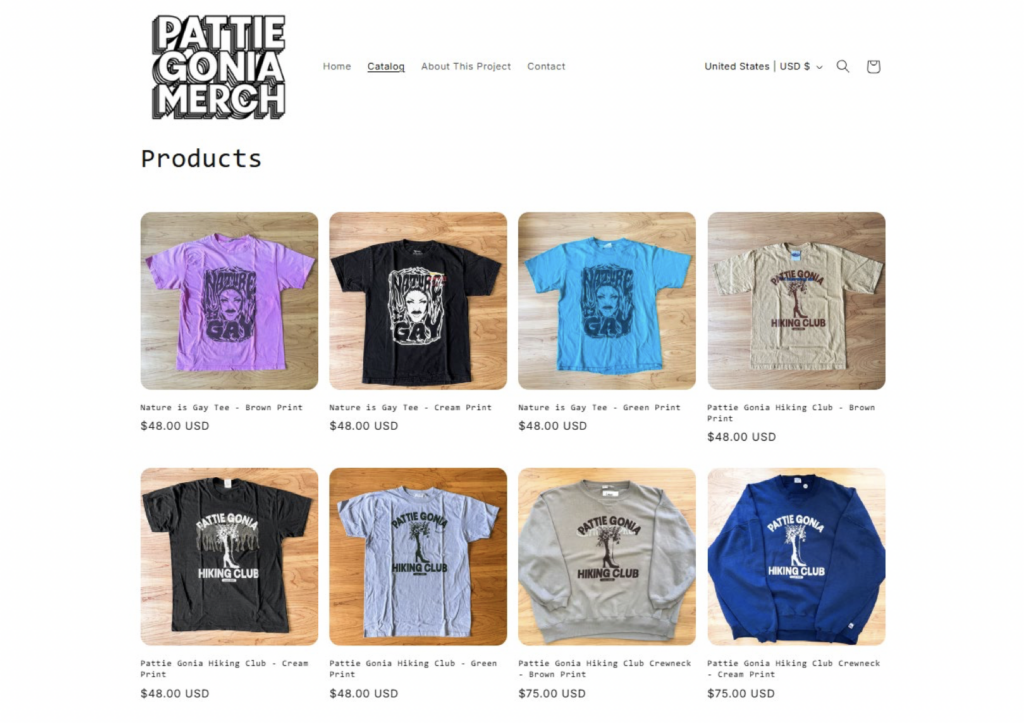
By December 2024, Patagonia says it had discovered merchandise bearing “PATTIE GONIA HIKING CLUB” and designs allegedly imitating its mountain logo. Patagonia objected in February 2025. That September, Pattie Gonia applied to register its name as a trademark for goods and services that Patagonia says overlap with its own.
Patagonia sued in January 2026, asserting trademark infringement and dilution claims. It cites similarities between the parties’ branding and commercial activities, along with expert surveys finding net confusion rates of 34 percent for Pattie Gonia stickers and 24 percent for a sweatshirt. Patagonia also points to social media comments and Pattie Gonia’s partnerships with The North Face and Back Market as evidence supporting its claims of likely confusion about sponsorship or affiliation.
The Trademark Limits of Parody
Patagonia argues that Pattie Gonia’s use of the name and allegedly imitative logos is subject to ordinary trademark infringement analysis, notwithstanding the performer’s origins as a parody. The company relies on the Supreme Court’s 2023 decision in Jack Daniel’s Properties v. VIP Products, which held that the heightened First Amendment threshold test established under Rogers v. Grimaldi does not apply when a defendant uses a challenged designation as a trademark to identify the source of its own goods. Such uses are subject to the ordinary likelihood-of-confusion analysis, even when they convey humor or commentary.
Patagonia maintains that Pattie Gonia uses its name and logos to identify and promote commercial goods and services, rather than solely as elements of an expressive persona. It cites merchandise sales, commercial partnerships, and the application to register PATTIE GONIA as a trademark to support that position.
Commercial parody, however, is not automatically infringing. Under Jack Daniel’s, the parodic character of a trademark use remains relevant to the likelihood-of-confusion analysis, including whether consumers are likely to be confused about source, sponsorship, or affiliation. Patagonia maintains that its survey evidence, the similarities between the parties’ branding, and their overlapping commercial activities establish a likelihood of confusion. Wiley disputes the infringement allegations.
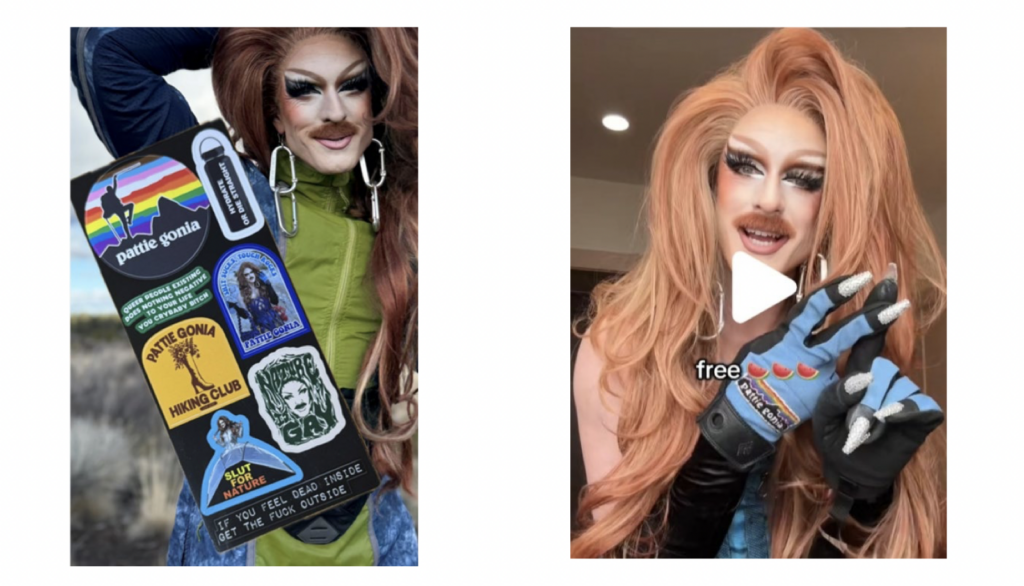
Patagonia is also being deliberate about the scope of its requested ruling. Its proposed order expressly excludes expressive activities, including drag appearances and noncommercial speech, focusing instead on Pattie Gonia’s commercial trademark uses. By drawing that distinction, Patagonia is seeking to establish infringement without asking the court to restrict Wiley’s continued use of Pattie Gonia as an expressive identity.
The company also invokes the doctrine of progressive encroachment to counter Pattie Gonia’s laches defense. Although it knew about the performer as early as 2019, Patagonia argues that its claims became actionable as Pattie Gonia expanded into allegedly infringing commercial activities. It maintains that its delay was reasonable and that the defendants cannot establish the unreasonable delay and resulting prejudice required for laches.
THE TAKEAWAY: The court’s ruling could clarify how Jack Daniel’s applies when a parody evolves into a commercial brand. For Patagonia, the question is whether Pattie Gonia’s use of its name and logos is likely to confuse consumers about sponsorship or affiliation. For Wiley, the stakes extend to the ability to commercialize an identity built around a recognizable reference to another company’s brand.
The case is Patagonia, Inc. v. Entrepreneur Enterprises, Inc., 2:26-cv-00586 (C.D. Cal.).
Share