


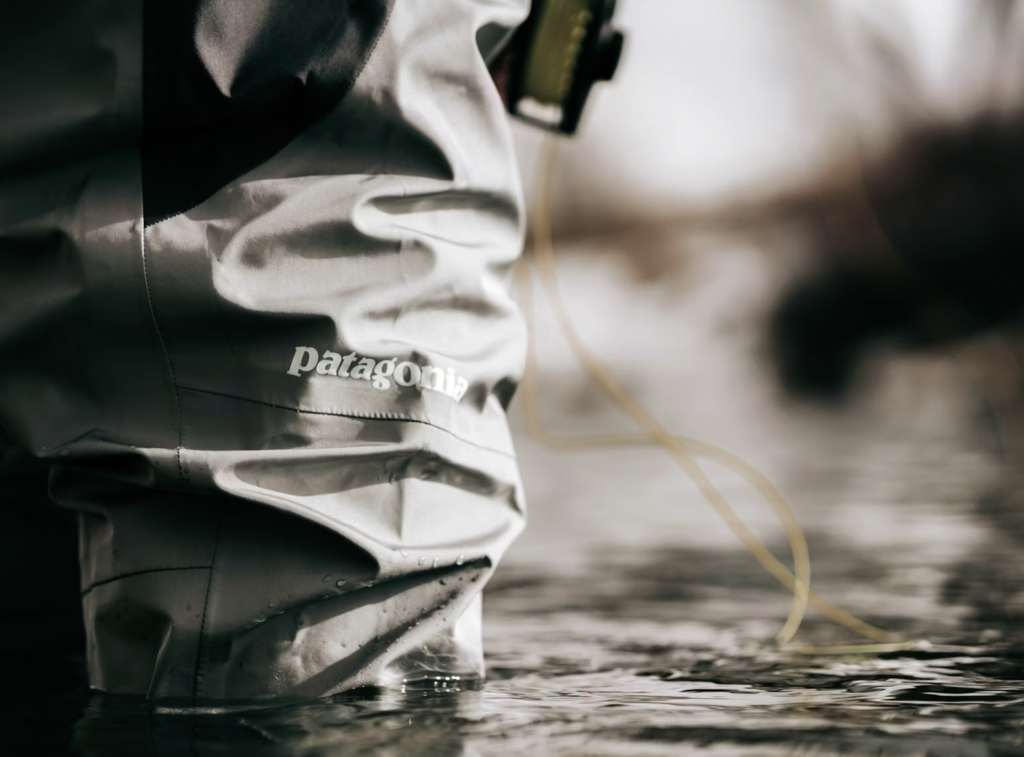
Patagonia has built one of the most distinctive brands in the modern apparel industry, embedding activism into its identity for decades. From its “Don’t Buy This Jacket” campaign and its Worn Wear initiative to its decision to transfer ownership of the business to an entity designed to direct profits toward environmental causes, Patagonia has long championed the idea that commerce can be used to further a broader mission. Now, its dispute with environmental activist and drag performer Pattie Gonia tests what happens when that mission-driven model collides with trademark enforcement.
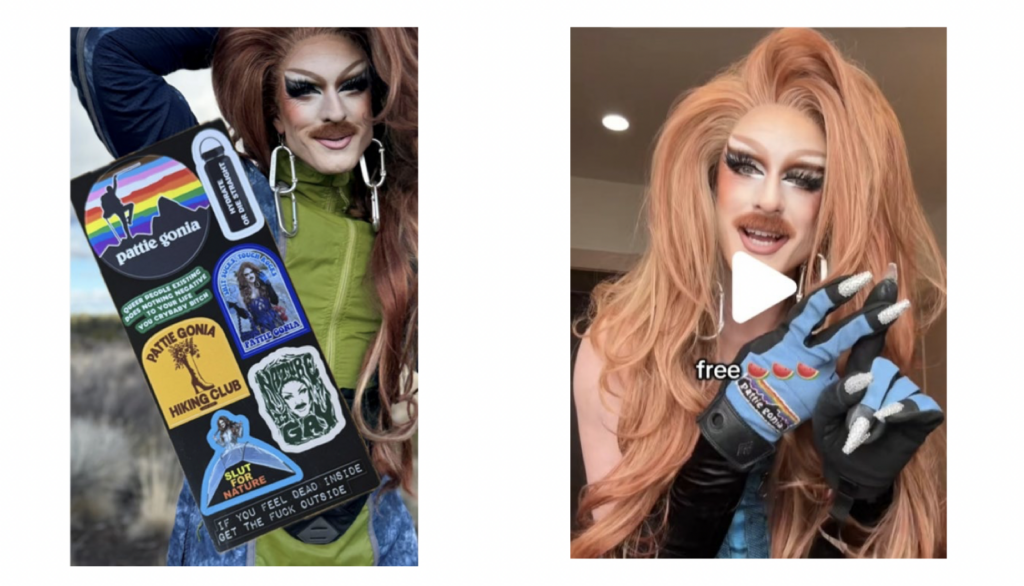
The lawsuit, filed in federal court in California in January, centers on Patagonia’s allegations that Pattie Gonia expanded beyond advocacy and into commercial activities that create consumer confusion and infringe its trademark rights. According to Patagonia, what began as the use of a persona in connection with advocacy evolved into a broader commercial enterprise involving merchandise sales, trademark filings, and goods and services that overlap with its own.
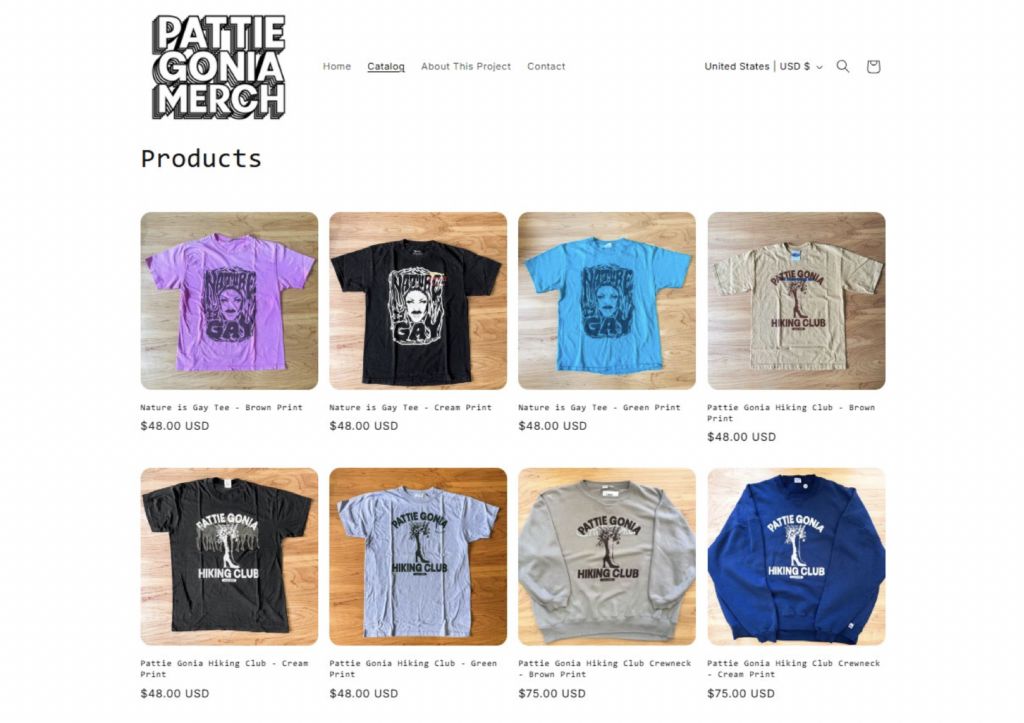
The company further contends that those activities conflict with a 2022 agreement under which Pattie Gonia confirmed that she would “refrain from selling PATTIE GONIA-branded products.” Patagonia points to Pattie Gonia’s trademark application as evidence of that shift, alleging that it “reflects [her] departure from discrete use of a persona to engage in activism and confirms [her] intent instead to launch a wide-ranging commercial enterprise under the PATTIE GONIA brand.”
Pattie Gonia sees the dispute differently. Publicly, the performer has framed the lawsuit as an effort to strip her of the name and identity underlying years of advocacy. Legally, she has asserted affirmative defenses including lack of likelihood of confusion, acquiescence, estoppel, unclean hands, fair use, and First Amendment protections.
The Paradox of Values-Based Enforcement
What sets this case apart from other trademark infringement matters is not necessarily the claims themselves. Trademark owners routinely point to alleged violations of prior agreements and unauthorized expansion into overlapping categories of goods and services as the basis for infringement claims. And cases like Rogers – and more recently, Jack Daniel’s – demonstrate that courts have long grappled with the line between protected expression and commercial use.
The notable element here is the extent to which Patagonia has made its values inseparable from its brand identity. Patagonia has positioned itself not merely as an apparel company but as a model of environmental advocacy and “philathro-capitalism.” One consequence of those efforts is that the same values that generate goodwill for Patagonia also shape how consumers interpret the company’s conduct, making legal actions like this one as much about reputation as rights.
The result is a paradox. While the lawsuit raises questions about where advocacy ends and commercial brand-building begins, much of the reaction to the case has focused less on those legal issues than on whether Patagonia’s decision to sue is consistent with the values it has spent decades promoting. Calls for consumer boycotts and criticism from activists and Patagonia customers, alike, reveal the extent to which the matter is being viewed not merely as a trademark case, but as a test of the company’s commitment to the principles that have become central to its brand identity.
THE BOTTOM LINE: Patagonia’s lawsuit is ostensibly a trademark dispute. The reaction to it, however, suggests that many consumers view it as something more: a test of whether a company that has built its reputation on activism and environmental stewardship can enforce its trademark rights without inviting scrutiny of the values it promotes. With that in mind, the case highlights a broader reality for mission-driven companies.
While values-based branding can generate significant goodwill, it can also make enforcement efforts more complicated by encouraging consumers to evaluate legal decisions through the same lens that helped build the brand in the first place.
The case is Patagonia, Inc. v. Entrepreneur Enterprises, Inc., 2:26-cv-00586 (C.D. Cal.).
Share