

The decades-long conflict over the Polo brand in South Africa is nearing a resolution. A market regulator has given the green-light to Ralph Lauren Corporation’s bid to acquire the South African Polo brand from an unaffiliated third party, which has been operating under the Polo name since the 1970s. In a clear example of how territorial trademark laws can complicate global brand strategy, the deal brings an end to nearly fifty years of parallel branding, formally integrating the South African market into Ralph Lauren’s global portfolio – though not without potential challenges tied to existing consumer perception.
The Polo-centric clash got its roots back in 1967 when Ralph Lauren introduced Polo by Ralph Lauren in the United States and quickly registered its iconic horse-and-rider logo with various global trademark offices. However, by the time the brand looked to expand into South Africa, LA Group had already secured local rights to the “Polo” mark for apparel, filing a trademark application in 1976 and establishing a retail presence in the region. Under South African trademark law, territorial registration trumped global recognition, effectively preventing Ralph Lauren from entering the local market under its own name.
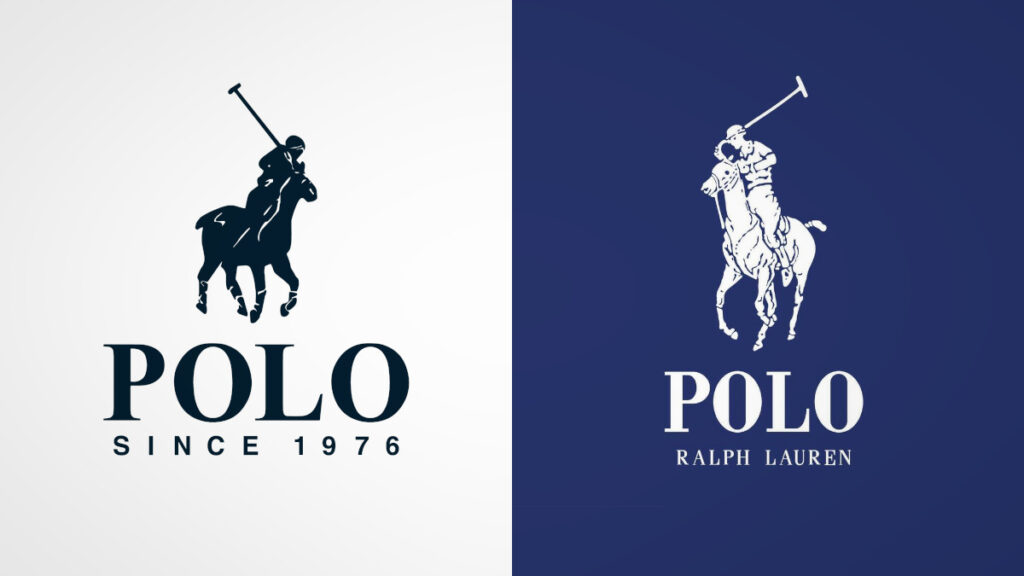
Despite efforts to challenge the LA Group’s Polo mark as early as 1977, Ralph Lauren was unsuccessful, and the result made for a peculiar status quo: South African consumers encountered the Polo brand, which looked and sounded like Ralph Lauren, but was entirely separate – designed, sourced, and marketed by a domestic company with no commercial connection to the American fashion house.
A Complex Legal History Behind the Brand
The parties’ longstanding trademark impasse not only limited Ralph Lauren’s ability to operate under its own name in South Africa but also gave rise to years of legal complexity around the Polo brand. The conflict stemmed from what the court later acknowledged as a long-standing coexistence agreement between Ralph Lauren and LA Group, under which the American company was permitted to use the POLO trademark solely for cosmetics and fragrances in South Africa. LA Group, meanwhile, retained rights to use a near-identical mark, including the polo player logo, on clothing and related goods.
In 2020, Ralph Lauren’s local licensee, Stable Brands, applied to cancel more than 40 Polo-related trademarks held by LA Group, citing lack of distinctiveness, non-use, and the likelihood of confusion. The contested marks – many of which incorporated the Polo name or equestrian iconography – spanned a broad array of goods and services.
While a lower court initially granted the cancellations, the Supreme Court of Appeal partially overturned that decision in 2022. In a mixed ruling, the court upheld LA Group’s core apparel-related trademarks, citing longstanding commercial use dating back to the 1970s – including high-profile endorsements such as garments made for former President Nelson Mandela and sponsorship of national sporting events. However, some non-core registrations were cancelled or remain vulnerable, particularly in categories where evidence of use was limited or absent.
Brand Control and Consumer Expectations
Fast forward to 2025, and Ralph Lauren and LA Group announced a deal that will see Ralph Lauren Corporation acquire all rights, title, and interest in the South African Polo trademarks, including associated intellectual property, retail operations, and inventory assets. The financial terms of the transaction remain undisclosed.
The regulatory approval removes a significant legal barrier to Ralph Lauren’s ability to operate under its own brand in South Africa, but it also initiates a shift in how the Polo brand will be positioned in the market. For decades, South African consumers have purchased Polo products under the assumption that they were connected to the U.S. fashion house. The goods were legitimate, sold through established retail channels, and marketed to resonate with fashion-focused consumers.
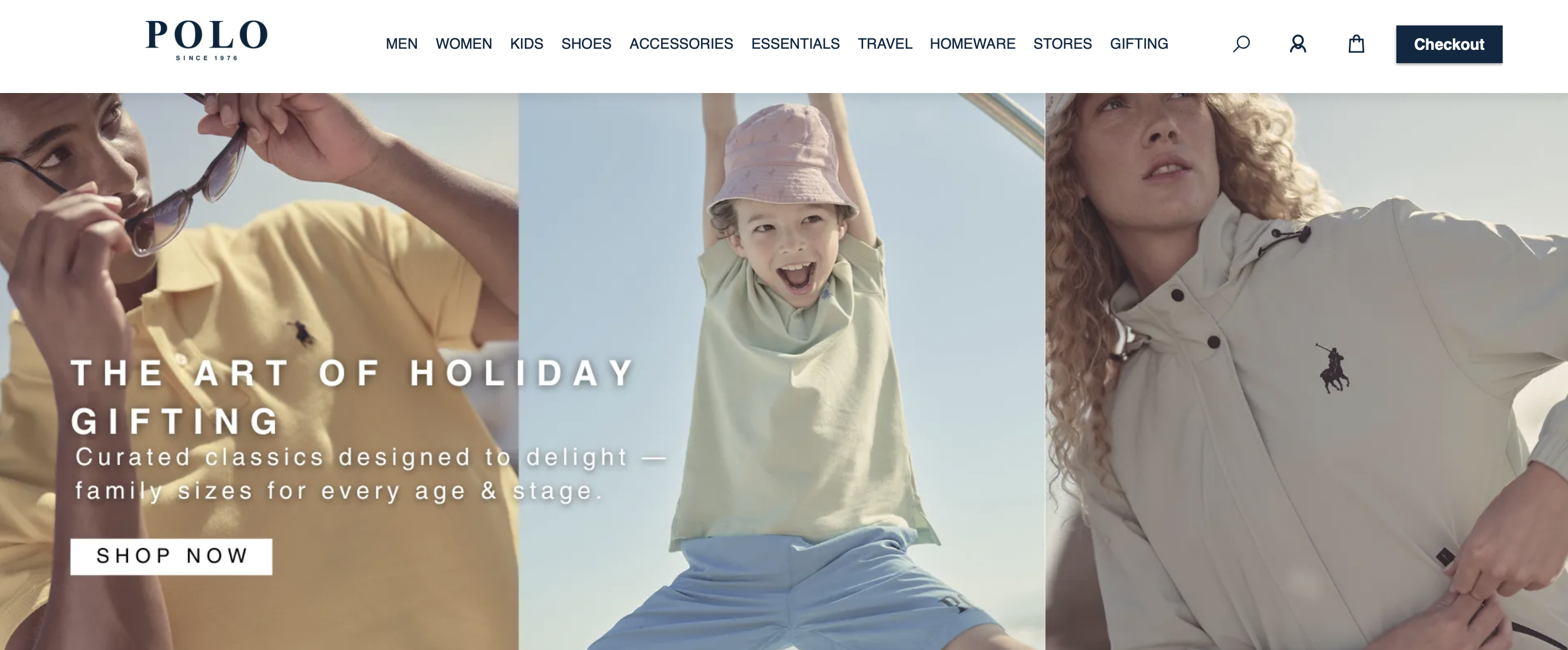
In reality, the South African Polo brand was independently owned by LA Group, operating under a locally registered trademark with no formal relationship to Ralph Lauren. With the acquisition, Ralph Lauren gains control of the name, logo, and product rights, but also assumes responsibility for a consumer base that has interacted with the brand in a different context.
Although the transaction resolves long-standing trademark issues, it also presents a transition in market identity. The brand that South African consumers have known for nearly 50 years will now be part of a global portfolio – a change that may affect expectations around product, pricing, and retail strategy.
The Broader IP Landscape
The Polo dispute underscores a persistent issue in international trademark law: the mismatch between global brand building and country-specific registration regimes. Although mechanisms like the Madrid Protocol have made it easier to pursue international protection, historical registrations remain entrenched in many jurisdictions, and coexistence arrangements – or outright conflicts – still arise.
For brand owners, this case illustrates the limits of enforcement and the practical necessity of acquisition when litigation fails. For regulators, it raises important questions about how public interest conditions – like employment protection – can be used to balance economic development with foreign corporate control.
But for consumers, the questions are more personal: Will the product change? Will prices increase? And will they view the brand as the same Polo they have known for decades?
Share