

Over the past decade, countless brands traded character for clarity, swapping heritage for hyper-legibility in a rush to appear modern and “digital first.” In furtherance of a larger “blanding” trend, serif logos gave way to generic sans-serifs, and bold color palettes were largely wiped clean. In the tech space, in particular, distinct identities blurred into one another in a sea of lowercase word marks and minimalist design. The goal was accessibility, digital scalability, etc. – but the result was often visual uniformity.
Now, it seems the scales are tipping back. Companies that once stripped their branding of depth and heritage (as part of the larger wave of “blanding” efforts) are starting to reverse course, undoing their own subdued rebrands … or re-blands. They are rediscovering the power of specificity: layered typography, richer palettes, and design languages rooted in tradition and craft.
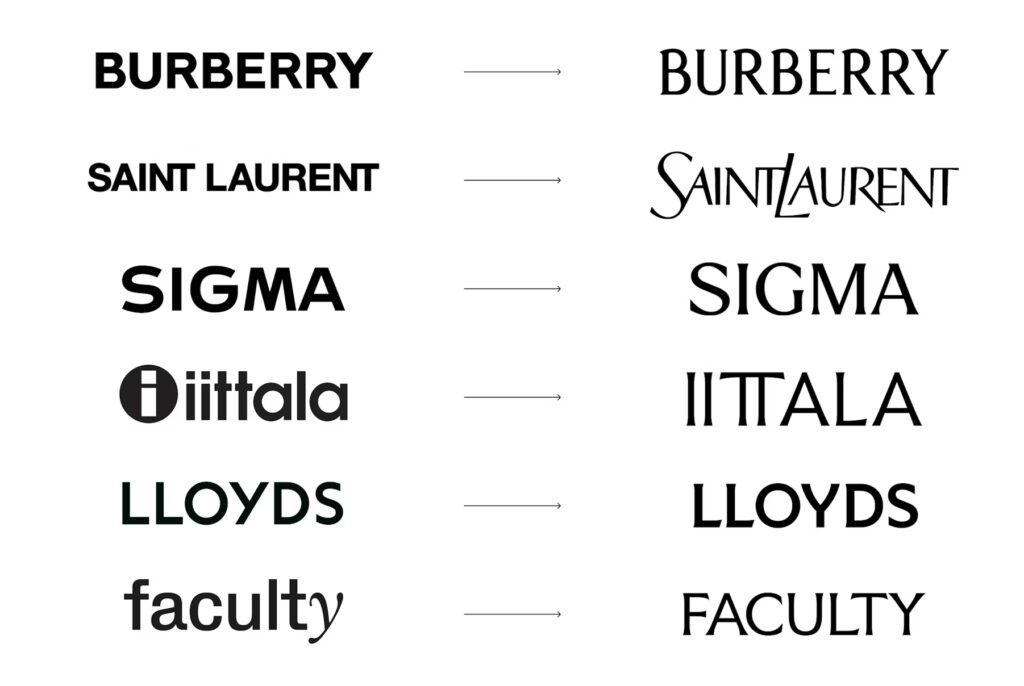
“Could formality – tradition, cultural specificity and maturity make a comeback in design?,” Mother Design’s design director Alec Mezzetti asked recently. “The early signs of this counter-revolution can be seen across the world of branding and advertising, where friendly colors, hyper-legible text and digital optimization are starting to make way for richer tones, serifs and a de-prioritization of digital scalability.”
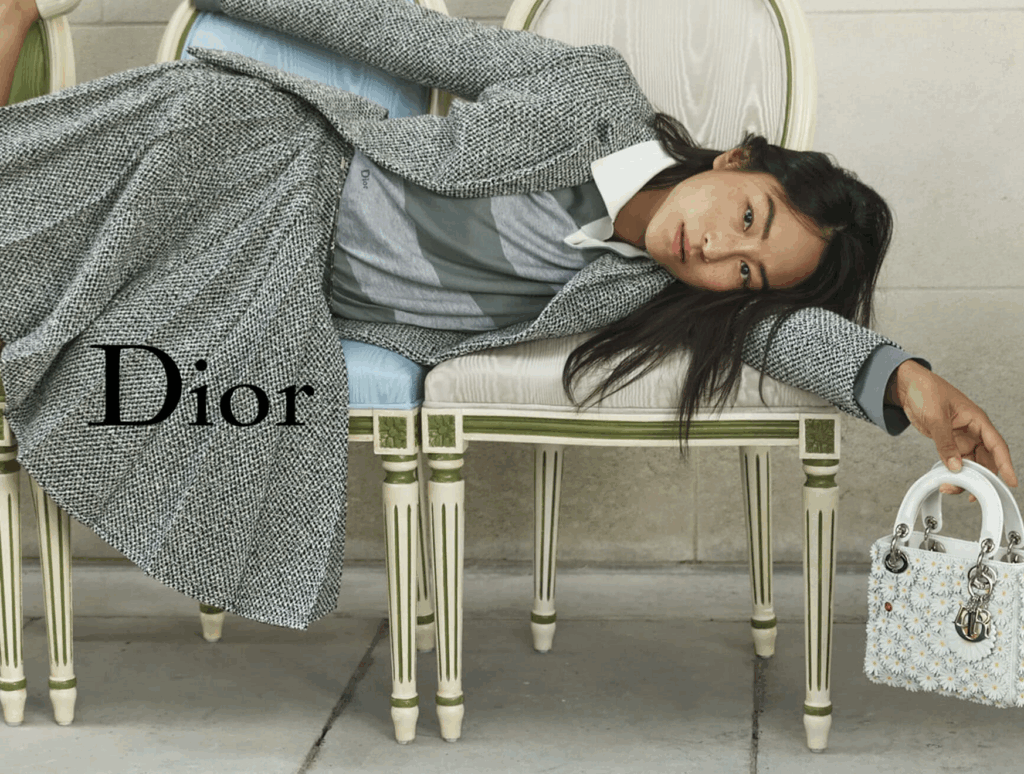
In the luxury space, in particular, two of the most highly anticipated creative directors debuts this season, Jonathan Anderson at Dior and Matthieu Blazy at Chanel, show that the pendulum is firmly swinging again from a branding POV. As we reported earlier this week, Anderson restored Dior’s original 1946 Cochin-based word mark, replacing the recent all-caps logo with a more historic, handwritten-feeling form to signal a return to heritage. Meanwhile, Matthieu Blazy reintroduced Chanel’s early cursive signature script, quietly reviving a founder-era typographic style as a subtle declaration of his vision for the house.
It seems that brands across industries, including fashion/luxury, are waking up to the fact that abandoning their own established aesthetics in order to look like everyone else is no longer a competitive advantage (or better yet, maybe never was).
Updated
November 7, 2025
This article was initially published on April 29, 2025, and has been updated to reflect branding changes at Dior and Chanel.
Share