

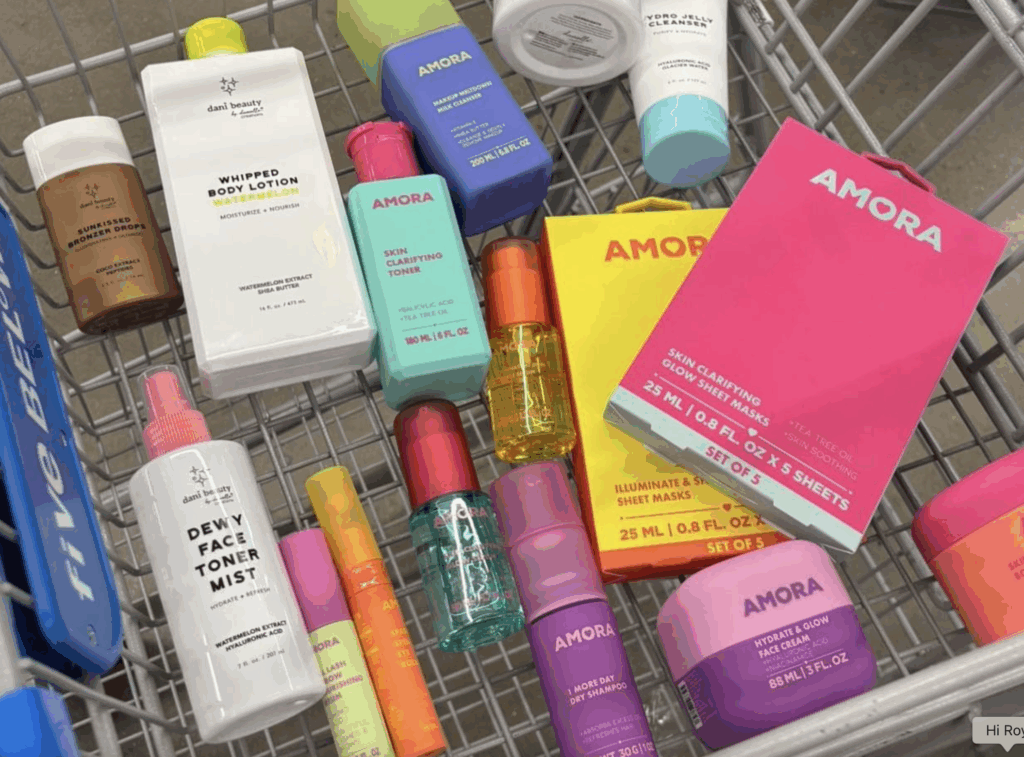
Five Below’s rise as a destination for low-cost, trend-driven products has made it one of the most visible players in value retail. But the same merchandising model now sits at the center of a growing wave of intellectual property litigation, as brands move to challenge products they say cross the line from inspiration into unlawful copying. In recent months alone, Five Below has been sued over alleged knockoffs spanning drinkware, beauty, collectibles, seasonal décor, and jewelry – signaling how broadly dupe culture now cuts across categories where design, packaging, and product configuration are legally protected.
What distinguishes the current slate of cases is not simply their volume, but the nature of the claims – from design patent infringement and trade dress infringement to copyright claims tied to sculptural works and consumer collectibles. Together, they reflect the mounting tension between fast-cycle value retail and the legal boundaries of imitation.
Dupes Meet Design Rights
Several of the pending disputes involve categories where product configuration and packaging function as primary brand identifiers – and where intellectual property protection is often layered across design patents, trade dress, and other trademark rights. In one lawsuit, Pacific Market International accuses Five Below of infringing design patents and trade dress protecting the ornamental features and overall configuration of its Stanley 1913’s Quencher and IceFlow tumblers. The plaintiffs allege that products sold under names such as Hyperquench, Hydraquench, HydraSip, and Hydrachug mimic the distinctive shape, proportions, and visual elements of Stanley’s drinkware.
According to the complaint, Five Below continued selling – and expanded – the accused product line after receiving a detailed demand letter outlining the alleged violations, supporting claims of willful infringement. If sustained, those allegations raise the stakes beyond injunctive relief, potentially opening the door to enhanced damages and broader remedies.
A parallel risk profile emerges in Supergoop’s lawsuit, which pushes dupe litigation into the realm of beauty and skincare, where packaging frequently serves as a central source identifier. In a lawsuit filed in June 2025, Supergoop alleges that Five Below’s private-label “SUGARGIRL!” sunscreen copies the look and feel of its packaging, including bottle shapes, color schemes, logo styling, and the placement of product information. Supergoop further argues that Five Below mimicks its registered GLOWSCREEN mark with a competing product called “GLOWY FACE SCREEN.”
According to Supergoop, the products were manufactured by Five Below’s private-label supplier and sold exclusively through Five Below stores and continued to be sold after a demand letter was sent. Supergoop is seeking injunctive relief, damages, and disgorgement of profits, and alleges willful conduct – placing Five Below’s private-label governance and supplier oversight squarely in the litigation frame.
The Copyright Front
Beyond core consumer brands, Five Below is also facing enforcement from companies whose value lies in creative expression and collectible appeal rather than mass-scale branding. Dreams USA, Inc., which sells SONNY ANGEL® collectible toy figures, maintains that Five Below sold figurines and packaging that copy the copyrighted design and visual expression of its long-running toy line. In its November 2025 complaint, Dreams USA contends that Five Below’s buyers sought to become authorized Sonny Angel retailers and visited Dreams’ booth at industry trade shows, but after those efforts failed, the retailer sourced lookalike products.
Dreams identifies multiple accused figurine styles and alleges that the products are substantially similar to the protected designs and function as market substitutes for authentic Sonny Angel collectibles.
In another case, lodged in a Texas federal court in September 2025, Seasons (HK) Ltd. and Seasons USA, Inc. accuse Five Below of selling Halloween decorations that allegedly copy its copyright-protected skeleton-themed sculptural designs. Seasons claims that Halloween represents its most commercially significant sales period and that the accused products threaten the core of its business. The company also notes that it has previously enforced the same copyrights against other mass retailers, with several actions resulting in agreed injunctions barring future sales of infringing products.
Still yet, Five Below’s litigation exposure reaches into accessories. In a separate action filed in September 2025, Von Erickson Laboratories LLC alleges that Five Below sold identical copies of an original jewelry design created in 2009 and registered with the U.S. Copyright Office. Von Erickson, which claims to be the successor in interest to the original copyright holder, alleges that the lower-priced copies diluted its market and harmed its business.
THE BOTTOM LINE: Five Below’s momentum reflects how effectively dupe culture converts trend discovery into impulse purchasing across categories. But the expanding slate of intellectual property lawsuits now targeting its lookalike products underscores the legal limits of that model. As courts continue to refine where inspiration ends and infringement begins, Five Below’s cases may become a public record of how dupe-driven retail collides with intellectual property enforcement – and where the boundaries of imitation ultimately settle.
Share