

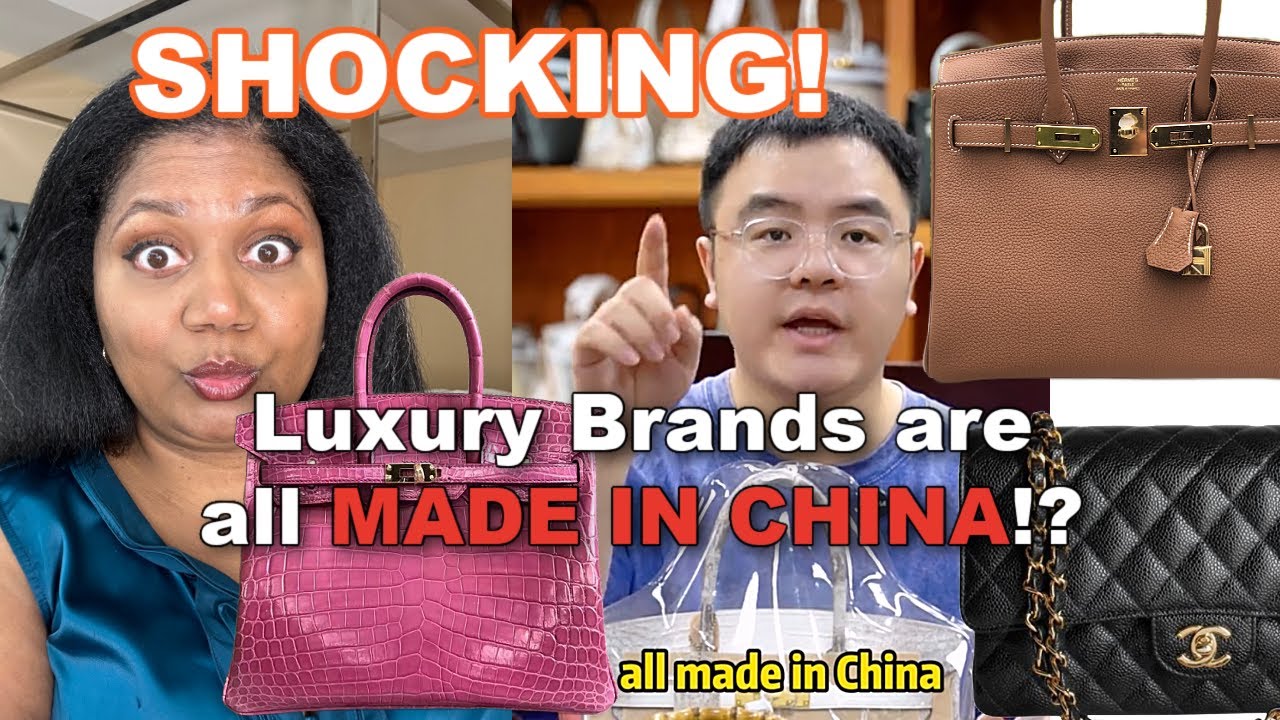
As trade tensions between the U.S. and China intensify, a new trend is sweeping social media: Chinese factory owners and workers are taking to platforms like TikTok to promote direct-to-consumer deals on products that closely resemble big-name luxury goods – but at eye-watering discounts. From $5 Lululemon-style leggings to $1,000 bags that mimic Hermès’ much-more-expensive offerings, these viral videos promise American shoppers a workaround to skyrocketing prices driven (in part) by tariffs – aiming to cut out luxury retailers and their well-known branding in favor of wholesale savings.
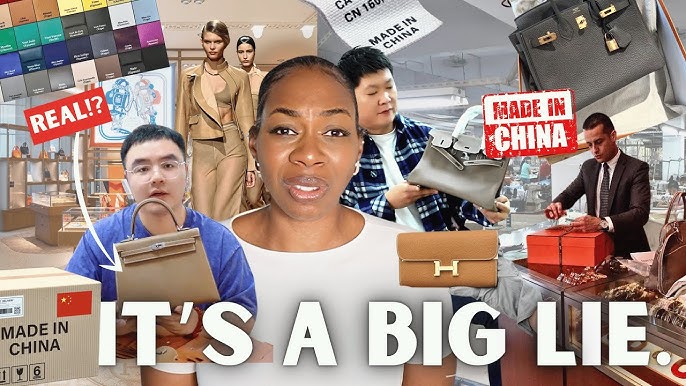
The far-fetched pitch being peddled by the makers of these viral videos? The goods at issue are the same as luxury goods companies’ garments and accessories, with the only meaningful difference being a lack of brand name and/or logo. Some videos go so far as to explicitly – but erroneously – assert that the goods at issue are legitimate in light of the “fact” (again, take that with a grain of salt) that many of the biggest luxury brands’ goods are almost entirely made in China and then sent to the brands’ own factories to have the products labels sewn on.
Millions have watched, liked, and shared the videos, with some Western influencers even joining in – creating spreadsheets of factory contacts and encouraging followers to shop via Chinese apps like DHGate and Taobao, which are now among the most downloaded platforms in the U.S.
The Legal Questions at Play
Videos of Chinese factories purporting to sell goods that mirror the design and precise quality of coveted luxury creations directly to consumers via TikTok are now a full-blown online phenomenon, complete with legal red flags and consumer questions. One of the most resounding consumer queries: Is this legal?
An obvious answer comes on the trademark front, as even when products, such as the ones being offered up here, lack logos, they may still infringe on companies’ trademark rights. Specifically, U.S. trademark law protection goes beyond brand names and logos to cover the source-indicating look and feel of a product. The shape of Hermès’ Birkin and Kelly bags comes to mind, as does Louis Vuitton or Tiffany & Co. packaging, etc. If consumers are likely to confuse a lookalike item with the real thing, that can give rise to valid trade dress infringement claims.
Looking beyond IP, if the factories behind these TikTok videos and lookalike wares have legitimate business relationships with luxury brands (and at least some theories are that they do), they could be breaching their contracts with these brands. Supplier agreements routinely contain strict non-disclosure and non-compete clauses, which prohibit the manufacturer from selling similar or identical goods outside of approved distribution channels. Violating these terms can lead to consequences, including litigation and termination of lucrative contracts with global brands.
There are also implications under U.S. import laws for consumers purchasing goods directly from Chinese manufacturers, particularly through platforms like TikTok. While these factory-direct deals often promise to bypass tariffs and retail markups, consumers remain responsible for paying applicable customs duties—especially in light of recent changes to U.S. law. Beginning May 2, the U.S. eliminated the de minimis exemption for goods imported from China and Hong Kong, which previously allowed shipments valued at $800 or less to enter the country duty-free and with minimal customs processing.
This policy shift, rooted in an executive order signed by President Trump, means all imports from these regions are now subject to duties regardless of value, and may also face increased scrutiny and customs delays.
Still, there is the role of social media platforms in connection with the advertising of such potentially problematic goods to consider. Social media platforms are generally shielded from legal liability for user-generated content under Section 230 of the Communications Decency Act. However, platforms like TikTok and Instagram are under increasing pressure to curb illegal commerce on their apps, with a spokesperson for TikTok confirming that the platform is removing content and accounts that violate its policy against “the trade or marketing of regulated, prohibited, or high-risk goods and services,” including counterfeits.
What Are Brands to Do?
The biggest non-legal question here is what (if anything) should brands do in response to the rise of the content and messaging at issue. At least some companies are looking to set the record straight. “Lululemon does not work with the manufacturers identified in the online videos and we urge consumers to be aware of potentially counterfeit products and misinformation,” a spokesperson for the athleisure giant said recently. Meanwhile, a representative for Hermès, when prompted for comment, confirmed that the company’s goods are made entirely in France.
But the elephant in the room here goes beyond the veracity of the viral videos, and centers more squarely on the issue of value perception. What are luxury goods really worth? Or put another way, are luxury goods really worth it? This line of thinking could impact brands amid an already-shaky and evolving market, in which consumers have not been shy to adopt dupes, look to the resale market, and shun brands over enduring price increases and a perceived lack of improvements in product quality.
This sentiment, which is increasingly seeing consumers express skepticism about the workings of the traditional luxury goods model, is also present in the lawsuit that a group of consumers filed against Hermès last year, accusing the Birkin bag-maker of maintaining an anticompetitive scheme to allot its hardest-to-get bags and boost sales of “ancillary products” in the process.
It is against this background that consumers seem to be more than happy to buy into the messaging at play in the videos, potentially to the detriment of the industry’s most well-established luxury purveyors.
Chances are, at least some companies will opt to react indirectly by leaning more heavily into messages of heritage and craftsmanship in their marketing materials. Others will likely not speak out at all, acknowledging that this likely-fleeting TikTok chatter is little more than that.
THE BOTTOM LINE: This seemingly simple TikTok trend is raising an array of legal questions and branding concerns, with potential consequences for consumers, manufacturers, and even the platforms hosting the content.
Share