

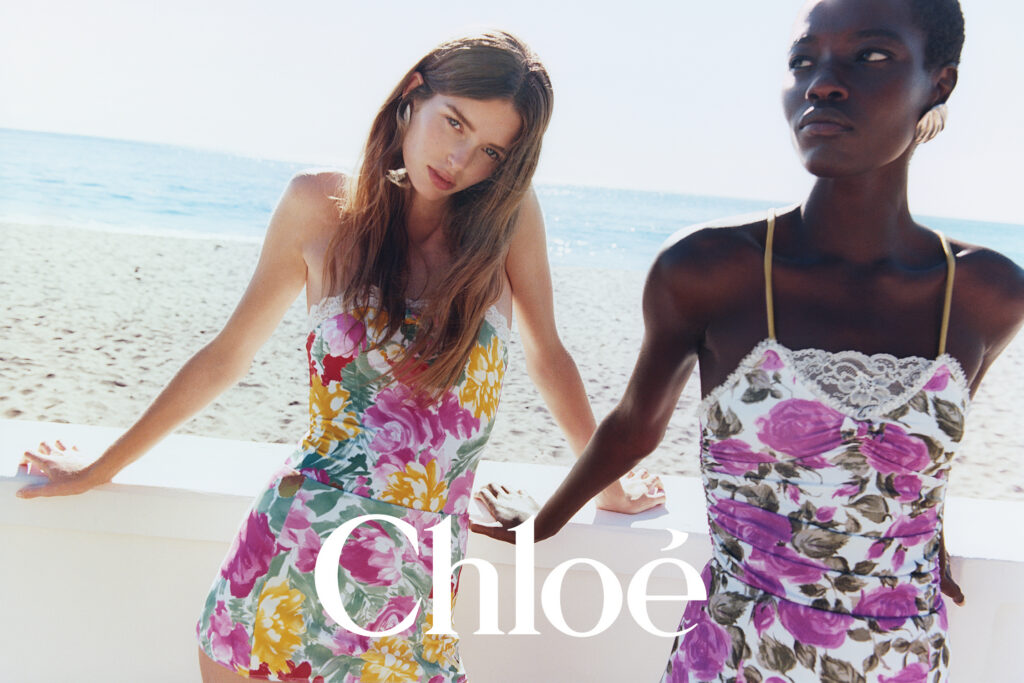
As Chloé continues to regain momentum under creative director Chemena Kamali, a parallel battle is emerging online. In a series of lawsuits filed in the Southern District of Florida in recent weeks, the Richemont-owned brand alleges that an array of online sellers is offering counterfeits of CHLOÉ-branded goods, including copycat versions of some of its hottest-selling handbags and footwear.
Beyond routine trademark enforcement, the complaints, as first reported by TFL, reveal something more consequential about how counterfeit commerce operates: the fight is not confined to physical products, but extends to search rankings, social media exposure, and online consumer traffic. The filings allege that counterfeit sellers are improperly using the CHLOÉ name to compete for online placement and consumer attention, reflecting an enduring shift in the luxury market where brand value is tied not only to brand goodwill and product desirability, but also to sustained algorithmic presence.
Historically, counterfeit markets have tended to concentrate around globally dominant luxury giants with decades of entrenched consumer recognition. But the rise of social commerce, search-driven shopping behavior, and platform-based retail has made counterfeit operations far more reactive to shifts in consumer attention. In that environment, brands experiencing sustained cultural momentum may increasingly attract counterfeit activity even without the sheer scale traditionally associated with the luxury industry’s biggest players.
The Counterfeit Market Responds
Chloé – which sits under the Richemont umbrella alongside brands such as Cartier, Van Cleef & Arpels, Alaïa, Vacheron Constantin, and Delvaux – provides a compelling example of that dynamic. Over the past year and a half, the brand has experienced a notable resurgence under Kamali, whose work has quickly reinserted Chloé into the center of the fashion zeitgeist. The momentum has been reflected not only in renewed editorial attention and strong social traction, but also in Chloé’s steady rise on the Lyst Index.
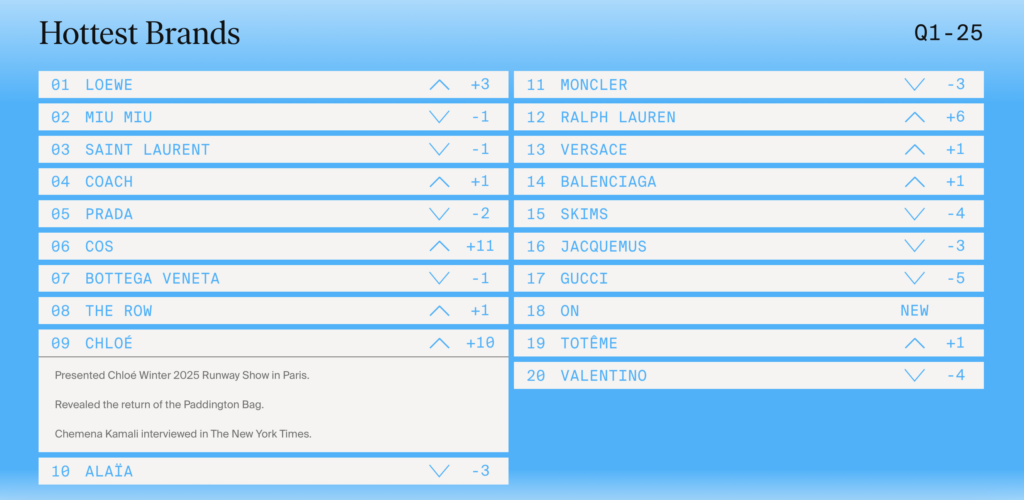
Richemont’s own limited reporting has also pointed to stronger commercial performance for Chloé across ready-to-wear and accessories during a period when much of the broader luxury sector has been grappling with slowing demand.
Now, that resurgence appears to be surfacing elsewhere: in the market for counterfeits and corresponding legal actions. Between March and early May, Chloé has filed multiple trademark-centric lawsuits against operators of e-commerce sites, accusing them of advertising and selling counterfeit goods bearing its trademarks.
Counterfeits and the Visibility Economy
The complaints generally follow the familiar structure of modern online counterfeiting litigation, but they also reveal something notable about how counterfeit commerce operates. Chloé frames the defendants not simply as sellers of counterfeits, but as participants in a broader online attention economy, alleging that they are using its trademarks to attract consumers through search placement, platform exposure, and social media activity. In other words, the alleged conduct is not merely about copying products, but also about capturing attention.
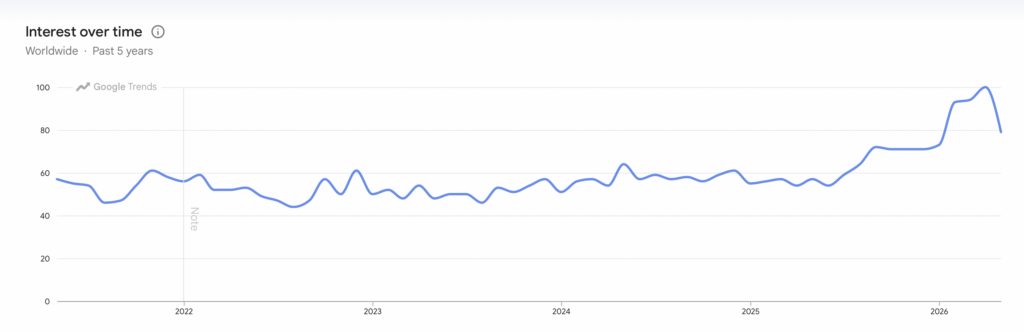
The emphasis on SEO, online marketing, and social media exposure in the newly-filed suits, while not entirely novel, reflects how counterfeit markets have evolved alongside brands’ growing dependence on algorithmic retail environments. Rather than relying solely on the enduring recognition of the largest heritage houses, counterfeit sellers now rapidly optimize around brands and aesthetics generating sustained search demand and online engagement.
Chloé’s trajectory suggests something notable: while counterfeit markets have long concentrated on the largest legacy luxury houses, they are also responsive to brands demonstrating durable cultural momentum. As a result, counterfeit activity may offer insight into which brands have successfully converted fashion relevance into sustained consumer demand.
Importantly, that does not mean every viral fashion moment immediately translates into meaningful counterfeit activity. Chloé’s resurgence reflects something more durable – a sustained period of elevated relevance across runway coverage, social media engagement, retail demand, and fashion search behavior.
THE BOTTOM LINE: As luxury consumption becomes increasingly mediated through recommendation systems, social feeds, platform rankings, and search behavior, counterfeit markets may be evolving into unusually sensitive indicators of cultural momentum. In that environment, it is not necessarily the brands with the largest historical footprint that attract the fastest counterfeit response, but the ones experiencing the strongest and most persistent consumer attention.
Share