


Louis Vuitton has landed one of its latest trademark wins, with a Chinese court siding with the luxury goods giant in a case over the sale of upcycled bags. In a judgment issued on November 11, the People’s Intermediate Court of Hangzhou in Zhejiang Province held that an unaffiliated luggage and leather goods company (the “defendant”) infringed Louis Vuitton’s trademarks by selling handbags made from deconstructed Louis Vuitton handbags. The court ordered the defendant to cease sales of the infringing goods, destroy any remaining inventory, publish a corrective statement, and pay 1.05 million yuan (approximately $145,000) in damages.
The decision adds to a growing body of case law addressing the legal limits of upcycling and refurbishment of designs when brands’ trademarks remain visible on altered products.
The Background in Brief: Louis Vuitton filed suit against the defendant in Zhejiang after discovering that it was operating across multiple e-commerce and social media platforms, where it openly promoted and sold handbags made from recycled secondhand luxury bags. The defendant allegedly acquired used LV handbags, deconstructed them, and then reassembled the resulting leather into newly-designed bags. While most (but not all) of the resulting silhouettes differed from Louis Vuitton’s original products, the finished bags prominently featured the brand’s trademarks, including the overlapping “LV” letters and Toile floral motif.
Louis Vuitton argued that the sale and promotion of the bags infringed its trademark rights and improperly traded on its reputation. The defendant countered that the products bore its own registered trademark and used Louis Vuitton’s marks only decoratively, rather than as indicators of source.
The Court Rejects the Upcycling Defense
Setting the stage in its decision, the Hangzhou court stated that while recycling and reuse align with sustainability goals, they do not excuse trademark infringement. At the same time, the court held that even if the leather used by the defendant did, in fact, come from genuine Louis Vuitton products (something that could not be conclusively determined due to the shredding and reassembly process), the prominent presence of Louis Vuitton’s trademarks on the finished bags constituted trademark use. As such, without authorization from Louis Vuitton, that use (regardless of the source of the materials) amounted to infringement.
The court also took issue with the defendant’s marketing, noting that by promoting the bags as made from “recycled secondhand luxury bags,” the defendant was leveraging Louis Vuitton’s brand reputation to attract consumers, thereby exceeding the bounds of fair use of its trademarks.
The critical takeaway from the court’s ruling: The reconstructed bags still made trademark use of Louis Vuitton’s registered marks within the meaning of China’s Trademark Law and thus, amounted to infringement.
>> Under Article 48 of the law, trademark use includes affixing marks to goods or using them in advertising and other commercial activities for the purpose of identifying the source of goods. Article 57 further provides that unauthorized use of identical or similar trademarks on identical or similar goods – where confusion is likely – constitutes infringement.
Here, the court found that despite the patchwork construction and product redesign carried out by the defendant, the LV monogram and related motifs were still depicted on the resulting bags and retained their source-identifying function. Against that background, the court held that consumers were likely to believe that the bags were either made by Louis Vuitton or were associated with or endorsed by the brand.
A Broader Crackdown on Upcycling
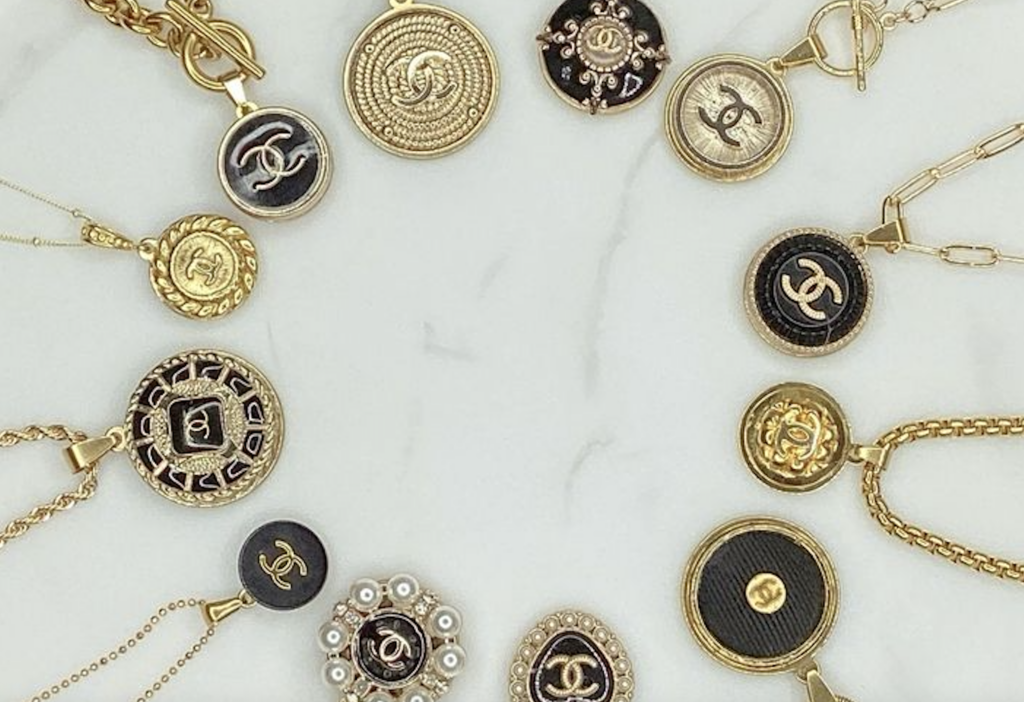
The case comes amid broader efforts by luxury brands, which are taking an increasingly aggressive stance against upcycling, customization, and refurbishment efforts that make unauthorized use of their trademarks. Louis Vuitton has pursued similar claims against upcyclers in other jurisdictions, including Korea and the United States, while Chanel has taken aim at sellers of jewelry created from allegedly authentic Chanel buttons and refurbished handbags. Elsewhere, Nike has taken on sneaker customizers, including MSCHF, and Rolex has waged legal battles against watch modifiers, such as La Californienne and Artisans de Genève, over their use of its marks on the altered timepieces.
Together, these disputes reflect brands’ efforts to test – and sometimes, push – the boundaries of their trademark rights in order to control how products bearing their names are altered, marketed, and resold. These cases challenge traditional assumptions about purchasers’ post-sale rights by asking courts to treat these modified goods as “new” products, thereby limiting the scope of exhaustion and expanding brands’ legal recourse beyond the point of first sale.
At the same time, these cases continue to highlight the tension between circularity and brand control. While upcyclers often frame their work as environmentally driven and creative, courts are increasingly signaling that sustainability does not displace the fundamental principles of trademark law.
Share