

AI has made it possible to develop a brand with little more than an idea and a few prompts. Packaging, logos, websites, and marketing imagery that once required designers and creative agencies can now be generated by large language models in a matter of minutes. One of the big problems with that: The resulting brand may be a rip-off of one that already exists.
That is what a New York-based yogurt startup encountered last week, when its founders discovered a competitor, whose entire brand mimicked their own. The Harvard grad school student behind the competing business – a fledgling yogurt company called Cupful – used AI to develop the branding and said she had never heard of Sourmilk, the company she appeared to be imitating.
When AI Generates a Copycat Brand
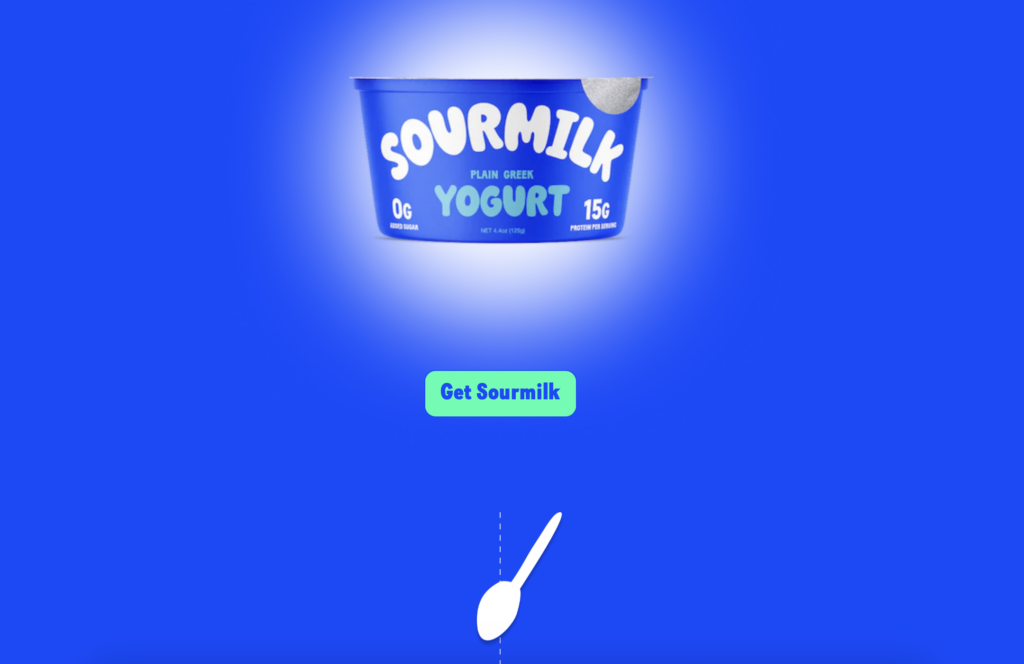
Sourmilk founders Kiki Couchman and Elan Halpern took to social media on November 5 after learning of Cupful and the similarities between the companies’ branding. Cupful’s packaging featured arched white lettering against a deep blue background closely resembling Sourmilk’s, while its website and social media materials included markedly similar illustrations and product imagery.
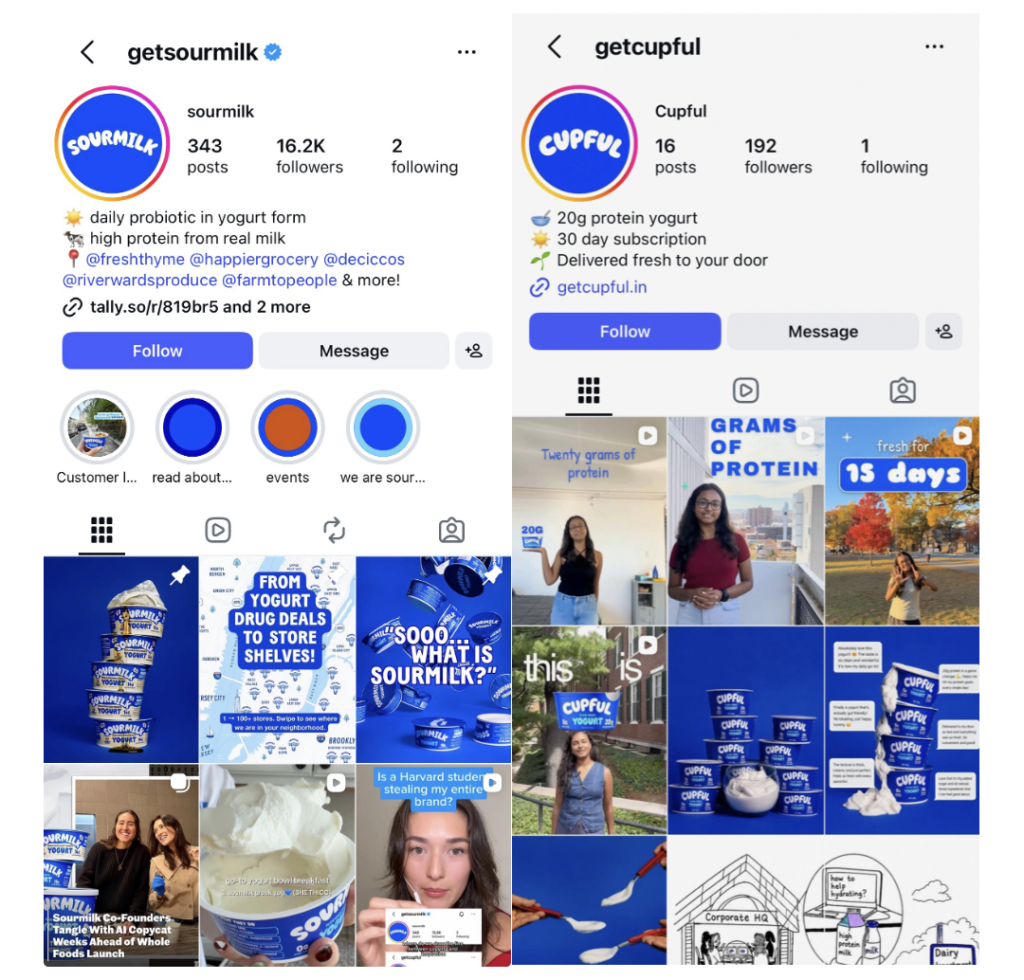
Ahead of its launch in early 2025, Sourmilk commissioned designers, artists, and photographers to develop its visual identity. Cupful founder Shreya Goyal, on the other hand, told Inc. that she relied on AI because she lacked the budget and expertise to develop the branding herself. She denied any intent to co-opt the Sourmilk brand and said she became aware of the company only after social media users started commenting about similarities between the brands.
Goyal also noted that Cupful – which was set to launch in the Indian market – had not yet launched any products.
The Legal Risks of AI-Powered Branding
The social media-centric clash appears to have ended without litigation; Goyal shut down Cupful’s social media accounts and website and said she plans to rebrand. But the prospect of litigation over allegations that one brand copied the “look and feel” of another is hardly unprecedented.
Daily Harvest’s since-settled lawsuit against Revive Organics for allegedly copying its packaging, website design, and brand imagery comes to mind, as does Squish Beauty’s pending case against Coty over CoverGirl’s allegedly similar branding and broader marketing aesthetics. More recently, Van Leeuwen secured a finding of trade dress infringement and an approximately $23.8 million profits award against Rebel Creamery.
And while AI is changing how businesses develop branding, the legal standards governing the resulting designs remain the same. The fact that branding was generated using AI – potentially without any intent to copy an existing brand – does not, by itself, insulate a business from liability for infringement.
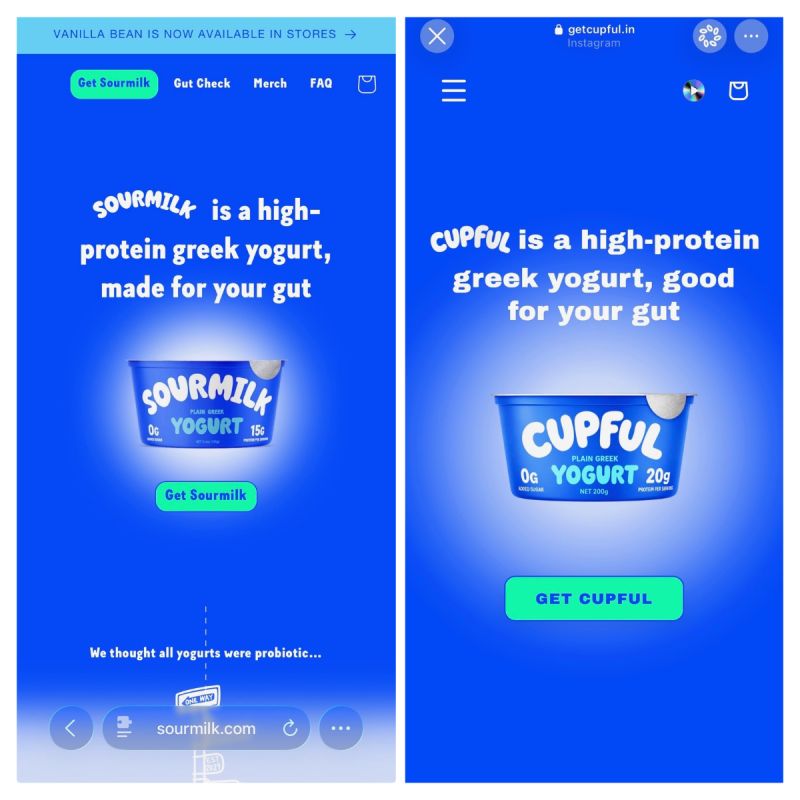
A lack of intent to copy is not a defense to a trademark infringement claim. Even if Cupful’s founder was unaware of Sourmilk, that would not defeat a claim if the challenged branding is likely to cause consumer confusion. Copyright infringement similarly does not require intent. Independent creation, however, can defeat a claim of copying, making the origins of Cupful’s AI-generated illustrations and imagery potentially relevant. The role of intent can differ in unfair competition claims. In Van Leeuwen, for instance, the court’s finding that Rebel acted in bad faith supported liability for unfair competition under New York common law.
THE STRATEGY: Generative AI allows businesses to develop branding through prompts, reference images, and successive AI-generated edits, making it easier to generate and adopt potentially infringing designs – whether they know it or not.
For brand owners and their counsel, AI-assisted design introduces an additional complication into the clearance process: the opacity of AI models and their training data. Businesses may have little insight into the sources or influences behind AI-generated designs, even when they have directed the creative process themselves. That makes it particularly important to assess the resulting branding against existing rights, distinguishing between design conventions common to a product category and elements or combinations of elements that may be legally protectable.
Cupful withdrew its branding before launching a product, but businesses that discover potential conflicts after committing to production or distribution will face a more critical decision. And in an environment where brands and consumers publicly call out perceived copying, reputational concerns or the threat of litigation may prompt a company to rebrand even in the absence of a finding of infringement.
Share