

Aldi is pushing deeper into the U.S. than ever before. The company plans to open more than 225 stores this year, bringing its total to about 2,600 nationwide. That footprint will make the German discount grocer known for its no-frills approach and quarter-deposit cart the country’s third-largest supermarket operator by store count, behind only Walmart and Kroger. While overall grocery visits remain flat, Aldi has managed to grow trips by more than 7 percent in the first half of the year, compared with less than 2 percent across the broader industry.
The timing is favorable. For consumers navigating persistent food inflation, Aldi’s formula – low prices, smaller stores, and a “treasure hunt” feel – has been a draw. At the same time, no shortage of its recent momentum lies in its dupes offerings.
Dupes as a Growth Engine
Dupes – or more specifically for Aldi, private-label products designed to closely resemble well-known brands – are at the heart of the rising grocery titan’s strategy. Roughly 90 percent of its shelves are stocked with private labels, giving the chain complete control over product, packaging, and pricing.
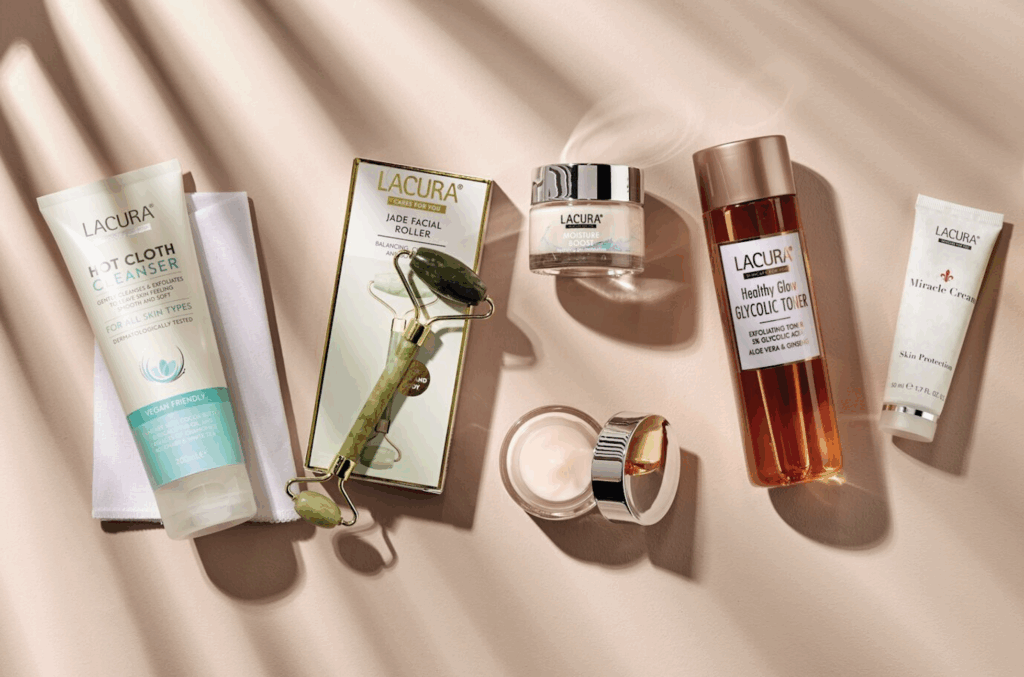
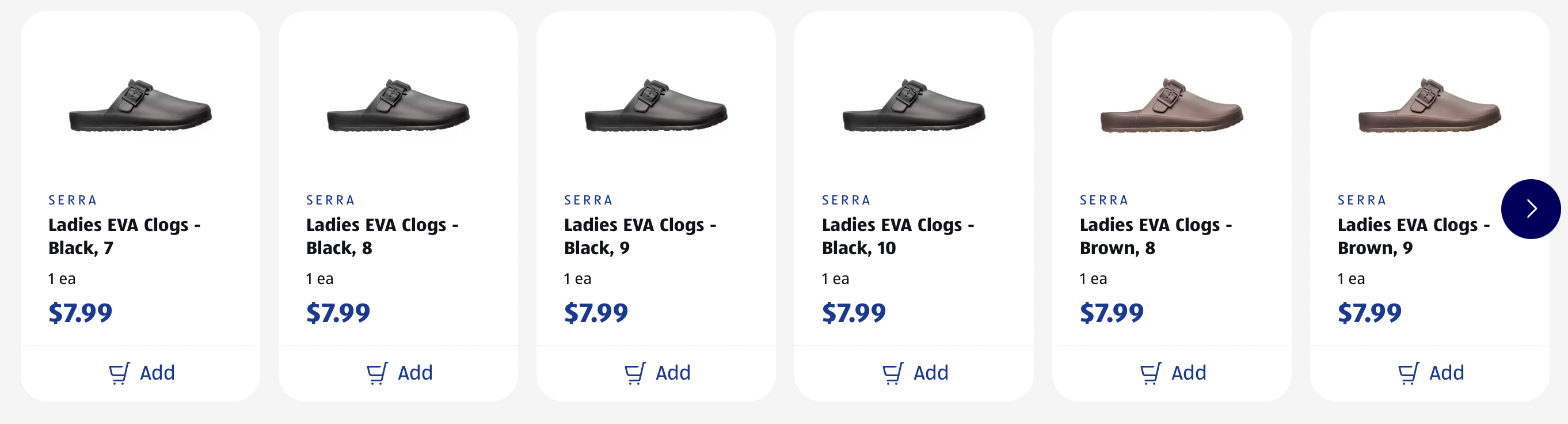
The economics are compelling. Aldi can sell its Fruit Rounds cereal for $1.68, while Kellogg’s Froot Loops retails for nearly three times as much. In beauty, Aldi’s Lacura ProNight Serum mimics Estée Lauder’s Advanced Night Repair – at $4.49 versus $65. In the footwear department, the company is offering up clogs that mimic Birkenstock’s for $7.99, more than $150 cheaper than the original. In cookware, a Crofton cast iron Dutch oven costs $30, compared to Le Creuset’s $420 version. Across categories, shoppers can save hundreds – even thousands – of dollars by choosing Aldi’s stand-ins.
For consumers, the appeal goes beyond savings. Aldi has cultivated a culture of discovery: new dupes appear in its rotating “Aldi Finds” aisle, creating the same scarcity-driven excitement that drives traffic to retailers like TJX or Five Below. Social media amplifies the effect, with influencers and TikTok users showcasing side-by-side comparisons of Aldi’s versions of prestige skincare, footwear, snacks, and cookware.
A Business Proposition & the Legal Backlash
The dupe strategy builds loyalty in ways traditional discounting cannot. Instead of simply lowering the price of a national brand, Aldi offers its own alternative. That gives customers a reason to return for Aldi-exclusive products they cannot buy elsewhere, while also shielding the grocer from margin pressures tied to suppliers. In beauty and homeware, in particular, dupes pull Aldi into new spending categories. A shopper who comes in for groceries may walk out with a La Prairie-inspired cream or lipgloss looks like rhode.
That broadens Aldi’s relevance in consumers’ lives – and helps it differentiate from other discounters competing on price alone.
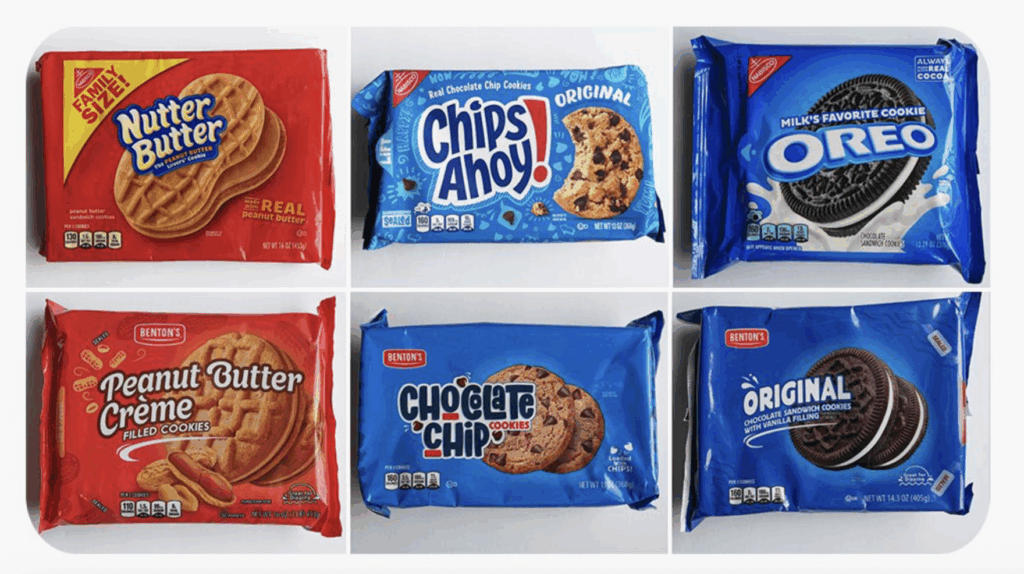
The strength of the strategy also exposes Aldi to risk. Snack giant Mondelez International, the maker of Oreo and Wheat Thins, for instance, is suing the chain in Illinois federal court, claiming Aldi’s lookalike packaging and product names – such as “Thin Wheat” – are designed to confuse shoppers and erode brand equity. The company is seeking damages and an injunction.
And that is not an isolated case. In February 2025, the UK Court of Appeal ruled in favor of Thatchers Cider Company, finding that Aldi’s Taurus Cloudy Lemon Cider packaging took unfair advantage of Thatchers’ trademarks. Before that, the Federal Court of Australia found Aldi liable for infringing Baby Bellies packaging, including key design elements like its cartoon character, layout, fonts, and imagery that appeared on the children’s snack product. The court deemed the copying to be “flagrant.”
With beauty and homewares brands often as protective of their intellectual property as food manufacturers (if not even more aggressive), Aldi may face more challenges as its dupe strategy expands.
But for now, the payoff appears to outweigh the risks – and the litigation to date may just be the cost of doing business. Dupes allow Aldi to price aggressively while creating exclusive products that strengthen its brand identity. They bring younger, social media–savvy shoppers into stores, extend the chain into higher-margin categories, and give consumers reasons to return weekly to see what’s new.
As Aldi enters tougher markets like New York City, with a Times Square flagship set to open next year, it will need to prove that the buzz around dupes translates into sustained customer loyalty in high-cost, highly competitive environments.
THE BOTTOM LINE: Aldi’s rise demonstrates how the private label economy has evolved from pure supermarket staple to a dynamic category in its own right. By turning dupes into a core business strategy, Aldi is thriving in a challenging grocery market. The question now is whether it can keep scaling the model without running afoul of the very brands it imitates.
Share