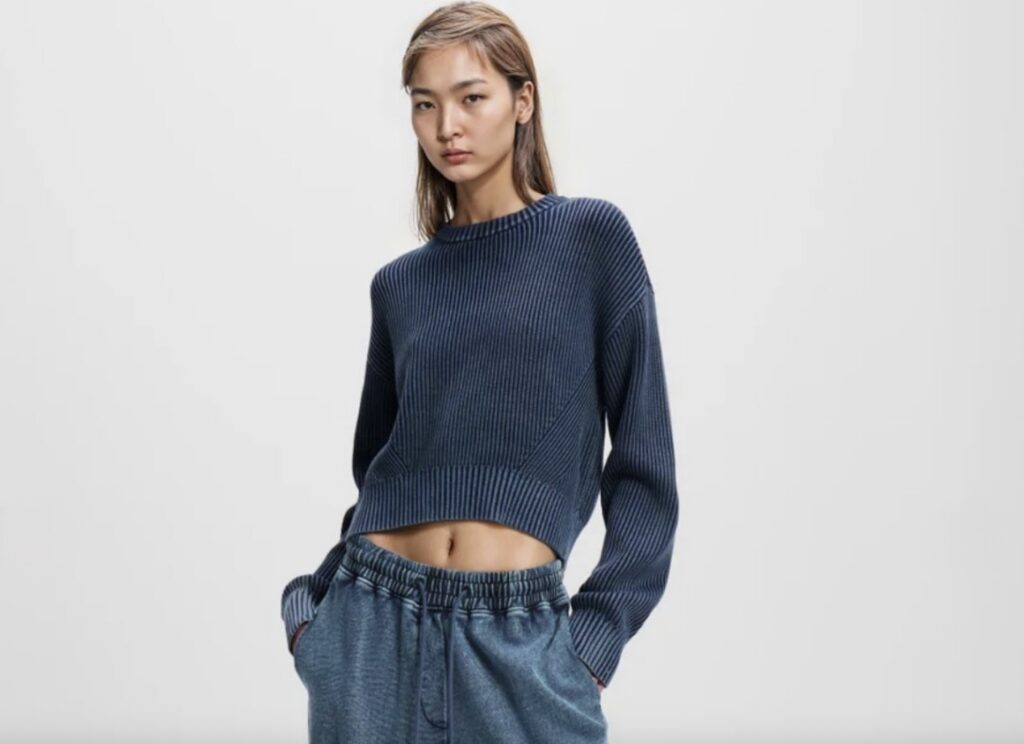


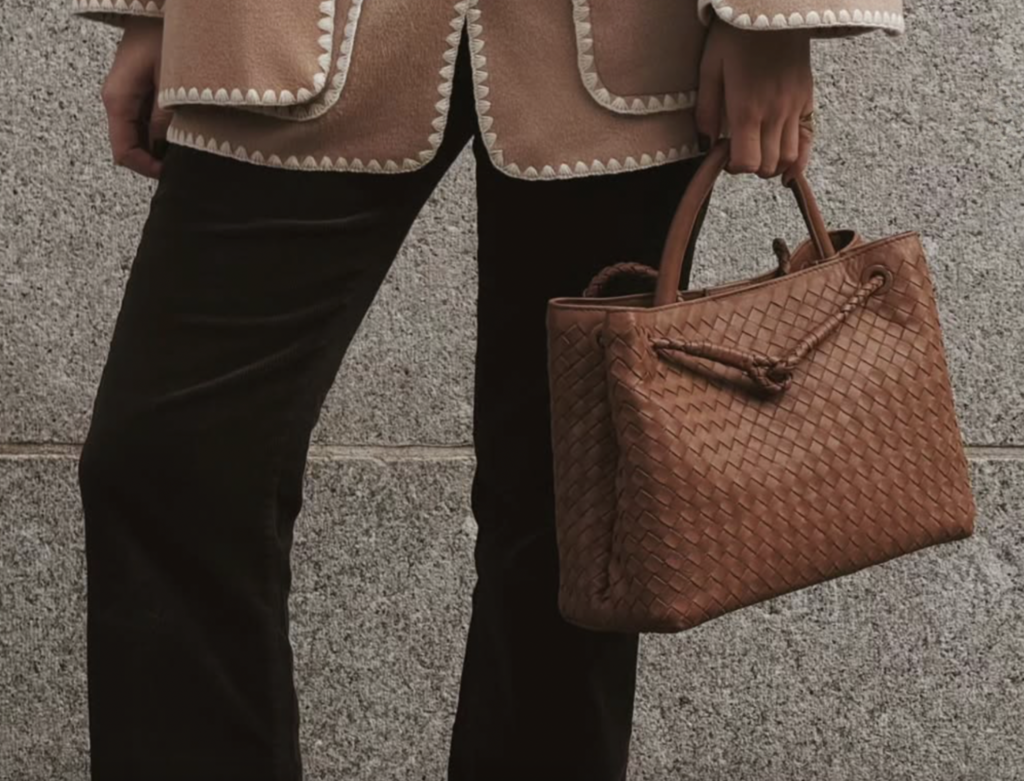
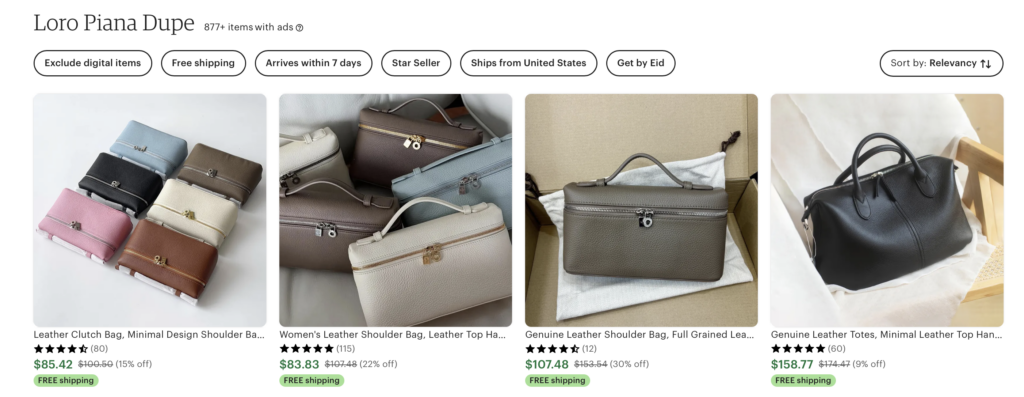
There is a common element in a growing swathe of fashion TikToks, “haul” videos, and Amazon storefront roundups: dupes. Woven leather bags that look remarkably similar to Bottega Veneta, leather sandals that mirror styles long associated with Hermès, and understated, logo-less knits that pass for pieces from The Row. These products are not counterfeits in the traditional sense, as they rarely co-opt others’ protected trademarks. But they do mirror the aesthetic codes of their more expensive counterparts closely enough to satisfy the average consumer’s eye.
More telling than the proliferation of these lookalikes, however, is what they suggest about the current state of the luxury market. Targeted companies routinely frame dupes as the products of opportunistic actors piggybacking on the equity and goodwill of established brands. And while that may be true, that framing overlooks the structural conditions that have made lookalikes commercially viable. The persistence and scale of consumer demand for dupes suggest that this is less a fleeting social media trend than the logical outcome of years of aggressive pricing (often, by consumer accounts, without corresponding quality increases), aggressive growth strategies, and increasingly strained value propositions.
Luxury, as an industry, is facing a period of slowed sales, and dupes have emerged as one of the clearest indicators that consumers are reconsidering the luxury value proposition.
The Price of Growth
Over the past decade, luxury brands have implemented sizable and repeated price increases across categories. Widely recognizable handbag silhouettes and other core leather goods that form the commercial backbone of many heritage houses’ offerings have crept steadily upward, narrowing the space between aspirational and unattainable. Brands frequently cite rising input costs, inflationary pressures, and currency fluctuations as justification for higher prices. While those factors are not insignificant, they operate within conglomerate models built around sustained growth and margin optimization, where pricing serves not only to address rising costs but to exercise pricing power.
Within that framework, the traditional pillars of luxury – heritage, craftsmanship, scarcity – begin to feel misaligned. Craft is constrained by time and human capacity, yet the modern luxury model is structured around acceleration and expansion. Store networks stretch across continents, collections arrive with rising frequency, and product assortments grow broader each season. The heritage narrative remains central to brand storytelling, but it now operates within a system designed for scale.
This is not lost on consumers, who may not know the precise cost of a handbag, but understand that these are no longer the products of small family-run workshops produced in relatively limited quantities; they are multinational corporations accountable to shareholders.
At the same time, mounting mistrust of luxury brands’ operations is narrowing the distance between brand narrative and reality. Sustained mainstream media coverage and viral social media discourse now scrutinize pricing strategies, sourcing claims, and manufacturing practices with a level of transparency that was once uncommon, complicating the industry’s long-standing reliance on narrative as a proxy for value.
When Heritage Isn’t Enough
Against that background, the appeal of the dupe becomes logical, particularly in a market where consumers prioritize aesthetic access over brand provenance and that values that come with it. The potential sticking point for brands? When a product’s value is rooted primarily in how it looks rather than its source or how it is made, aesthetic replication becomes commercially viable.
This does not mean that consumers are uniformly abandoning authentic luxury purchases. Rather, it reflects a shift in allocation. In an environment marked by elevated living costs and financial uncertainty, even relatively affluent consumers are making more calculated decisions about where to spend. In practice, this is seeing discretionary dollars flowing toward wellness, functional medicine, hospitality, and travel categories rather than additional handbags or logo-driven ready-to-wear.
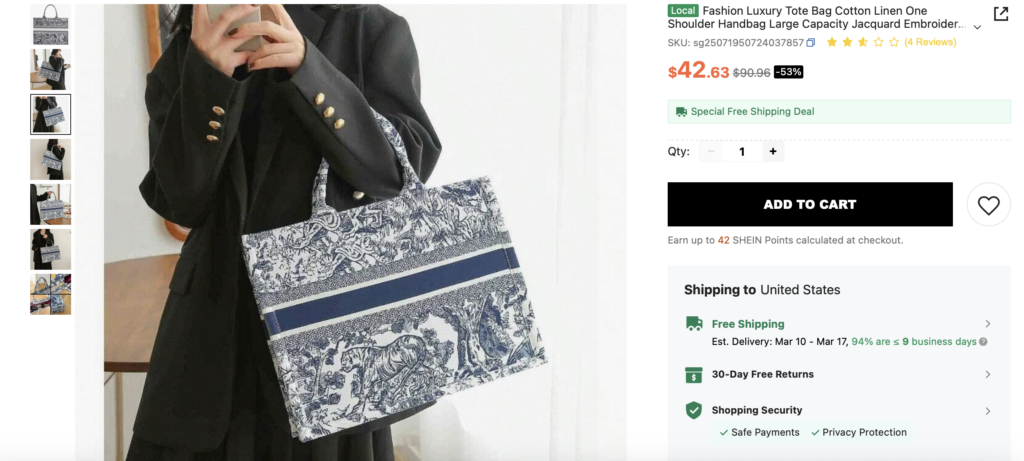
It would be easy to characterize this as the latest iteration of familiar consumer behavior; fashion has always operated in cycles, and consumers have long sought out more affordable versions of high-end design. What distinguishes the current moment is the extent to which skepticism about modern “luxury” has entered the mainstream. Consumers are not content to accept price as a proxy for quality or exclusivity without context. Greater visibility into pricing structures and corporate scale has recalibrated expectations, particularly within the aspirational luxury tier, where the tension between narrative and perceived value is most pronounced.
In that recalibrated environment, dupes have gained traction. And they are not so much undermining luxury as exposing structural vulnerabilities within the aspirational segment. Luxury will continue to thrive at its highest tiers – where materials and construction are meaningfully differentiated, production remains genuinely constrained, and exclusivity is rigorously maintained. However, the broader aspirational category – built on high volumes of highly recognizable offerings – now faces heightened scrutiny in a market less willing to accept price alone as proof of value.
THE BOTTOM LINE: Against that background, luxury brands are no longer dismissing dupes as a fringe phenomenon; they are responding with litigation and specifically-calibrated messaging aimed at reasserting craftsmanship and exclusivity – an acknowledgment of real competitive pressure and emerging constraints on pricing power. What is unfolding is not merely a fascination with lookalikes, but a more fundamental shift in how value is evaluated, one that may ultimately force brands to rely less on narrative and more on demonstrable differentiation.
Share