

Brad Pitt’s skincare brand has landed on the receiving end of a lawsuit following its rebrand this summer. While the company has operated in the upscale skincare market since its launch in 2022, its recent repositioning from Le Domaine to Beau Domaine has shifted how its products are presented and marketed, making them “confusingly similar” to existing skincare and cosmetics brand, Beau D., the company argues in a newly filed lawsuit.
In a complaint filed in federal court in California in December, Beau D. founder Brandon Palas alleges that Pitt’s company “recently undertook a rebranding and changed the name of its product line.” The brand is marketed as a unisex, French anti-aging skincare line formulated with patented grape extracts. Palas claims Pitt and co. adopted the Beau Domaine name years after he began using – and securing federal trademark registrations for – the Beau D. mark in connection with cosmetics and skincare products for men.
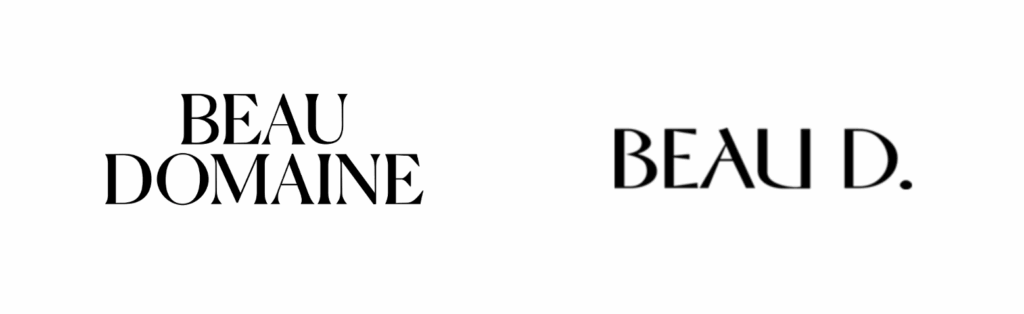
According to the complaint, Palas has used the Beau D. brand name since at least 2018 and owns multiple trademark registrations covering skincare and cosmetic goods targeted at male consumers. He alleges that the Beau Domaine rebrand creates a high likelihood of consumer confusion given the near identity of the marks, including Beau Domaine’s incorporation of the full Beau D. mark, the parties’ overlapping online sales of cosmetic goods, and their use of very similar fonts to identify their brands.
Against that background, Palas sets out trademark infringement, false designation of origin, and unfair competition causes of action, alleging that the parties were unable to resolve the dispute following pre-suit notice and demand.
A Case Triggered by Repositioning, Not Market Entry
Notably, the lawsuit does not follow the launch of a new company, but instead, follows a branding shift by an already operating entity. Le Domaine launched in 2022 as a joint venture between Pitt and the Perrin family of Château de Beaucastel, positioning itself as a vineyard-to-skincare concept rooted in sustainability and science-backed formulations.
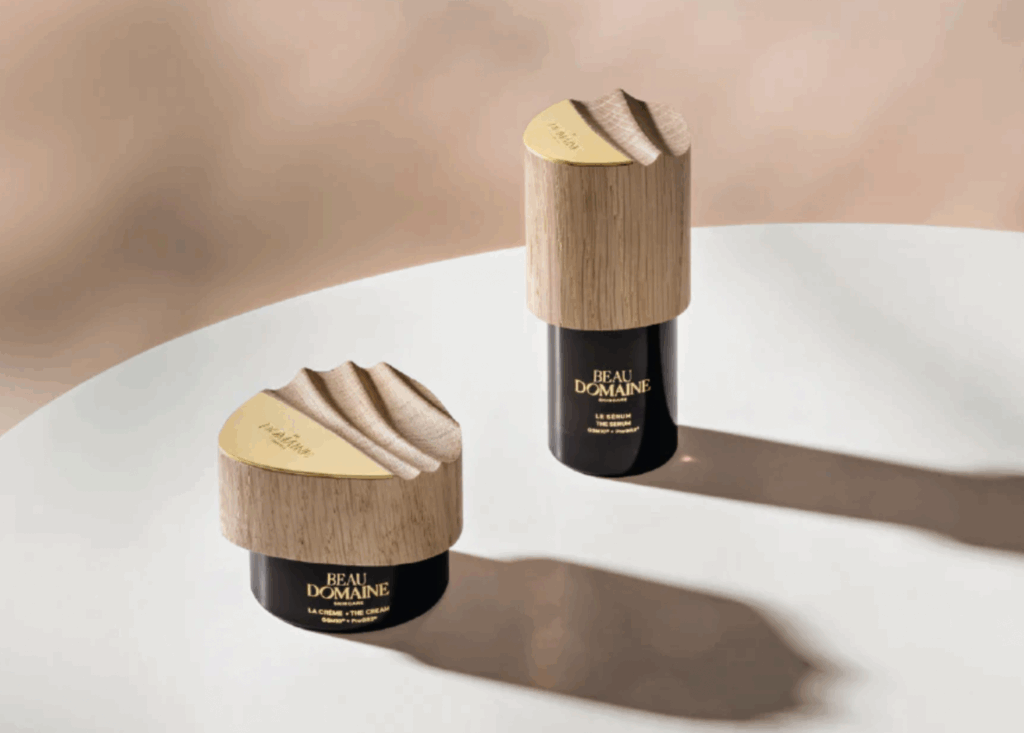
The transition to Beau Domaine reflects a broader repositioning effort, including updated packaging, branding, and marketing that place greater emphasis on the “Beau” name and a streamlined luxury skincare identity. According to Palas, those changes materially alter how the brand appears in the marketplace and how consumers encounter it in retail and online environments.
From a trademark standpoint, rebrands can be legally consequential because they alter how consumers encounter and perceive brands in the marketplace, especially when updated naming, packaging, or positioning places companies into closer competitive proximity. As the case at hand demonstrates, even where two companies previously coexisted without dispute, shifts in naming conventions, packaging, and brand messaging can trigger infringement claims.
THE BOTTOM LINE: While the merits of Palas’ claims will turn on familiar trademark questions, including the similarity of the marks and the goods at issue, customer sophistication, evidence of action confusion, etc., the case highlights how brand strategy can create new legal exposure. Ultimately, rebrands are often designed to sharpen positioning, streamline identity, signal new direction, and/or increase visibility in competitive categories. But those same shifts can also compress perceived distance between brands and their offerings, particularly in digital retail environments where consumers encounter products quickly and often without broader brand context.
The case is Palas v. Le Domaine, 2:25-cv-11953 (C.D. Cal.).
Share