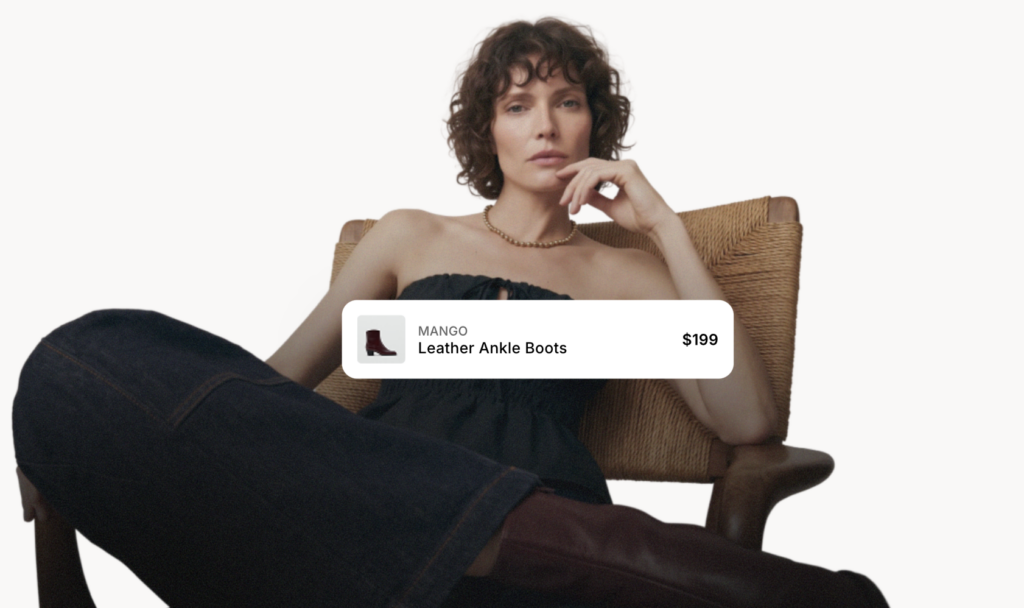


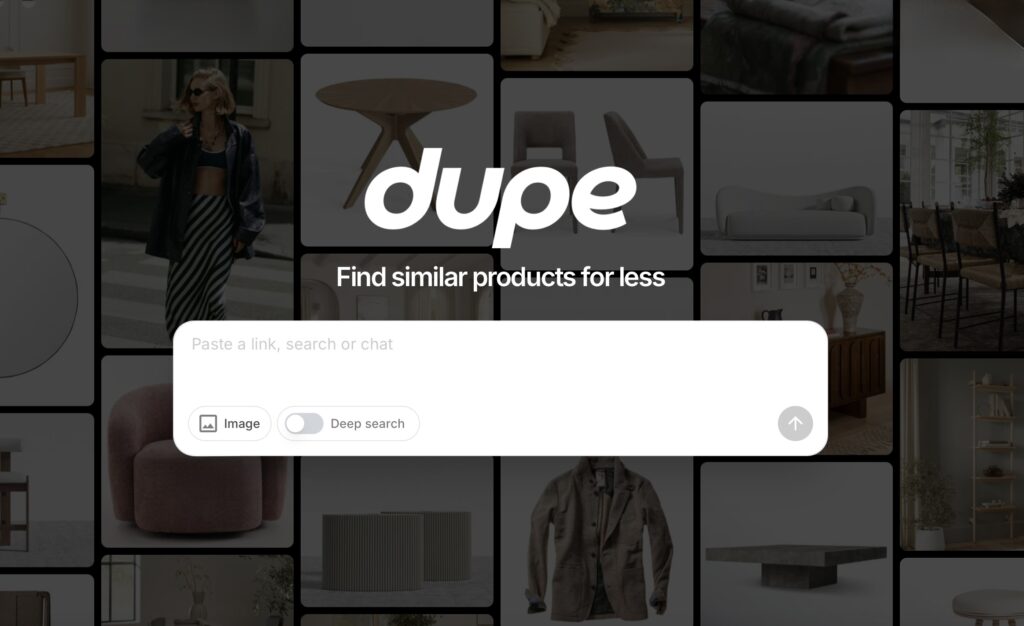
In a quiet conclusion to an intriguing copyright infringement and false advertising dispute, Williams-Sonoma, Inc. and digital storefront Carrot Cart, Inc., doing business as Dupe.com, have reached a settlement agreement, leading to the dismissal of a headline-making lawsuit. Filed in July 2024, the case centered around allegations that Dupe.com was selling copycat versions of Williams-Sonoma products while “falsely disparaging WSI and its brands, products, and business practices.”
The confidential settlement leaves key details – such as financial compensation or specific restrictions on Dupe.com’s business practices – undisclosed. However, the joint stipulation, both parties agreed to dismiss the case with prejudice, meaning that the claims cannot be refiled in the future. However, However, the dismissal order that Judge Vernon S. Broderick of the Southern District of New York signed on October 20 makes it clear that any breach of the agreement by Dupe.com could bring the parties back before the court.
The False Advertising Angle
Williams-Sonoma’s since-settled case against Dupe.com is perhaps most compelling not for the legal theories at play, but because of the backdrop against which it plays out, namely, the messaging that has been inundating consumers’ feeds across TikTok, Instagram, and Reddit. Over the past year, a growing wave of content creators and digital retailers have pushed a narrative that is as seductive as it is erroneous: that the high-end products sold by luxury brands – from leather handbags to designer furniture – are manufactured in the same factories as their lower-priced “dupes,” and that consumers are being misled and overcharged in the process.
This narrative has taken hold with remarkable speed. One of the most viral examples came from purported factory-direct sellers in China, who took to TikTok in videos claiming to supply bags to houses like Hermès and Chanel – offering nearly identical versions to consumers at a fraction of the cost. Despite the lack of merit, the claims garnered millions of views and generated sales from enthusiastic consumers, successfully tapping into consumer frustration with rising price tags, sizable luxury markups and opacity around sourcing.
The Williams-Sonoma v. Dupe.com case fits squarely within this dynamic. According to Williams-Sonoma’s complaint, Dupe.com was not just selling similar-looking furniture (via its reverse image search aggregation tool); it was actively positioning itself as a truth-teller exposing the so-called “scam” behind luxury pricing.
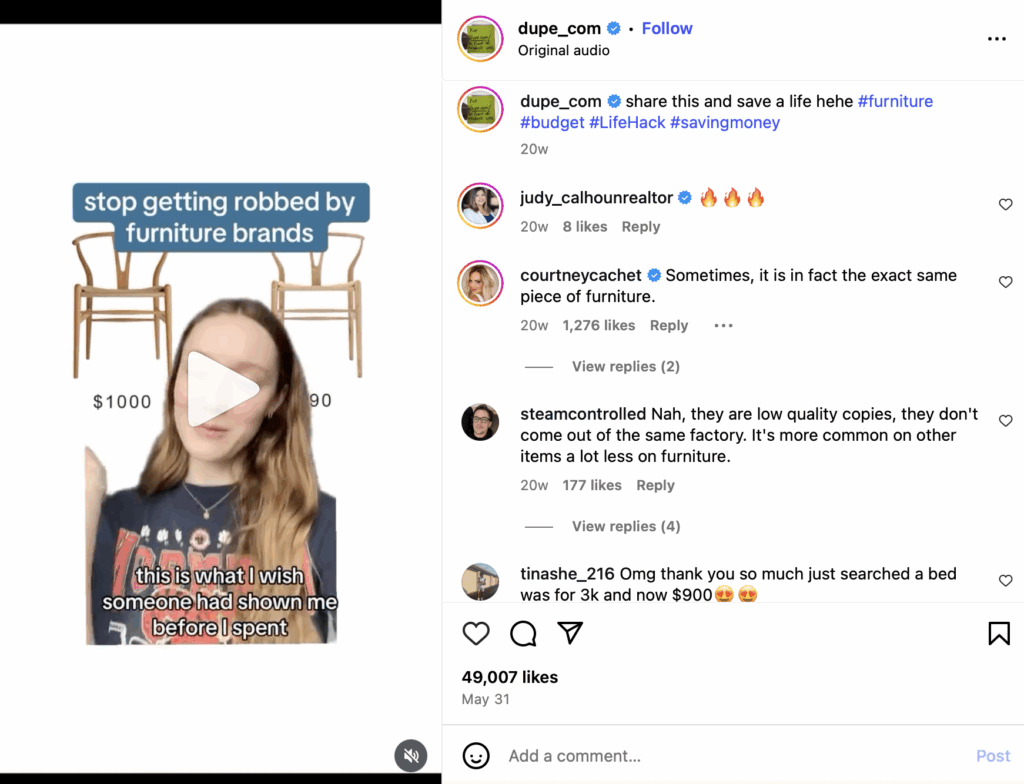
In addition to bringing copyright claims against Dupe.com for allegedly using its product imagery, Williams-Sonoma accused Dupe.com of building its platform – and its viral reach – on a false premise: that Williams-Sonoma was marking up factory-made goods, misleading consumers, and profiting from a “furniture price scam.” The claims centered on Dupe.com’s aggressive marketing tactics across TikTok and Instagram, where its CEO, Bobby Ghoshal, repeatedly accused retailers like Williams-Sonoma-owned West Elm and Pottery Barn of “white-labeling” and upcharging the same products that could allegedly be found elsewhere for 80 to 90 percent less.
Williams-Sonoma’s complaint pointed to a June 2024 video in which Dupe.com targeted West Elm’s Berra Chair with a caption that read: “A lot of furniture is made in the same few factories and brands sell them for different prices, and we’re none the wiser!” That claim was not just misleading, WSI argued, it was demonstrably false. The Berra Chair, the company says, is a proprietary design developed entirely in-house and manufactured exclusively for West Elm.
By suggesting it was a mass-produced item available from unnamed sources, Dupe.com was, in Williams-Sonoma’s words, “duping its own users” under the guise of consumer advocacy.
The campaign did not stop with the Berra Chair. Dupe.com’s social accounts repeatedly called out Pottery Barn for allegedly using “white-labeled” products, implying that the brand was simply slapping its name on mass-market designs. Again, Williams-Sonoma argued that these were not just marketing exaggerations – they were outright fabrications meant to mislead consumers and drive traffic to Dupe.com’s monetized platform, which earns commissions on purchases made through its affiliate links.
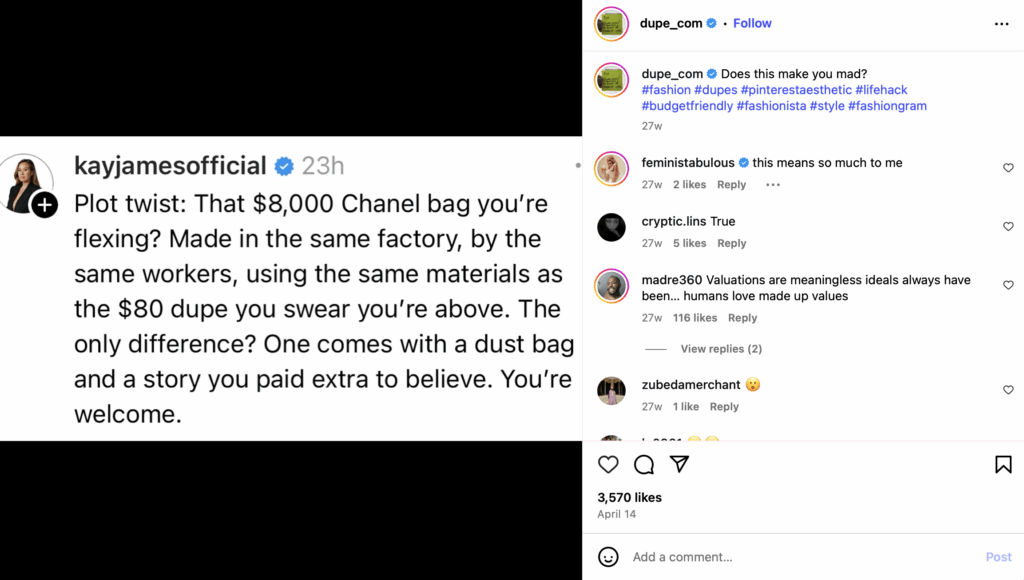
While the case was settled before a judge could weigh in on WSI’s claims, including its false advertising, unfair competition, and deceptive trade practices claims, the allegations – and the visibility of Dupe.com’s marketing – have raised concerns for brand owners, including those in the fashion/luxury space as Dupe.com sets its sights beyond homewares.
The case ultimately taps into a larger legal and cultural battle over transparency, pricing, and the right to control a brand’s narrative. For years, brands have relied on trade dress protections, distribution controls, and carefully managed supply chains to maintain their value proposition. But in the age of social-media-fueled misinformation and resulting skepticism, claims of “same factory, different label” are eroding that control – regardless of whether they are true.
Share