

For years, the battle against dupes has largely played out through trademark and trade dress claims. These cases focused on whether a product’s design or packaging was distinctive enough to function as a source identifier, and whether consumers were likely to confuse the lower-cost copy with the original product. Trademark claims are still being waged by companies plagued by dupes but an interesting shift appears to be underway: Companies are focusing less on the copycat products, themselves, and pivoting to the messaging being used to market the dupes.
Instead of asking courts to decide whether a shape, silhouette, bottle, or furniture frame is protectable as intellectual property, brands are increasingly asking a simpler question: Are dupe sellers telling the truth about how comparable their products really are?
Marketing Claims as the Target
This legal evolution is showing up across a widening range of cases. Beauty brand Sol de Janeiro’s lawsuit against MCoBeauty centers not just on packaging similarities but on influencer endorsements and promotional videos claiming that MCoBeauty’s fragrance mists “smell exactly” like Sol de Janeiro’s Cheirosa scents and “last all day.” Sol de Janeiro argues that these statements are factually false, pointing to material differences in the ingredients, fragrance composition, and scent longevity of the dupes. The case treats the alleged wrongdoing as deception in marketing rather than a straightforward case of imitation design.
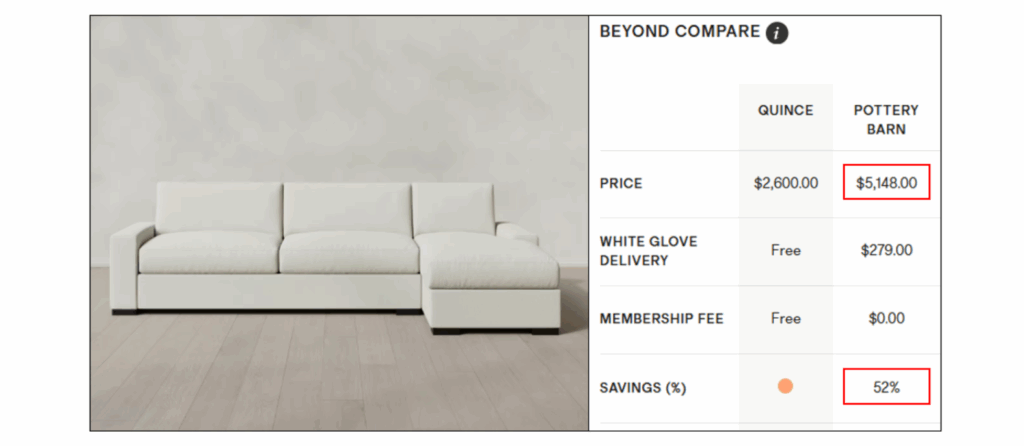
Williams-Sonoma, Inc.’s newly-filed lawsuit against Quince follows something of the same pattern – albeit in lieu of infringement claims, the focus is squarely on Quince’s “Beyond Compare” charts and advertising language that present Quince products as materially identical to goods sold by Pottery Barn, West Elm, and Rejuvenation. The complaint challenges claims about pricing, quality equivalence, sourcing, material composition, and manufacturing processes, which means that the crux of the case is not whether Quince’s products unlawfully replicate the look of Williams-Sonoma designs but whether Quince falsely represents that the products are “the same” or offer the same value proposition.
These cases are part of what might be a broader shift toward false advertising as a key tool in companies’ fights against dupes. Under the Lanham Act’s false advertising provisions, plaintiffs need not establish exclusive rights in a design. They must show only that the challenged statements are false or misleading, were made in commercial advertising or promotion, were material to purchasing decisions, and caused harm. There is no requirement to prove secondary meaning, non-functionality, or consumer confusion as to source. The battlefield becomes representation rather than resemblance.
Why Brands Are Changing Strategy
There are sound reasons for why brands appear to be embracing this pivot. First, many of today’s most popular or duped products increasingly risk being deemed legally “generic.” Courts have long refused to grant trade dress protection for basic silhouettes and commonplace product forms, and recent dupe litigation has made those longstanding constraints newly salient to brands. Simple fragrance packaging, shearling boots, boucle chairs, velvet bed frames, neutral rugs, minimalist lighting fixtures, etc. all run the risk of being characterized as industry-standard designs rather than proprietary marks of source.
And once a product design is deemed generic, trade dress protection disappears entirely, no matter how commercially iconic the product – or its packaging – may be.
This risk has become tangible. A recent decision in a Deckers v. Quince litigation over UGG footwear illustrates the vulnerability. In that case, a federal court in California found that two staple UGG boot silhouettes are generic because an array of competitors market visually similar products. Even Deckers’ argument that it had been “first to market” did not save its trade dress claims. The decision underscores how even highly recognizable products may fail to meet the standards for protectable design under trademark law once they become widely adopted.
False advertising offers a way around that roadblock. A product can be generic in shape while claims about its equivalence or performance remain actionable. Whether a fragrance bottle is distinctive or a couch design qualifies as trade dress becomes moot if a seller claims its product is “identical” or “the same quality.” In other words, false advertising law reaches conduct that trade dress law does not.
Modern dupe marketing relies not only on visual mimicry, but on overt verbal and comparative claims, as well. Social media endorsements proclaim products to be “the same but cheaper.” Websites provide side-by-side comparison charts listing supposed competitors and inflated price differentials. Influencers encourage consumers to buy “dupes” or “exact matches.” These statements convert imitation into concrete factual comparisons that can be evaluated for accuracy.
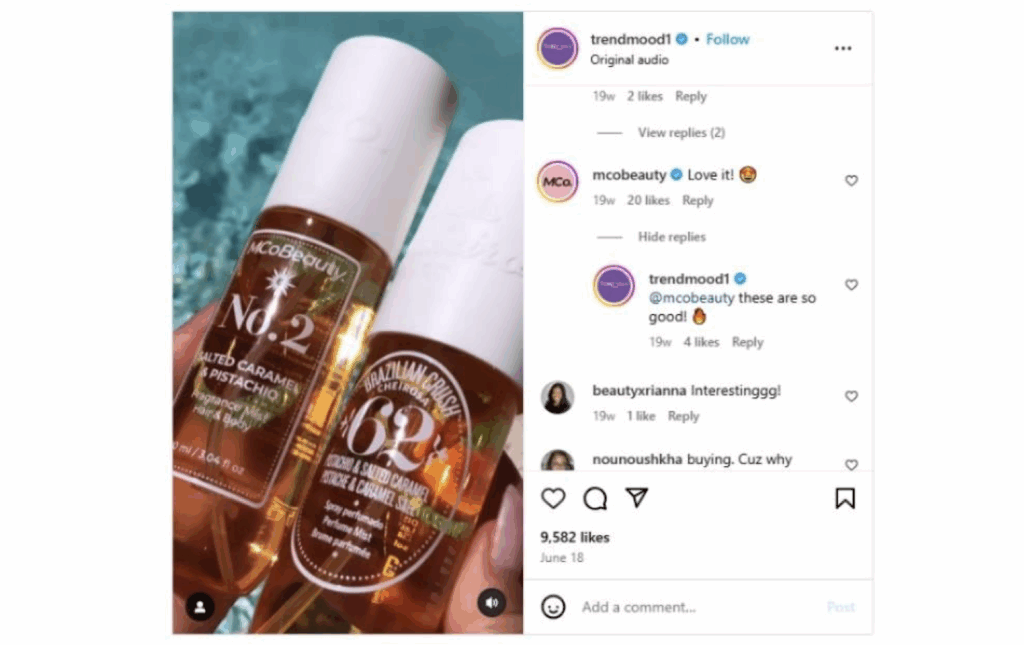
Third, false advertising enables brands to reach beyond traditional marketers to influencer ecosystems. FTC endorsement guidelines place responsibility on brands for claims advanced by paid creators and even for consumer reviews hosted on company platforms that they curate or amplify. This exposes dupe sellers to liability for a potentially wider range of marketing claims, materially strengthening plaintiffs’ enforcement leverage. Instead of proving confusion, plaintiffs can use influencer statements, such as “this lasts longer” or “this smells exactly the same,” as evidence of false claims designed to mislead consumers.
A Recalibrated Legal Playbook
The strategic responses of brands reflect these forces. Some plaintiffs appear to be skipping trade dress claims altogether and proceeding solely under false advertising theories, as Williams-Sonoma has done. Others are layering false advertising claims atop trade dress allegations, using deception theories to bolster IP rights-based claims that may face vulnerability on distinctiveness grounds, as seen in Sol de Janeiro’s approach.
Ultimately, this recalibration reflects the growing nuances at play in the dupe market. The greatest competitive harm rarely flows from whether consumers think a product came from the same company; it flows from claims that a cheaper product offers the same experience, ingredients, durability, prestige, or craftsmanship, which could tarnish brand equity and erode the premium pricing power of established brands.
False advertising claims target that economic injury directly, without entangling plaintiffs in technical debates over distinctiveness or product functionality, thereby aligning legal enforcement with the economic realities of modern dupe marketing.
Share