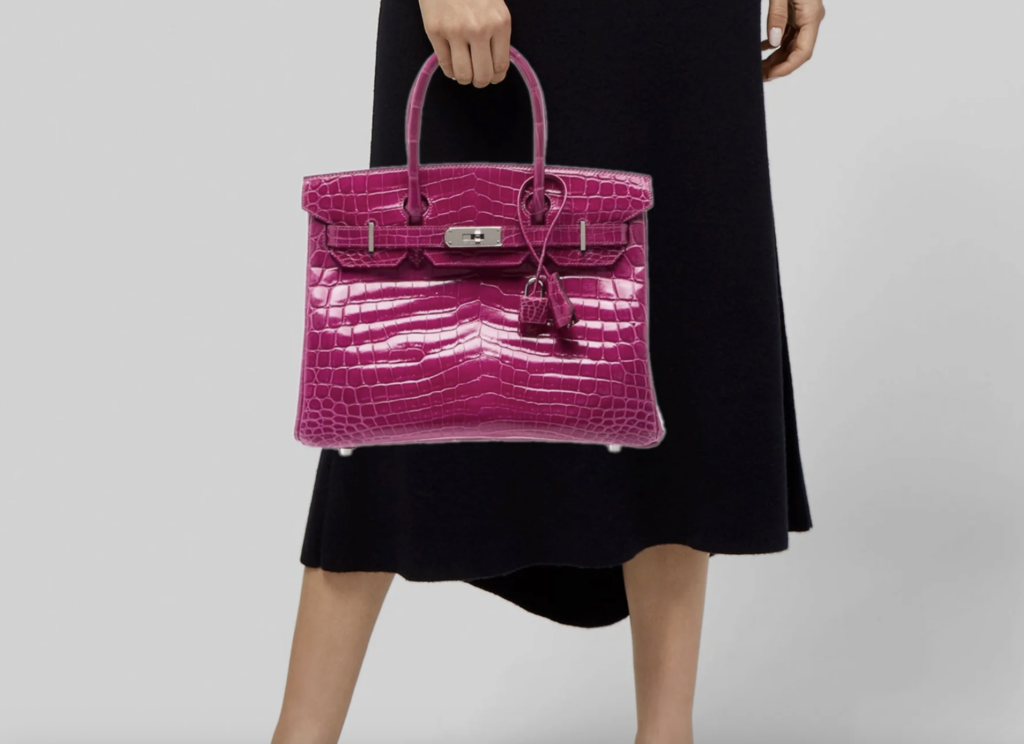


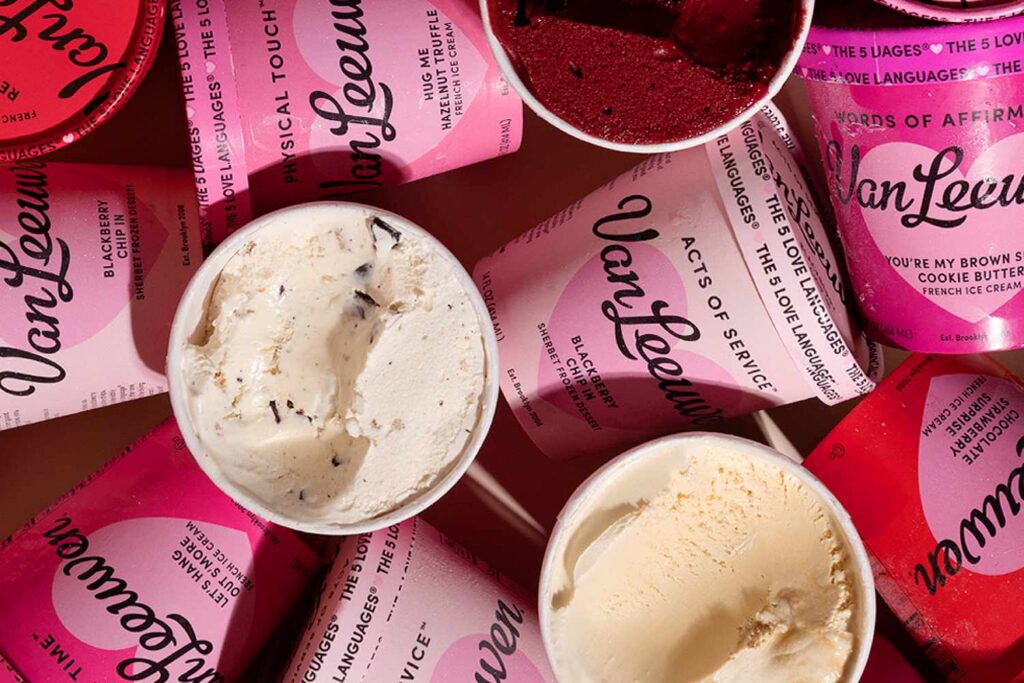
A recurring color palette, distinctive lettering, consistent package shapes, and the same basic layout used across different products. Individually, these features may not belong to any single company – but when combined and deployed across a product line, they may create a visual system that not only indicates source to consumers but becomes part of the product’s appeal in its own right.
Modern brands commonly think about identity as an ecosystem of cues, including product packaging. Across various consumer categories, packaging can become part of the product itself – part of what makes one potentially-interchangable-item more desirable than another and part of the broader product experience. As packaging takes on greater commercial value, companies have a stronger incentive to claim rights in combinations of features that carry across products.
A growing number of trade dress disputes reflect that effort, with companies claiming rights not just in individual product designs but in combinations of design elements that play out across products even as colors, flavors, formulas, and other features change. Van Leeuwen’s recent win against Rebel Creamery provides a key example. In its suit against Rebel, Van Leeuwen claimed rights in a combination of monochromatic packaging and matching lids, primarily pastel colors, black script lettering, and an overall minimalist design. While the color changed from flavor to flavor, the company maintained that the broader packaging format remained consistent.
In July, a federal judge in New York found that Rebel infringed that trade dress and ordered it to disgorge $23.785 million in profits. Rebel has appealed.
When the Collection Becomes the Mark
The breadth of Van Leeuwen’s claim has drawn scrutiny. UCLA law professor Mark McKenna, for one, told The New York Times that the case was unusual because the trade dress rights asserted by Van Leeuwen covered an entire line of packaging rather than one product. “You wonder, does that mean no one else gets to use pastel colors for ice cream at all?” McKenna said.
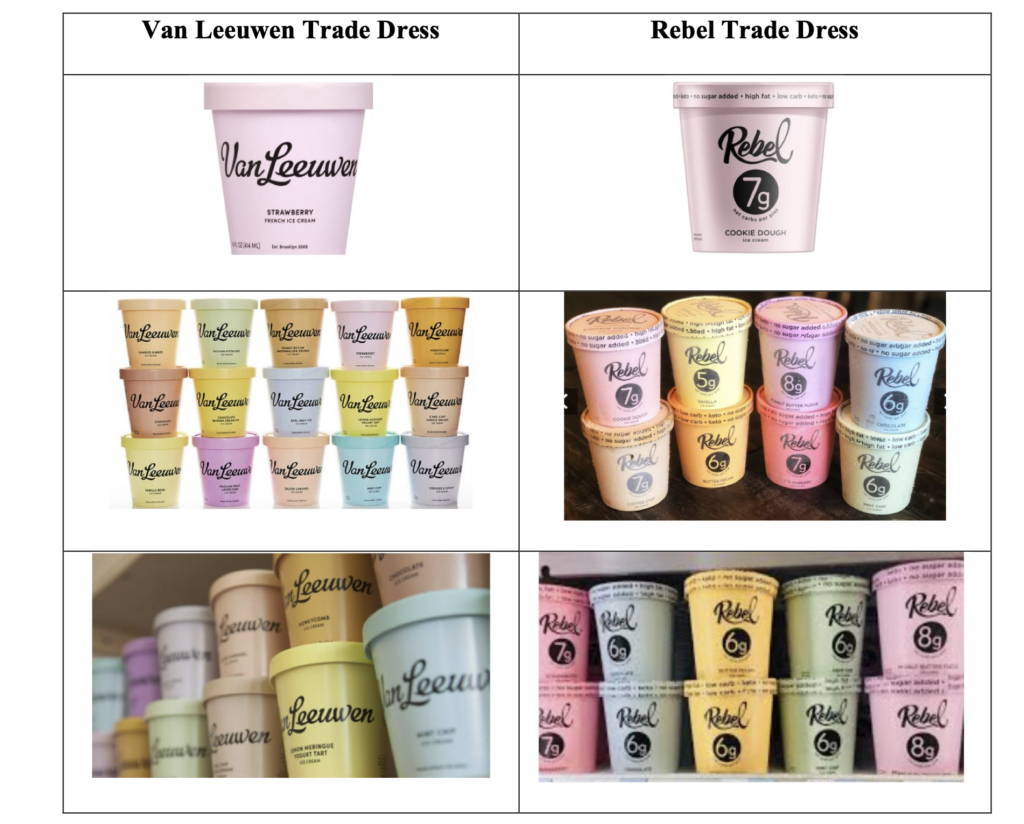
Van Leeuwen does not own pastel colors, script lettering, or minimalist packaging individually. Its case turned on the combination and Judge Eric Komitee found that Van Leeuwen maintained a sufficiently consistent overall look across its line and that the features – when viewed together – created a protectable commercial impression. Competitors remain free to use the underlying elements in other combinations, leaving courts to distinguish between a source-identifying combination and an aesthetic common to the category.
Other cases show where those rights can become harder to establish. In a 2023 lawsuit against Revitalyte, for instance, Abbott Laboratories sought to protect trade dress covering Pedialyte packaging across multiple products, but the U.S. District Court for the District of Minnesota concluded that the claimed trade dress lacked sufficient distinctiveness. The outcome suggests that recognition of a brand does not necessarily establish that its broader packaging system is itself protectable.
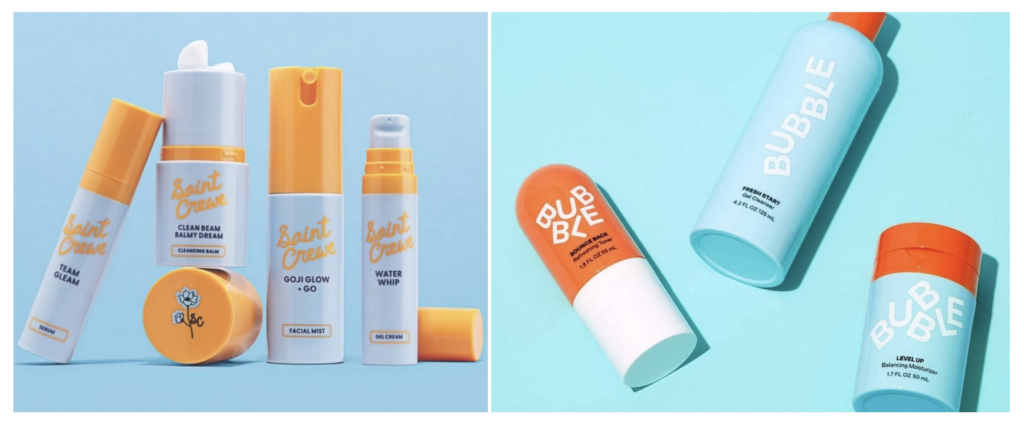
The same question is playing out in beauty, where packaging is central to brand recognition and many design elements are widely used across the category. In an ongoing dispute between Saint Crewe and Bubble Beauty, Saint Crewe filed suit in May challenging Bubble’s claimed rights in its packaging, and Bubble followed with its own trade dress infringement suit in June. Bubble claims rights in packaging that includes brightly colored containers, contrasting caps, rounded shapes, and pared-back branding. Saint Crewe argues that Bubble’s packaging varies too much across products to constitute a consistent trade dress and that many of the claimed features are already common in skincare.
THE STRATEGY: For brands looking to protect a visual system that plays out across a product line, consistency can have significant legal value. Counsel should work with design and marketing teams early on in the design process to identify the recurring packaging features the brand intends to carry across its product line and encourage their consistent use across products and channels, while leaving room for innovation.
And just as important as consistent use is how the trade dress is defined. Counsel should develop a clear articulation of the claimed combination and ensure that it remains consistent with the brand’s actual use and across trademark applications, enforcement efforts, and litigation.
That approach should extend to how the brand is marketed and how evidence is preserved. If a company expects to argue that a particular combination of features serves to indicate source, its marketing should reinforce those features, and counsel should build a record of how the claimed packaging features have been used and promoted over time.
For defense counsel, that history can provide a useful line of attack. Comparing the plaintiff’s current articulation of its trade dress against earlier trademark applications, enforcement efforts, marketing, and actual product offerings may reveal inconsistencies in what the brand has claimed and what it has actually used.
Share