

A fragrance bottle that looks good on a shelf. A colorful ice cream container that consumers gravitate towards before reading the label. In an era of social media-driven consumption, packaging can boost a product’s appeal through its appearance, even when that appearance also identifies the company behind it. For brands seeking trade dress protection, that dual function presents a question: What happens when the same packaging features both identify a brand and appeal to consumers for reasons unrelated to that brand?
When Aesthetics Become Functional
Trademark law places limits on how far brands can go in claiming exclusive rights in those designs. To prevent trademark rights from unduly restricting competition, the doctrine of aesthetic functionality can preclude protection for design features whose exclusive use would place competitors at a significant disadvantage unrelated to the trademark owner’s reputation.
That limitation is well established in U.S. trademark law. In Qualitex Co. v. Jacobson Products Co., for instance, the Supreme Court recognized that color can function as a trademark, subject to the functionality doctrine. In TrafFix Devices v. Marketing Displays, the Court distinguished the competitive-disadvantage considerations associated with aesthetic functionality from practical functionality, which can bar trademark protection regardless of the availability of alternative designs.
In 2012, the Second Circuit addressed aesthetic functionality in Christian Louboutin v. Yves Saint Laurent, rejecting the lower court’s conclusion that a single color could never qualify for trademark protection in the fashion industry on functionality grounds. The appeals court ultimately limited Louboutin’s red-sole trademark to uses in which the red outsole contrasts with the shoe’s upper. The court limited the mark based on the scope of its acquired secondary meaning, without deciding whether the modified mark was functional.
The Packaging Paradox
Sol de Janeiro’s ongoing dispute with MCoBeauty presents a more recent example. After a court dismissed its trade dress infringement claim for insufficiently pleading nonfunctionality, Sol de Janeiro filed a second amended complaint alleging, among other things, that consumers value the appearance of its Cheirosa fragrance bottles, citing their practice of arranging the bottles on shelves to create visually appealing displays.
Consumers may value the Cheirosa bottles for their aesthetic appeal, their association with Sol de Janeiro, or both. Those functions can coexist in the same packaging design. Even where consumers appreciate a design independently of its source, however, that appeal does not necessarily make the claimed trade dress aesthetically functional. The question is whether granting exclusive rights would place competitors at a significant disadvantage unrelated to Sol de Janeiro’s reputation, taking into account the availability of reasonably adequate alternative designs.
When Competitors Have Alternatives
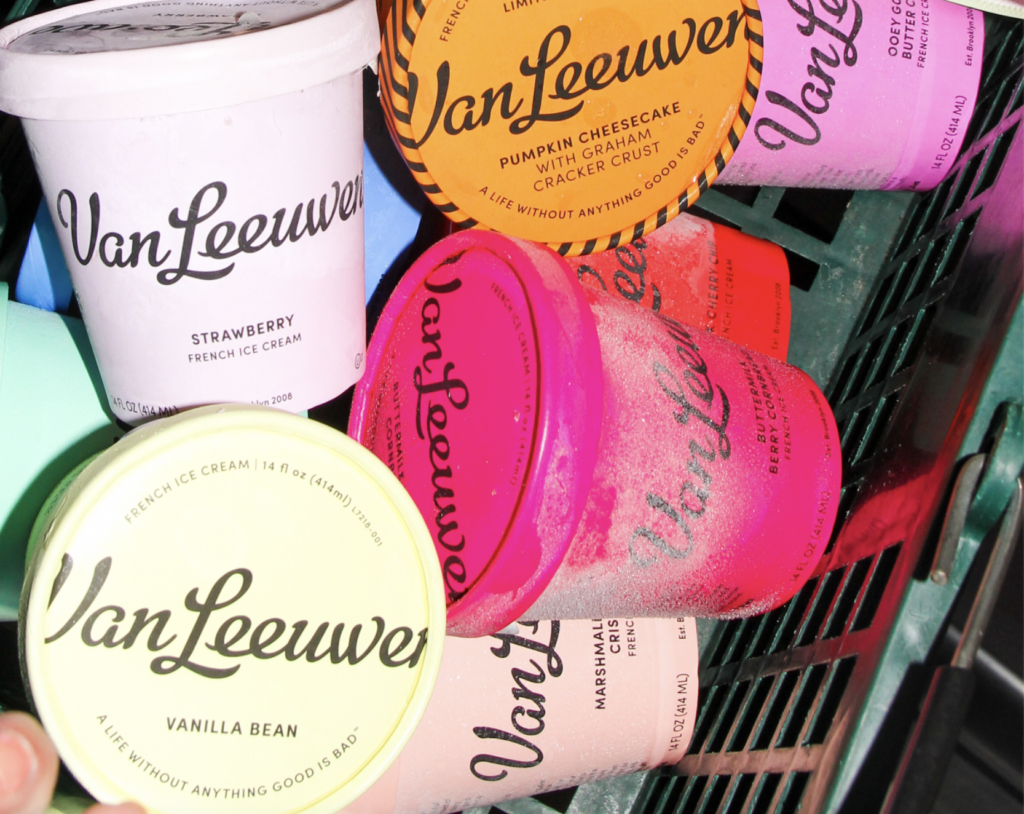
The limits of aesthetic functionality were at issue in a recent dispute involving Van Leeuwen’s ice cream packaging. In July 2026, the Eastern District of New York ruled in favor of Van Leeuwen, finding that the consistent overall appearance of its packaging across 37 classic dairy flavors qualified for trade dress protection, despite variations in color. Siding with Van Leeuwen, the court rejected Rebel Creamery’s functionality arguments, finding that competitors could identify their brands without adopting minimalist packaging and communicate flavors without using pastel colors.
The district court’s ruling – which is currently on appeal, with proceedings stayed in connection with Rebel’s bankruptcy filing – illustrates how packaging can combine source-identifying features with aesthetic appeal without necessarily being deemed functional. The availability of reasonably adequate alternative designs was central to the court’s analysis.
THE STRATEGY: For brands seeking trade dress protection, aesthetic appeal and source identification can coexist. Counsel should define the claimed packaging features precisely, develop evidence of source identification, and consider how the brand’s own descriptions of its design may bear on functionality. For defendants, evidence that consumers find packaging attractive is insufficient on its own. A stronger aesthetic functionality argument addresses whether exclusive rights would significantly disadvantage competitors for reasons unrelated to the brand’s reputation.
Share